Health and safety in the workplace are fundamental to the operations of a business of any size. Protecting clients, visitors, employees, and contractors from accidents and ill health must be a top priority.
Not only will an unfortunate incident or case of work-related ill-health cause harm to the individuals affected, but it will also damage your reputation, destroy staff morale and potentially come with crippling levels of direct and indirect costs.
Whilst it is vital to ensure risk control measures are in place and being implemented when the worst happens, people are quick to shift the blame to someone else.
So, at the end of the day, who is responsible for health and safety in the workplace? And what duties do your employees have?
Across the UK, health and safety law sets out legal responsibilities. In Great Britain, the main legislation is the Health and Safety at Work etc. Act 1974; in Northern Ireland, the equivalent primary legislation is the Health and Safety at Work (Northern Ireland) Order 1978.
These responsibilities cover employees and others who may be affected by the organisation’s work activities, including contractors, visitors, customers and members of the public. They also involve measures to protect both physical and mental health.
In Great Britain, the foundation of the legal framework is the Health and Safety at Work etc. Act 1974.
These legal duties apply to all:
- employers
- employees
- certain self-employed people
- designers, manufacturers, importers and suppliers of articles or
- substances for use at work
Let’s take a look at what each of these involves.
Organisations must manage the risks that are created as a result of their work. This means ensuring the health and safety of your organisation at work is not an optional activity.
It is mandated by criminal law and any employer who fails to comply is exposed to very significant legal risks. Both at an organisational and individual level. These include:
All organisations need a clear health and safety policy, a well-defined, legally-compliant, live management system for managing health and safety. If you have five or more employees in an organisation, you need to put your health and safety policy in writing.
Employers must undertake risk assessments; a process of Identifying dangers, and Putting in place suitable safety precautions. These safety precautions will always involve the requirement that workers follow what are known as safe systems of work – If you like, the actions that must be taken to stay safe.
The instructions for these safety measures are communicated in documents known as method statements, which are simply a set of instructions for any particular job or task
Employers have a duty to consult with employees, or employee representatives on any issues that affect their health and safety. Involving employees in the process will increase productivity, improve efficiency, support implementation, and boost motivation.
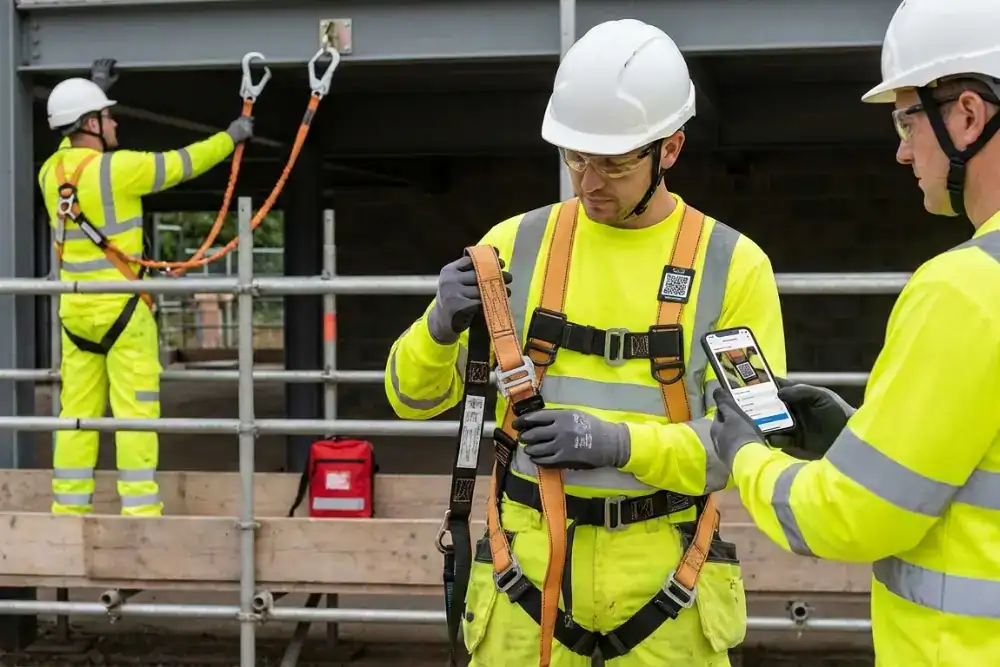
It’s the legal duty of employers to provide safe equipment that allows their workers to do their jobs in a safe and healthy way, this includes personal protective equipment, first aid kits as well as anything required to do the job. This must be offered free of charge.
Employers are required by law to provide whatever information, instruction, training, and supervision that is necessary to ensure everybody can work safely. This means giving staff the knowledge to understand the risks they face, and what they need to do to stay safe. This may be in the form of health and safety online training, or whichever method suits your organisation’s situation.
Employers must also ensure appropriate levels of competency, skills, and knowledge of any contractors that are hired for projects, as well as provide them with the necessary information to conduct their work safely.
While employers have many responsibilities to protect their workers, this responsibility is not their’s alone. Workers also have a duty to protect themselves, and responsibility for their own actions.
Whilst they do not have as many responsibilities, the role of workers is equally vital. Without employee involvement, it would be impossible to effectively implement a health and safety policy.
Employees must be on board with all of the health and safety arrangements you have in place, applying it as needed. The legal duty on employees requires that they:
Employees must follow the health and safety classroom training or online health and safety training that they have been provided. This will include specific risks and hazards that are relevant to their own workplace and the jobs they do, and the controls and safe use of equipment to work in a healthy and safe way.
Employees must take reasonable care of themselves and others. This means they must not take any unnecessary risks, whilst working, including risks to themselves or anybody else that may be affected by the work that they are doing.
As employees are the ones doing the job, and implementing the safety measures, at the sharp end, they are best positioned to spot problems and hazards, as they happen. If they do identify any safety issues, it is their duty to stop work, and report it right away.
Accidents and near misses are vital information that your organisation can use to prevent future, perhaps devastating, accidents from happening in the future. It is vital that employees report all such events that occur, using the correct procedures.
Contractors have all of the employer duties we’ve just reviewed. They also have the universal employee duties we’ve introduced
However, there are some additional legal duties that contractors must follow, these are:
Contractors must cooperate and coordinate with their clients in order to ensure high standards of health and safety. This can include providing the client with evidence that their employees are competent, such as training records
Necessary health and safety information such as copies of method statements must be provided.
Contractors must help to assess risks on the client’s site to ensure suitable safety controls are in place.
Health and safety is a partnership, with both the client and contractor sharing these common duties.