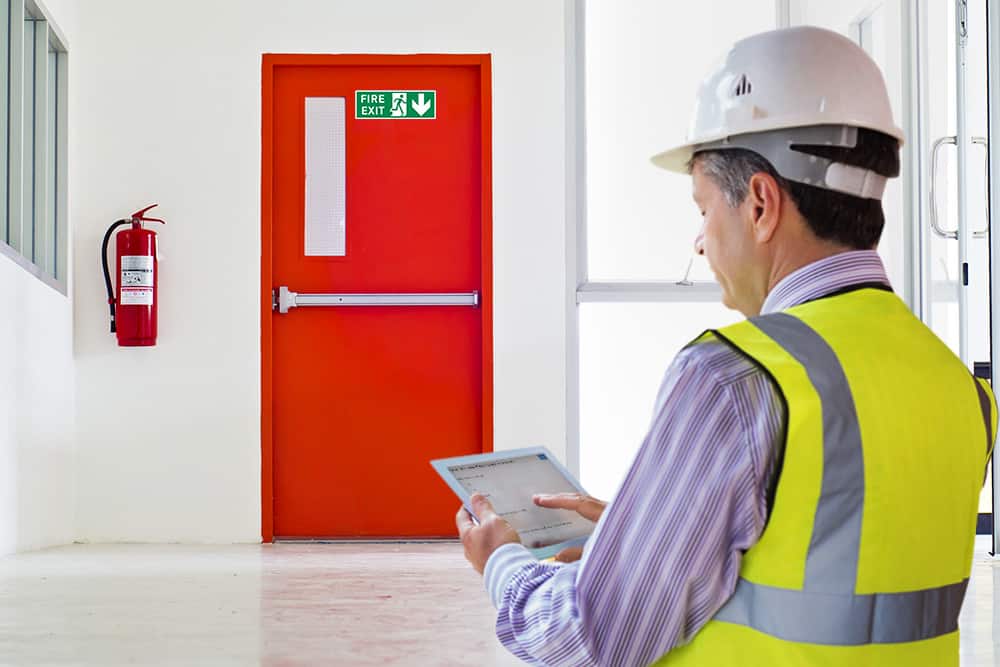
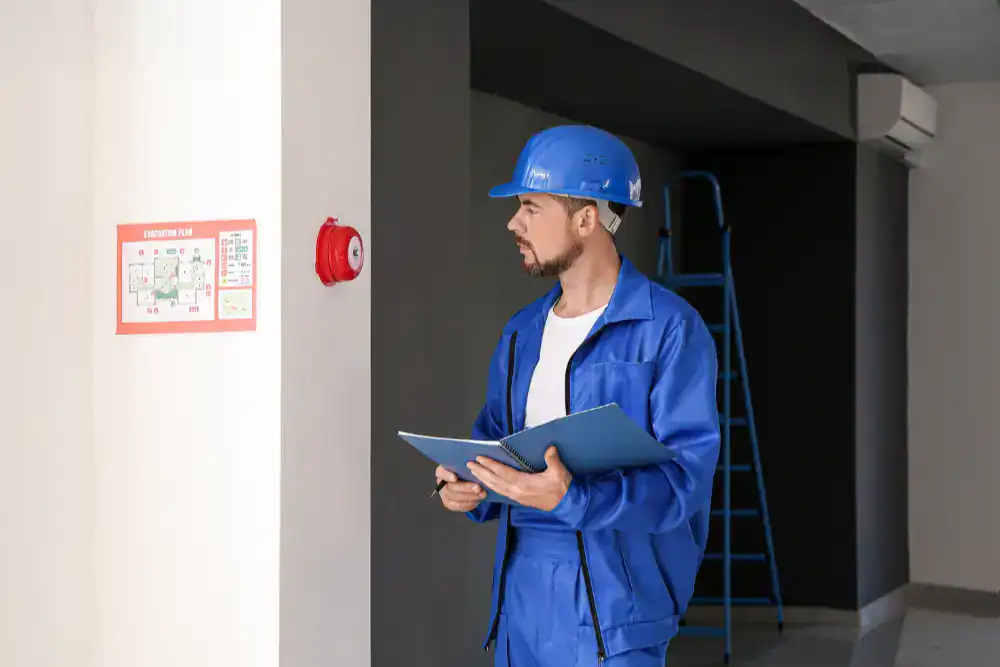
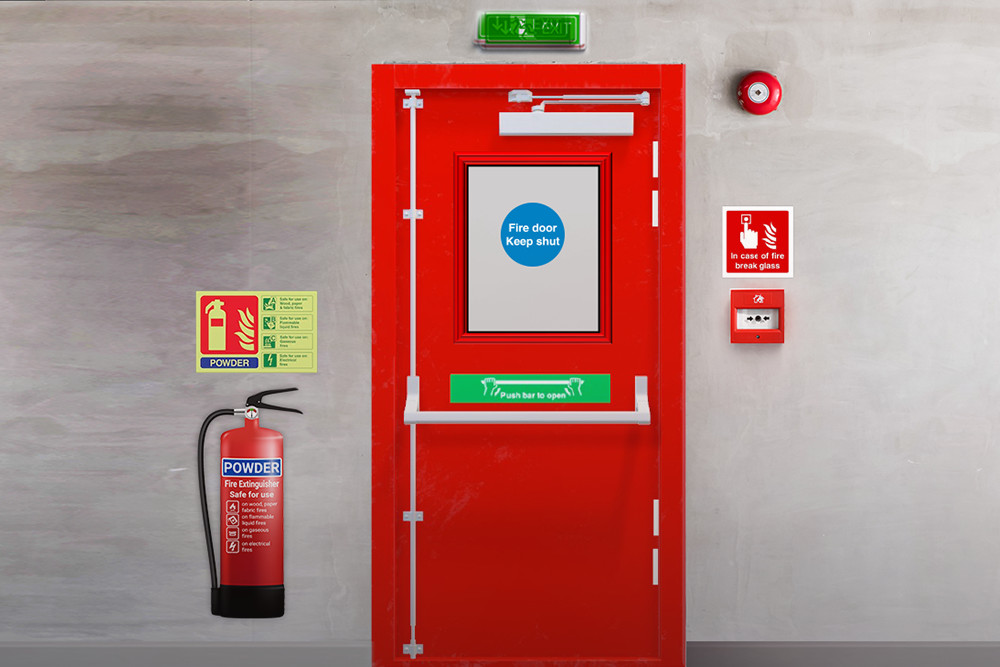
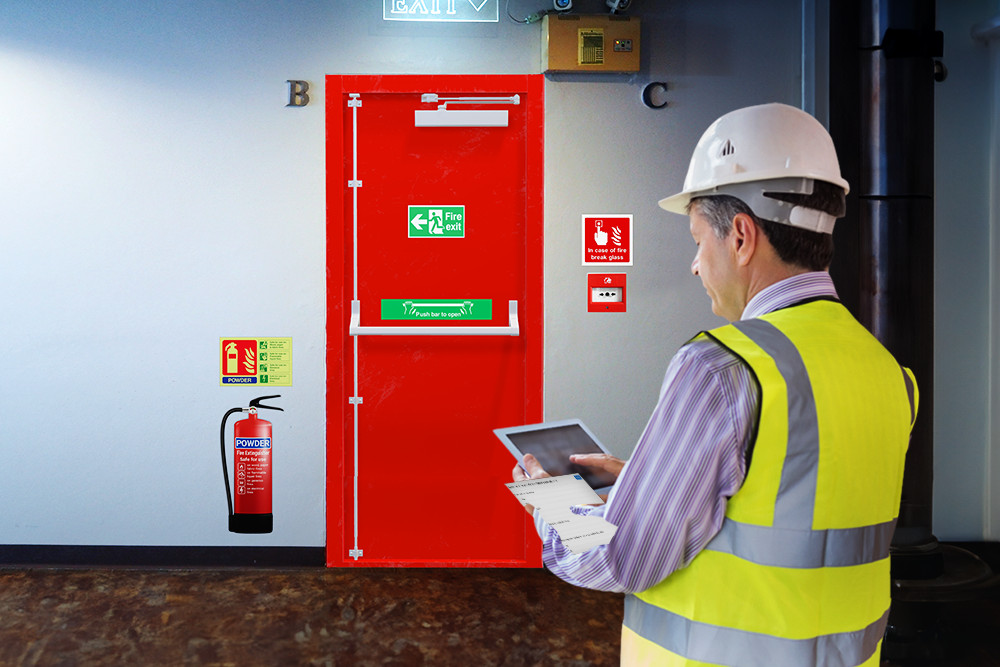
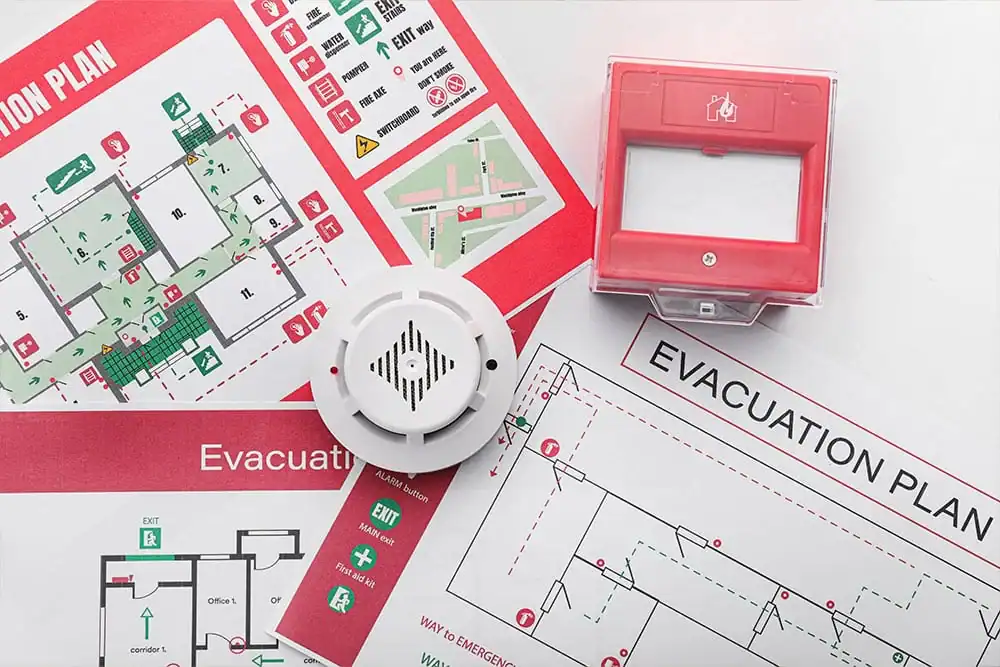
Fire doors are a critical part of a building’s passive fire protection. When maintained correctly, they hold back fire and smoke, keep escape routes usable and give people time to get out. When they fail, that protection is lost at the moment it matters most.
Having fire doors in place is not enough on its own. A fire door only performs if every part — the leaf, frame, seals, hinges, gaps and self-closing device — is correct, undamaged and fitted as tested. Most faults are not obvious. They build up quietly through wear and tear, poor maintenance, unapproved alterations, and doors being wedged or propped open.
The scale of the problem is well documented. Fire Door Inspection Scheme data from 2025 found that 72% of the fire doors its inspectors checked did not meet the required standard — with excessive gaps, faulty smoke seals and poor maintenance among the most common reasons, and most failures needing only minor repairs. These are exactly the faults a competent inspection is meant to catch.
Competence is central to this. A training certificate alone does not make someone competent — it takes knowledge, experience and the ability to apply both. Inspections carried out without that understanding routinely miss the faults that stop a fire door working when it is needed.
Are You Aware of Your Responsibilities?
If you own, manage or control a building, several overlapping laws place fire door duties on you. The most important are:
The Regulatory Reform (Fire Safety) Order 2005 — the main fire safety law for non-domestic premises and the communal parts of residential buildings. The responsible person must ensure fire doors and their fittings are kept in efficient working order and good repair, supported by suitable maintenance arrangements and competent assistance where required. They should also keep records showing how fire safety is managed.
The Fire Safety Act 2021 — clarified that the Fire Safety Order applies to a building’s structure, its external walls, and individual flat entrance doors between domestic premises and the common parts. In practice, this confirmed that flat entrance fire doors must be considered in the building’s fire risk assessment.
The Fire Safety (England) Regulations 2022 — place additional duties on responsible persons for multi-occupied residential buildings. In buildings over 11 metres in height, Regulation 10 requires quarterly checks of communal fire doors and annual best-endeavours checks of flat entrance doors. In all such buildings, residents must be given information on the importance of fire doors.
The Building Safety Act 2022 — strengthened the Fire Safety Order through Section 156. Responsible persons must now record their fire risk assessment and fire safety arrangements in full — whatever the size of the building — record who carried out the assessment, and cooperate with others who share fire safety duties. It also raised the maximum fine for several offences to an unlimited amount and increased the focus on demonstrable competence across the sector.
How This Training Helps Your Organisation
This online fire door inspection training course gives the people who carry out or oversee fire door checks a shared, practical understanding of what to look for and why it matters. It helps organisations:
- Improve staff understanding of how fire doors fail and which faults to look for
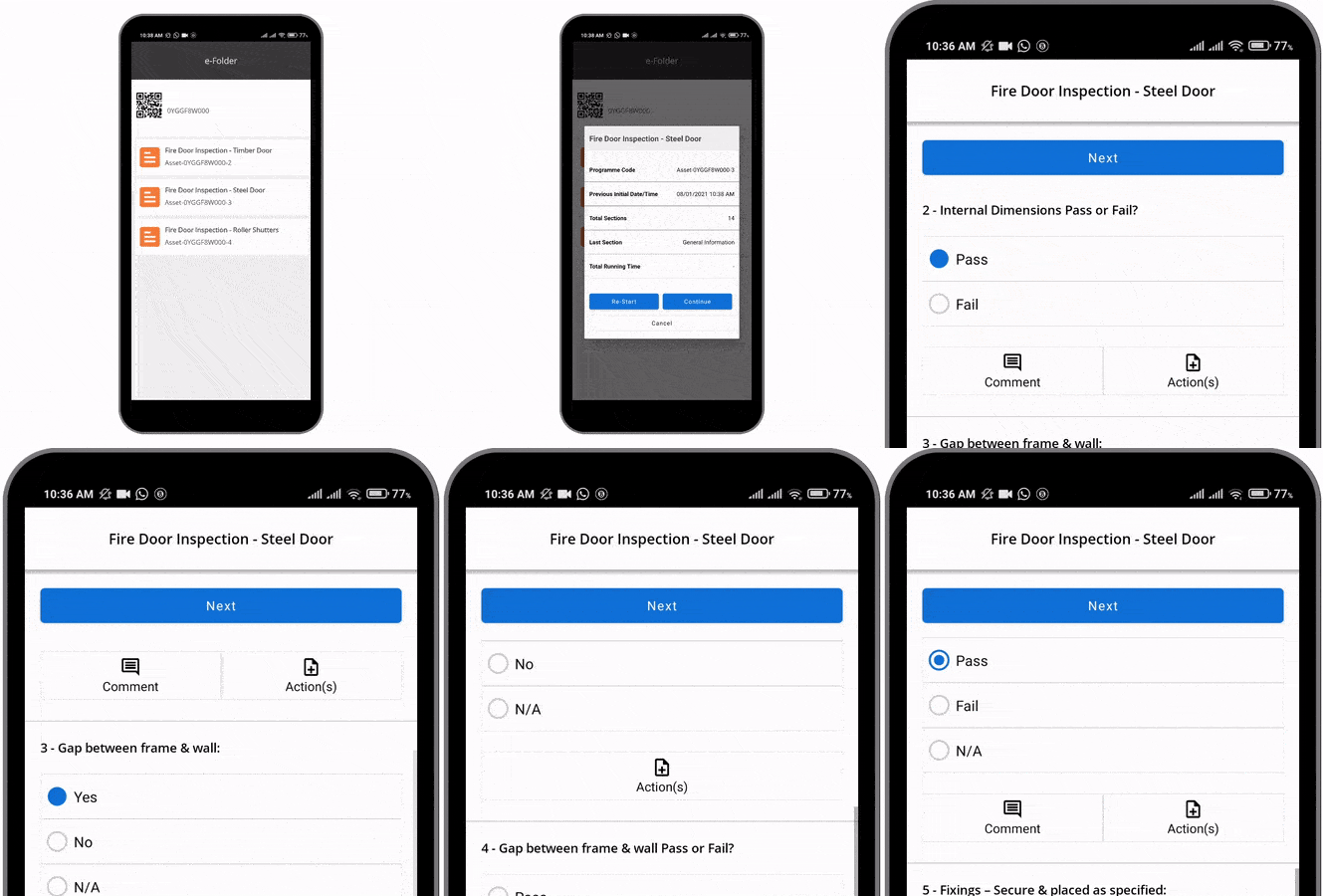
- Strengthen the consistency and quality of fire door checks across buildings and teams
- Support compliance with the Fire Safety Order, the Fire Safety (England) Regulations 2022, the Fire Safety Act 2021 and the Building Safety Act 2022
- Build and evidence the underpinning knowledge that competence requires
- Reduce the risk of undetected faults — and the enforcement exposure that comes with them