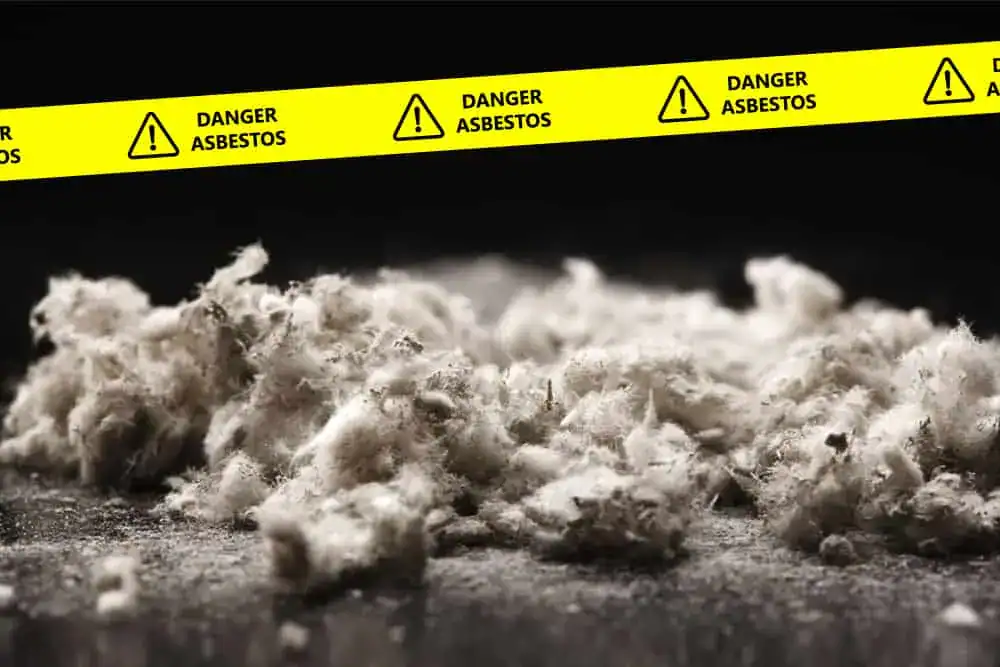
Asbestos is still the UK’s biggest workplace health risk. Around 20 tradespeople die every week as a result of past exposure, adding up to approximately 5,000 deaths every year.
The risk has not disappeared. Any building built or refurbished before 2000 can still contain asbestos-containing materials, commonly known as ACMs. These materials can contain chrysotile, amosite or crocidolite asbestos and may be found in pipe lagging, insulation boards, floor tiles, textured coatings, cement sheets, ceiling tiles and other building materials.
When ACMs are disturbed or damaged, microscopic asbestos fibres can be released into the air. If inhaled, these fibres can cause serious and often fatal diseases, including mesothelioma, asbestosis, asbestos-related lung cancer and pleural thickening. These conditions usually take many years to develop, which means the consequences of exposure are often not seen until much later.
In practice, asbestos exposure incidents are rarely caused by deliberate decisions. They happen when workers do not recognise where asbestos may be present, cannot access the right information before starting work or are unsure how to respond when they suspect ACMs have been disturbed. Common examples include:
- Drilling or cutting into textured coatings, ceiling tiles or pipe lagging without checking what the material is
- Assuming a building is asbestos-free because it looks modern or has been recently refurbished
- Continuing work after spotting damaged or deteriorating materials
- Not knowing what to do following accidental disturbance or suspected exposure
- Starting maintenance, refurbishment or installation work without checking whether asbestos information is available for the premises
The Legal Framework: What Employers Are Required to Do
Regulation 10 of the Control of Asbestos Regulations 2012 requires employers to provide suitable information, instruction and training to employees who are liable to be exposed to asbestos during their work or who supervise those employees.
This duty applies across a wide range of roles. It is relevant to anyone whose work could disturb the fabric of buildings or plants where ACMs may be present.
An asbestos awareness course covers workers who may encounter asbestos but are not expected to work directly on ACMs. It does not qualify anyone to carry out work with asbestos. Workers who will intentionally disturb ACMs require further job-specific training, depending on whether the work is non-licensed, notifiable non-licensed or licensed asbestos work.
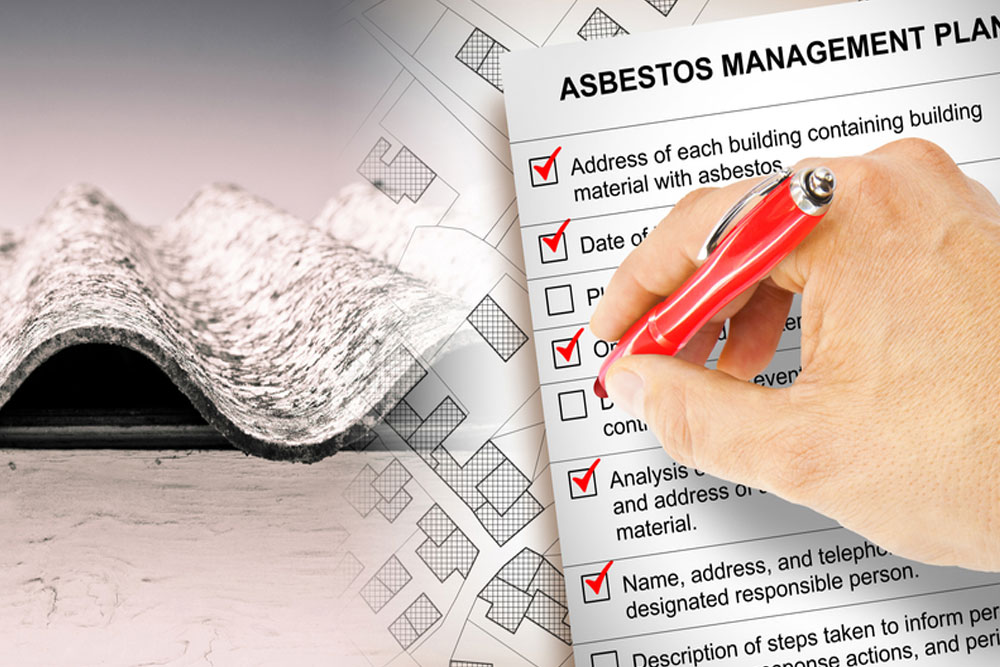
Regulation 4 of the Control of Asbestos Regulations 2012 places a separate duty on those responsible for managing asbestos in buildings. This duty applies to all non-domestic premises and the common parts of multi-occupancy domestic premises. Dutyholders must identify whether ACMs are present, assess their condition, maintain an asbestos register, prepare and implement an asbestos management plan, monitor ACMs and provide information to anyone who may disturb them.
The Approved Code of Practice L143, Managing and Working with Asbestos, explains how dutyholders and employers can demonstrate compliance with the Control of Asbestos Regulations 2012 in practice. ACoP L143 explains practical ways to comply with CAR 2012 and is used by HSE as a key benchmark when assessing asbestos management and training arrangements.
On construction projects, the Construction (Design and Management) Regulations 2015 require principal designers and principal contractors to identify and address asbestos risks during the pre-construction phase. Asbestos information must be included in the pre-construction health and safety information passed to contractors before work begins, rather than discovered after it starts.
About the Course
Human Focus’ UKATA Asbestos Awareness Training is approved by the UK Asbestos Training Association. UKATA sets recognised standards for asbestos training, and its asbestos awareness syllabus is designed for employees whose work could foreseeably bring them into contact with asbestos.
The course is delivered fully online, allowing learners to complete training at their own pace from a desktop, tablet or mobile device. It includes online assessment and provides a same-day digital certificate after successful completion.
How UKATA Asbestos Awareness Helps Your Organisation
This online asbestos awareness training course helps organisations:
- Provide the asbestos awareness element of required information, instruction and training under Regulation 10 of the Control of Asbestos Regulations 2012.
- Give workers a shared understanding of asbestos risks, likely ACM locations and safe response procedures before they start work.
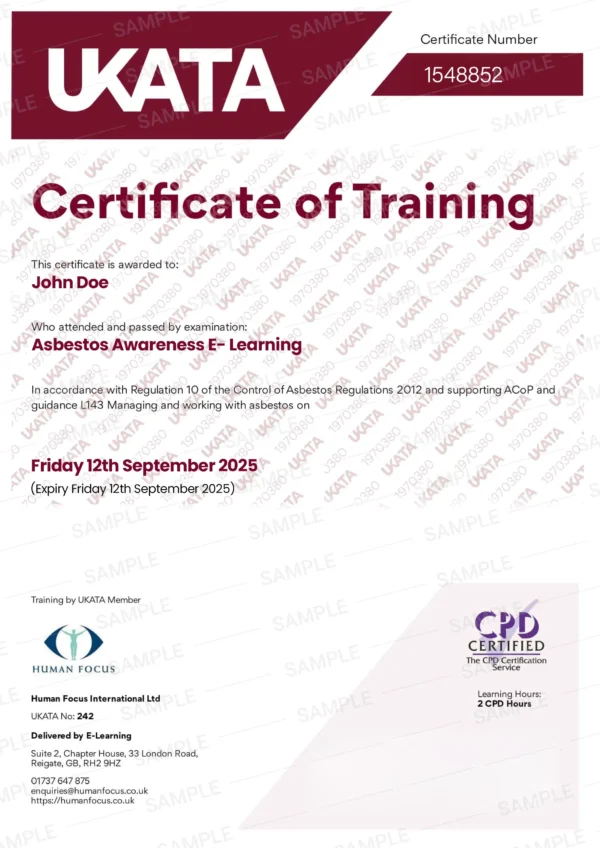
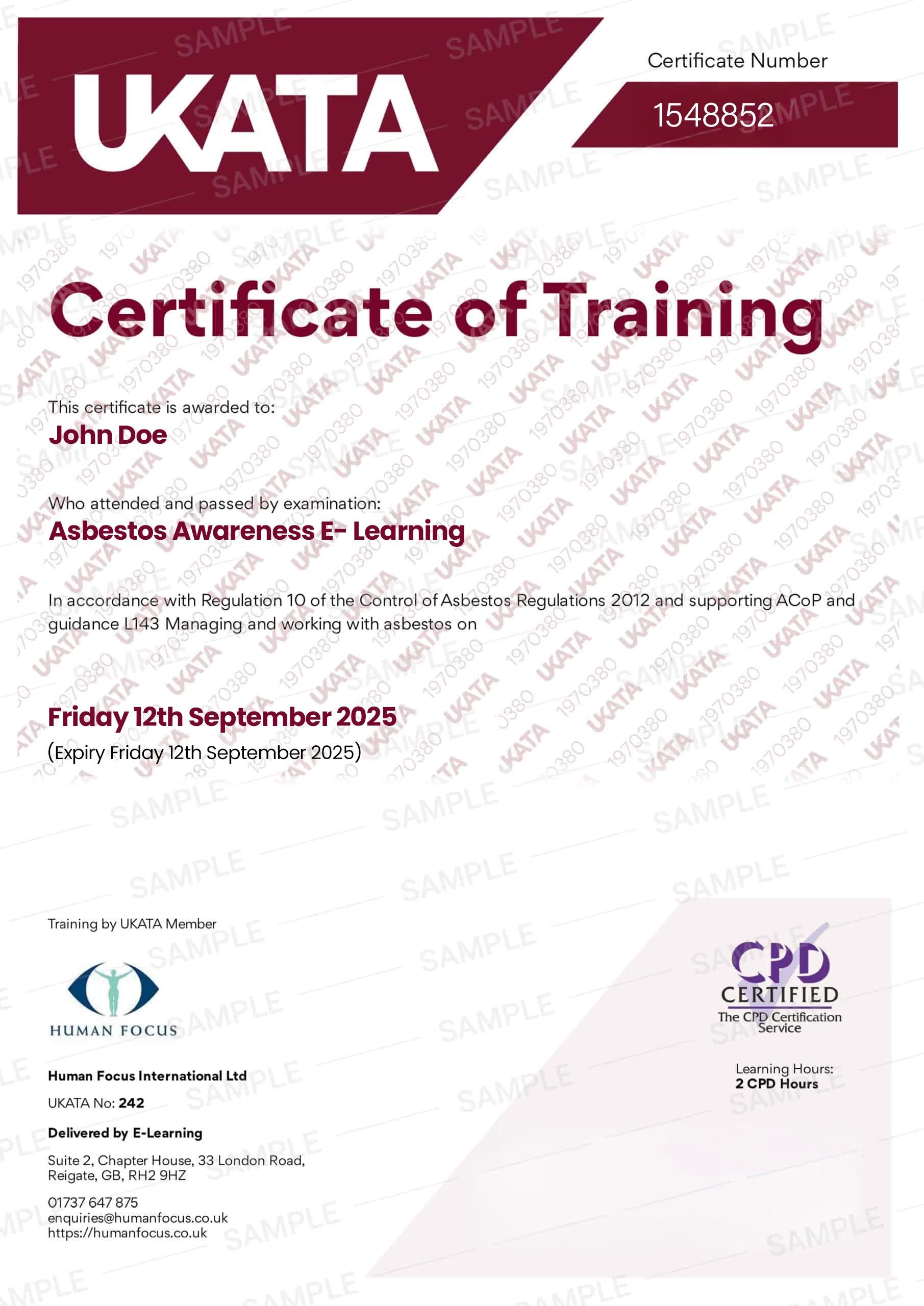
- Maintain documented evidence of completed training that can be produced for site access checks, procurement vetting and asbestos awareness certificate requests.
- Keep training records organised for audits, HSE inspections and internal compliance reviews.
- Support asbestos awareness refresher training planning based on certificate expiry dates, training needs and client or site requirements.
A certificate provides evidence that a learner has completed training, but it is not proof of overall competence by itself. Competence depends on the person’s role, experience, supervision, task instructions and the controls in place for the work being carried out.