14 Allergens: A Guide for Food Workers

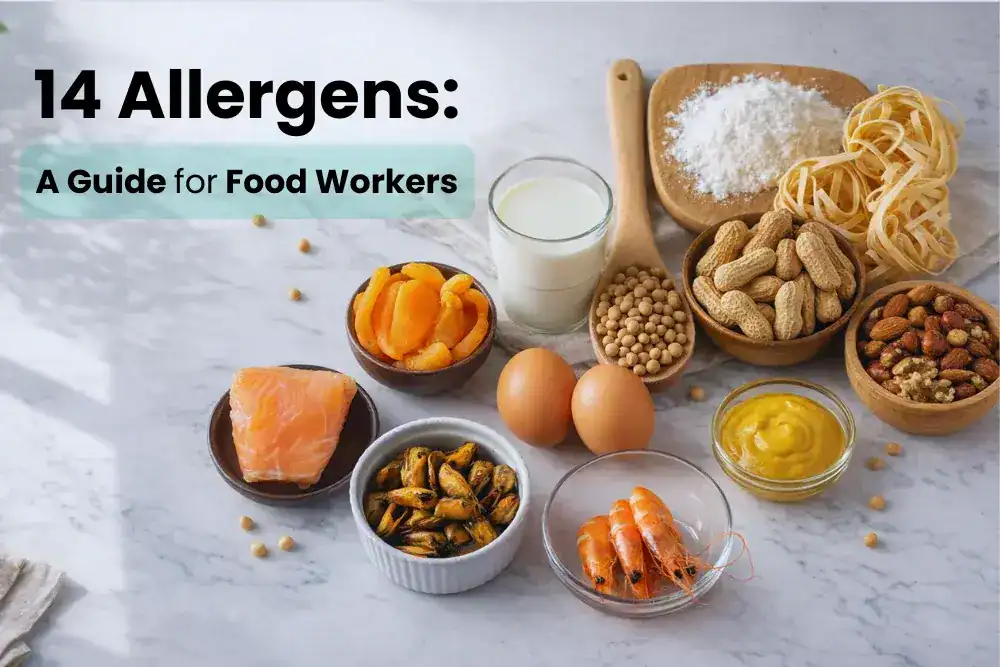
14 Allergens

Food allergies can cause reactions ranging from mild symptoms to life-threatening anaphylaxis. In the UK, food businesses are legally required to provide clear information whenever any of the 14 named allergens are present in food or drink.

This means food workers must recognise these 14 allergens and where they appear in the dishes they serve.

This guide explains what the 14 food allergens are, where they are commonly found and how workers can manage them to keep customers safe.


Key Takeaways

  • The 14 allergens are: celery, cereals containing gluten (such as wheat, barley, rye, oats), crustaceans, eggs, fish, lupin, milk, molluscs, mustard, peanuts, sesame, soya, sulphur dioxide/sulphites and tree nuts.
  • These allergens can appear in obvious forms (like prawns, bread or milk) but are often hidden in sauces, coatings, flavourings, spice mixes or processed foods.
  • Cross-contact is a major risk in shared kitchens, restaurants and bakeries handling multiple allergens.

Food Allergen Training

Meet training standards and help ensure your food is safe for customers with allergies. Suitable for all food workers, this CPD-certified course explains how to manage cross-contact risks when handling, preparing and storing food, plus how to prevent accidental exposure when serving.

£25.00 +VAT

What Are the 14 Food Allergens?

The 14 “major” allergens are a group of ingredients found to be responsible for the majority of severe allergic reactions.

Each has been linked to a high rate of reported allergic reactions and a significant risk of anaphylaxis (a severe allergic reaction that happens very quickly and can be life-threatening).

Importantly, these ingredients also appear across a wide range of products, increasing the likelihood of accidental exposure or cross-contact (when allergen-free food picks up allergens after coming into contact with other foods, equipment, or surfaces). Cross-contact is a major risk – even a trace of allergens can make food unsafe to eat for sensitive individuals.

To help you recognise and manage them, we’ve listed the 14 allergens below, with examples of where they are most often found.

1. Celery

Celery is widely used as a base ingredient and often hidden in recipes. It became mandatory to declare it on food labels in 2014.

Where it is found: Soups, stews, stocks, sauces, spice mixes, salads, condiments, smoothies, ready meals, celeriac and celery salt.

What to watch for: Celery can still trigger reactions even when dried or cooked. Always check labels carefully, especially with spice mixes, bouillons and prepared foods.

Celery
Cereals Containing Gluten

2. Cereals Containing Gluten

Cereals that contain gluten, including wheat, barley, rye and oats, are widely used in everyday foods and are among the most difficult allergens to manage safely.

Where it is found: Bread, pasta, breakfast cereals, cakes, biscuits, soups, sauces, gravies, batters, coatings and processed meats.

What to watch for: Cereals containing gluten are often used as thickeners or fillers, so they may not always be easy to spot. Always check ingredient labels carefully.

3. Eggs

Reactions to egg are usually caused by proteins in the white, though the yolk can also trigger symptoms. Some people outgrow egg allergy in childhood, while for others it can persist into later life.

Where it is found: Cakes, pastries, biscuits, sauces, mayonnaise, salad dressings, glazes, batters, pasta and processed foods.

What to watch for: Eggs appear in many forms, including dried or powdered egg used in manufacturing.

Eggs
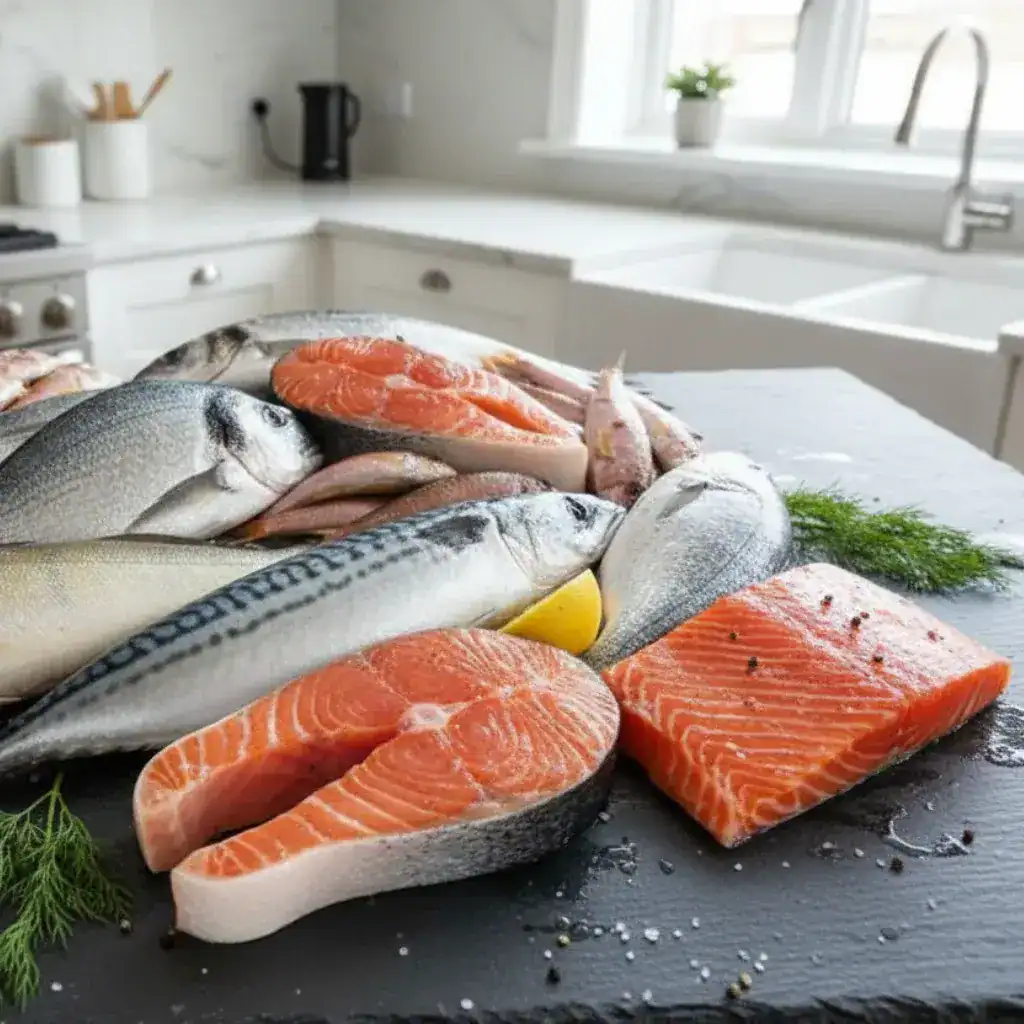
Fish

4. Fish

Fish is a common lifelong allergen and can cause reactions ranging from mild skin symptoms to severe anaphylaxis. Fish proteins are heat-stable, which means cooking does not remove the allergen.

Where it is found: Fresh or frozen fish, tinned fish, fish sauces (e.g. Worcestershire, oyster, fish sauce), Caesar dressings, pizza toppings, ready meals, relishes and dips.

What to watch for: Fish protein can spread through steam or oil during cooking and cause cross-contact in shared fryers, counters and takeaways.

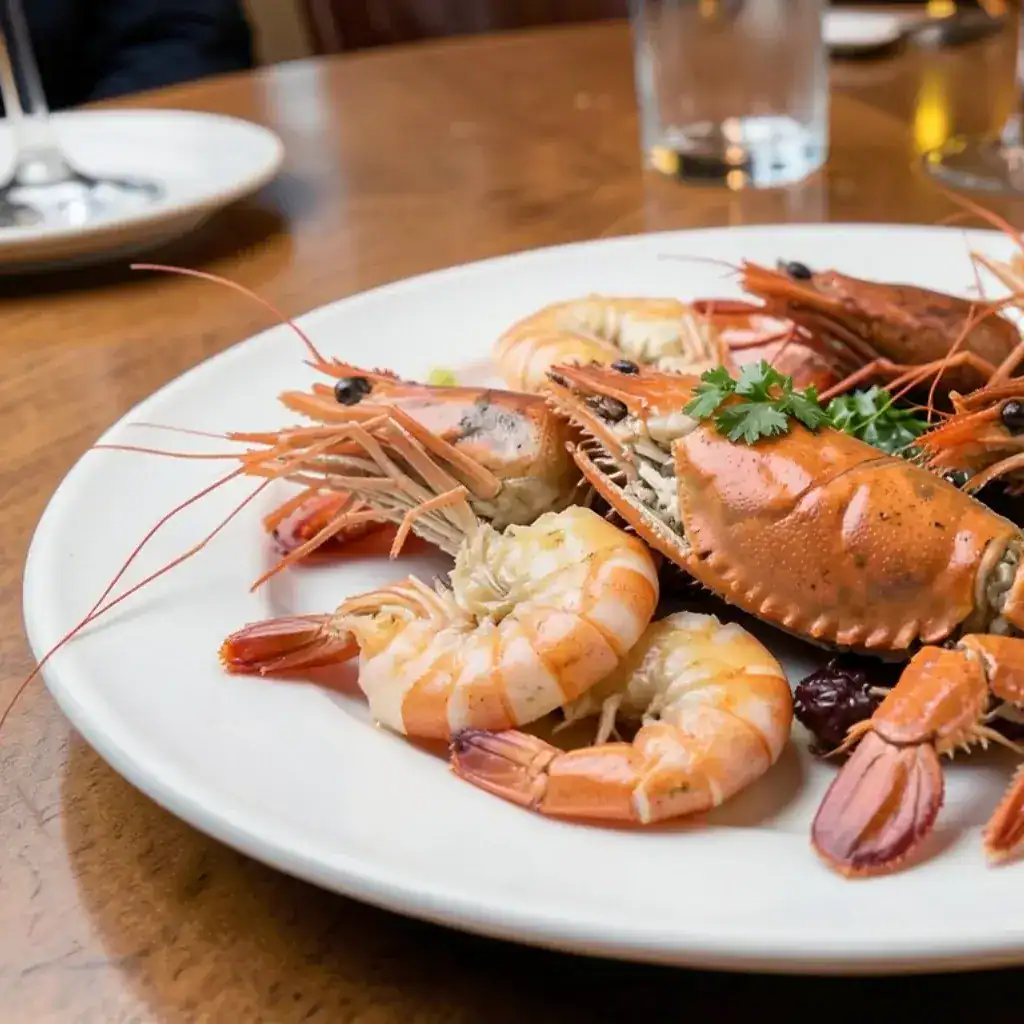
5. Crustaceans

Crustaceans, such as prawns, crab, lobster and crayfish, are a major allergen and can trigger reactions even in very small amounts.

Where it is found: Prawns, scampi, crab dishes, lobster, shrimp, prawn crackers, Asian-style stir-fries, paella, seafood pastes and sauces like oyster sauce.

What to watch for: Cross-contact is a high risk in shared fryers, mixed seafood dishes or where equipment is reused without thorough cleaning.

Crustaceans
Molluscs

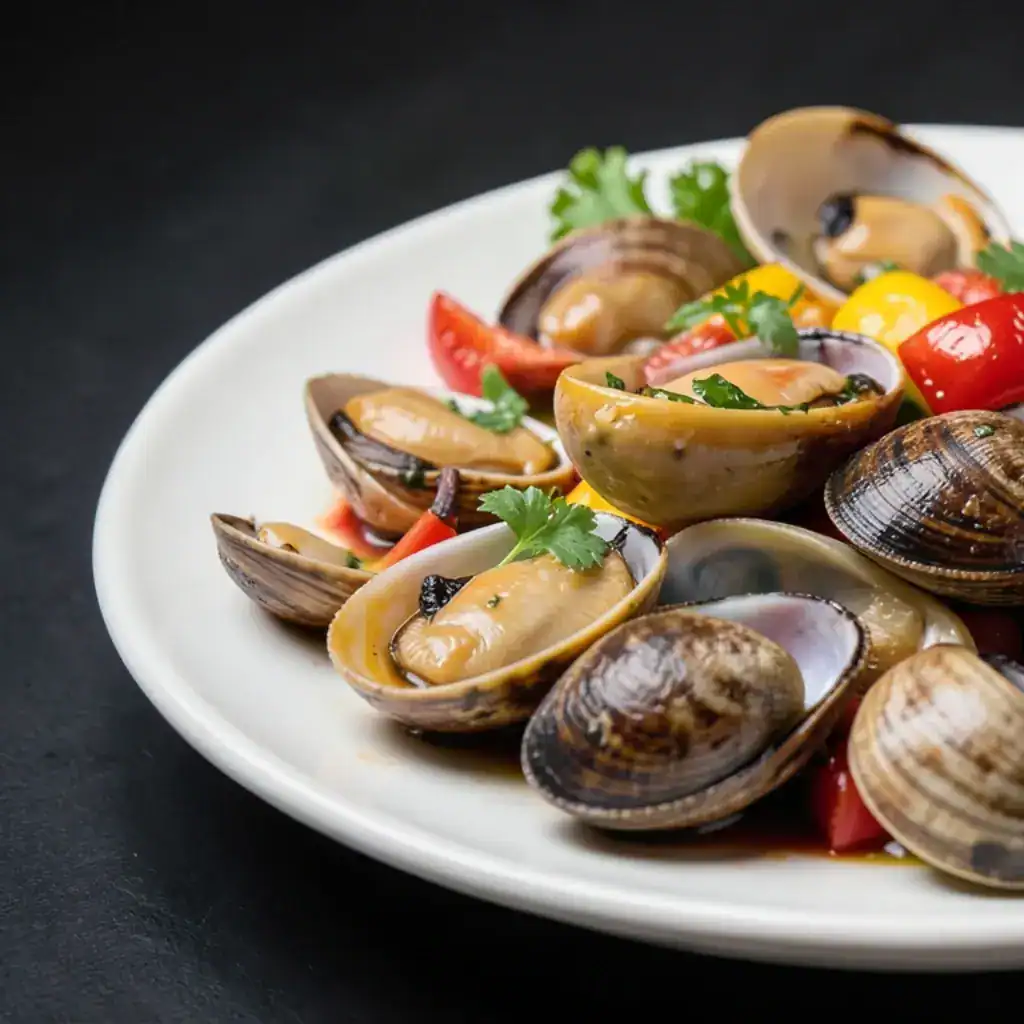
6. Molluscs

Molluscs include mussels, clams, oysters, squid and scallops are another major allergen with the potential to cause severe reactions.

Where it is found: Shellfish platters, seafood chowder, bouillabaisse, paella, stir-fries, battered or crumbed seafood, pizza toppings and sauces such as oyster or clam sauce.

What to watch for: Molluscs are easily hidden in flavourings and broths, and cross-contact is common at fish counters or in kitchens handling multiple types of seafood.

7. Milk

Milk allergy is most commonly seen in babies and young children, many of whom outgrow the allergy by school age. However, the condition can last into adulthood.

Where it is found: Milk, cheese, butter, cream, yoghurt, desserts, chocolate, baked goods, sauces, soups and processed foods.

What to watch for: Milk proteins cannot be removed by heat, so all dairy-based ingredients remain a risk. Clear labelling and strict separation are essential to protect customers with milk allergy.

Milk
Mustard Paste

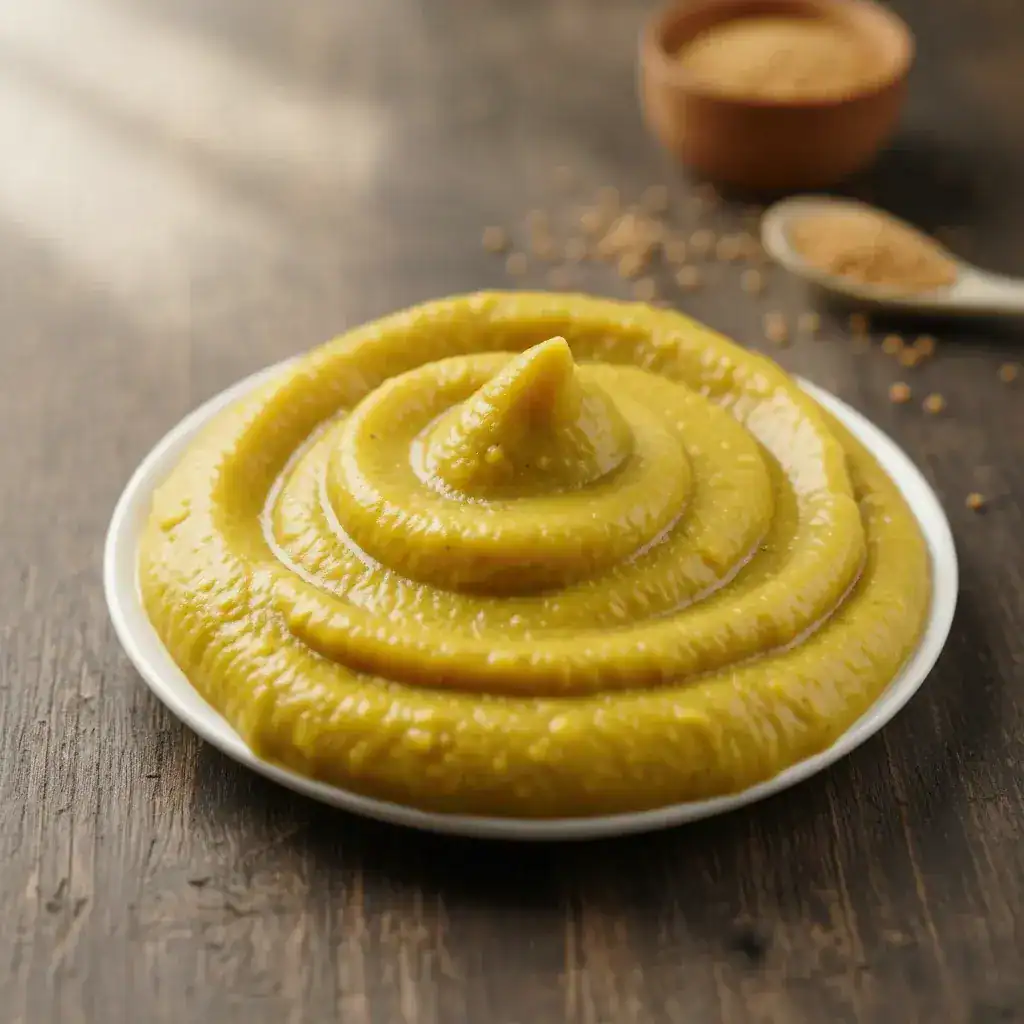
8. Mustard

Mustard is often added in small amounts to boost flavour or act as a thickener. You cannot rely on sight, taste or smell to identify it.

Where it is found: Table mustards such as English, Dijon, and sweet varieties, including curry, barbecue sauce, salad dressings, mayonnaise, marinades, and deli meats.

What to watch for: Mustard can still cause a reaction when it’s ground, powdered or processed. Always check labels carefully, especially for prepared or imported foods.

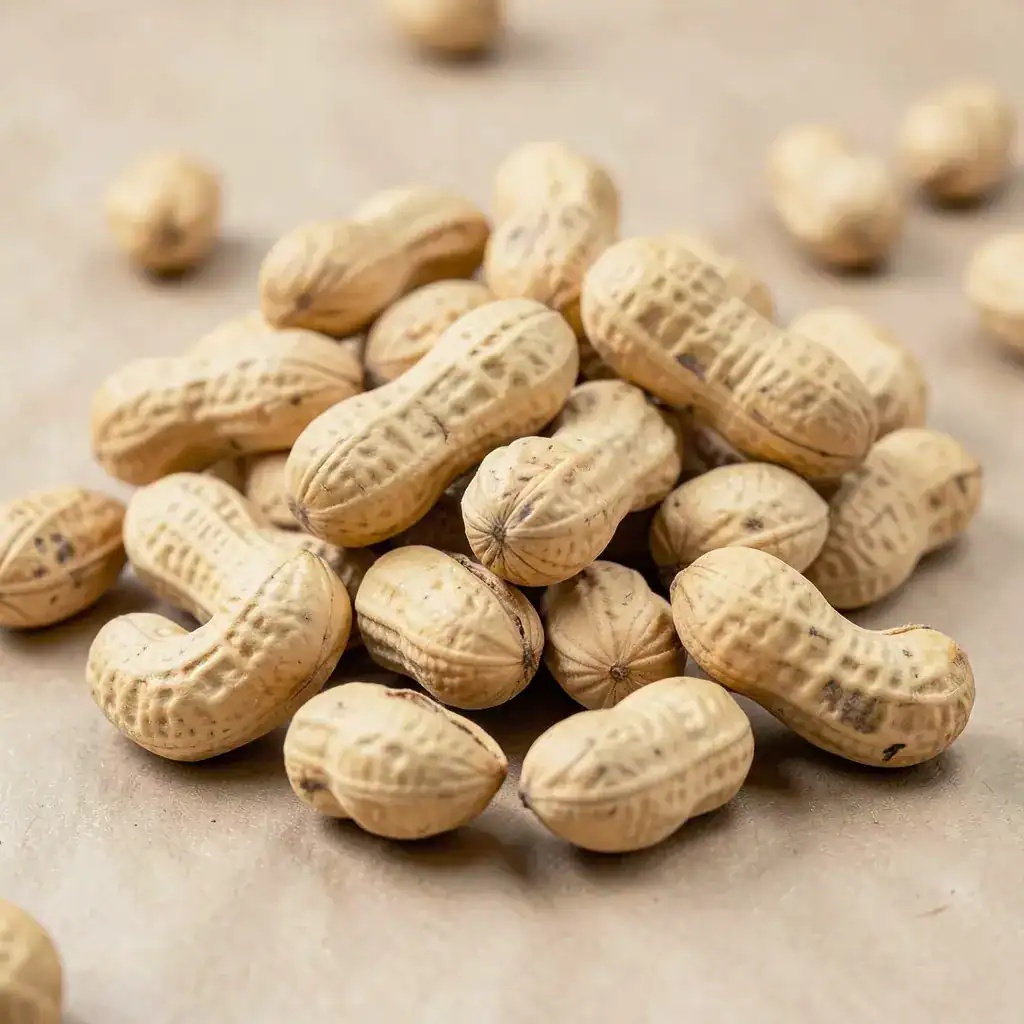
9. Peanuts

Peanut allergy is one of the most common and serious food allergies, affecting around 1 in 50 children in the UK. It also commonly continues into adulthood.

Where it is found: Peanut butter, snack bars, confectionery, cakes, biscuits, sauces, desserts, ice cream, marinades, and vegetarian protein substitutes.

What to watch for: Cross-contact is a major risk in kitchens using peanut oil, shared fryers or utensils. Labels must always be checked carefully.

Peanuts
Sesame

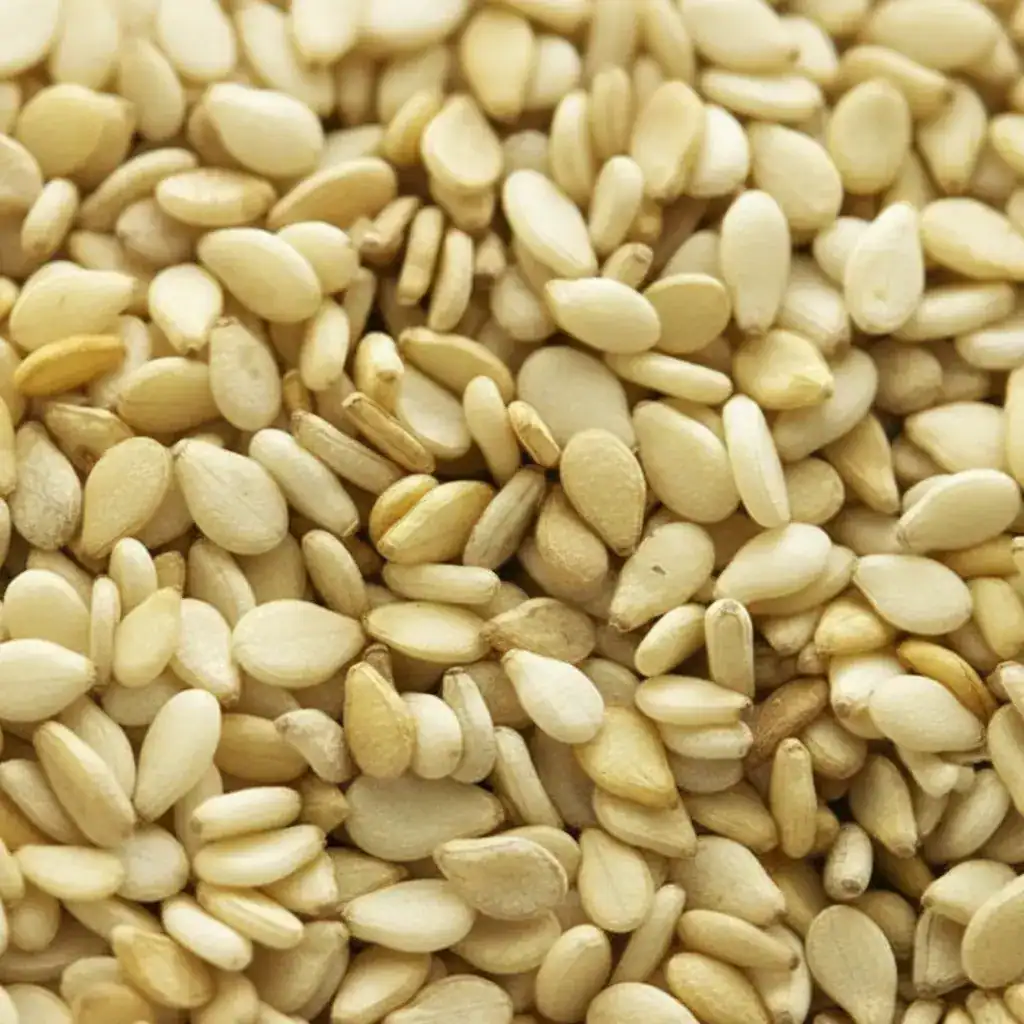
10. Sesame

Sesame allergy can develop at any age. Some children may tolerate whole seeds on bread, but when the seeds are crushed in foods, the proteins are released and can trigger severe reactions.

Where it is found: Bakery products such as bread, bagels, crackers, biscuits, muesli, sauces, dips, chutneys, processed meats, and even confectionery.

What to watch for: Because sesame allergy is as serious as peanut allergy but less widely recognised, you must carefully check labels and confirm ingredients with suppliers.

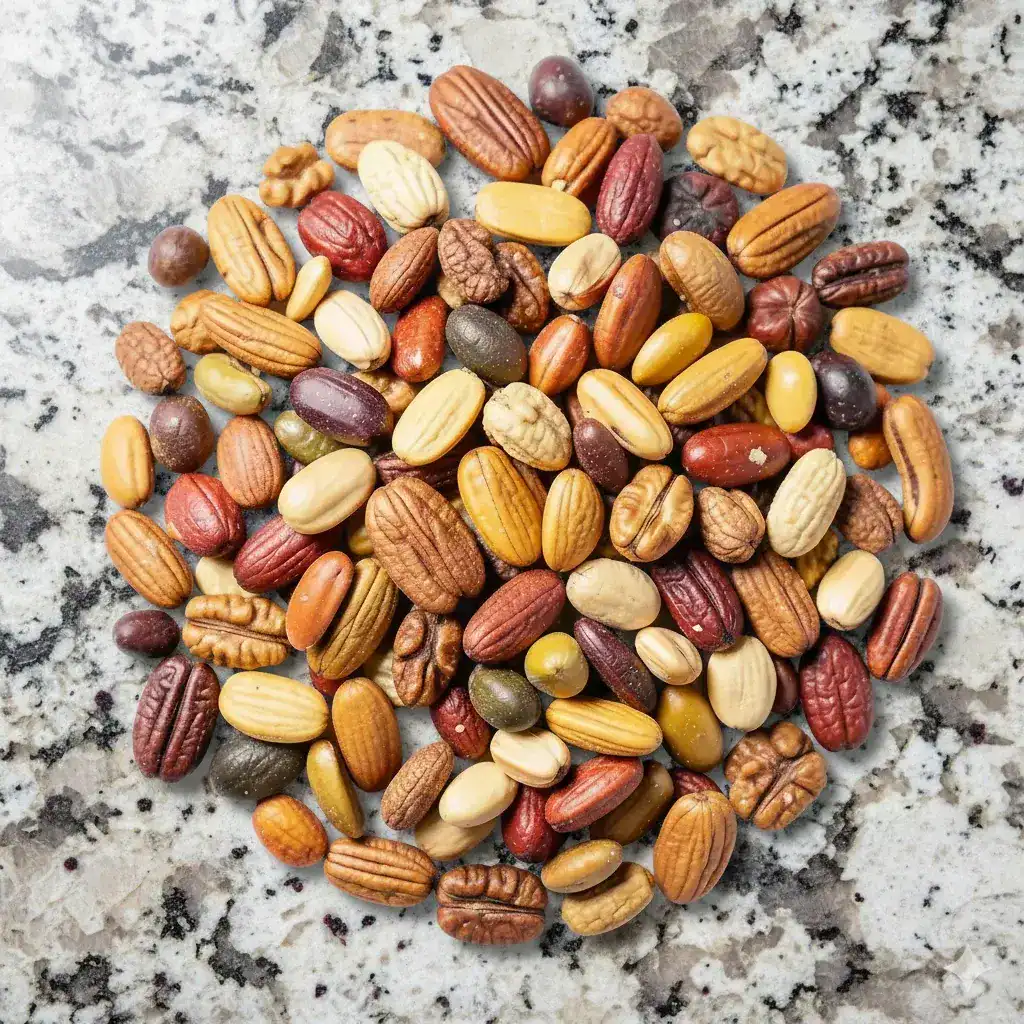
11. Tree Nuts

Tree nut allergy affects around 2% of children and 0.5% of adults in the UK. It usually develops early in life and rarely disappears with age.

Where it is found: Tree nuts are commonly used in confectionery, cakes, pastries, cereals, sauces, spreads, nut butters, oils and dairy alternatives.

What to watch for: Tree nuts can be ground, pressed into oils or blended into processed foods, making them difficult to detect. Cross-contact is a frequent risk in bakeries, and cafes.

Tree Nuts
Soya

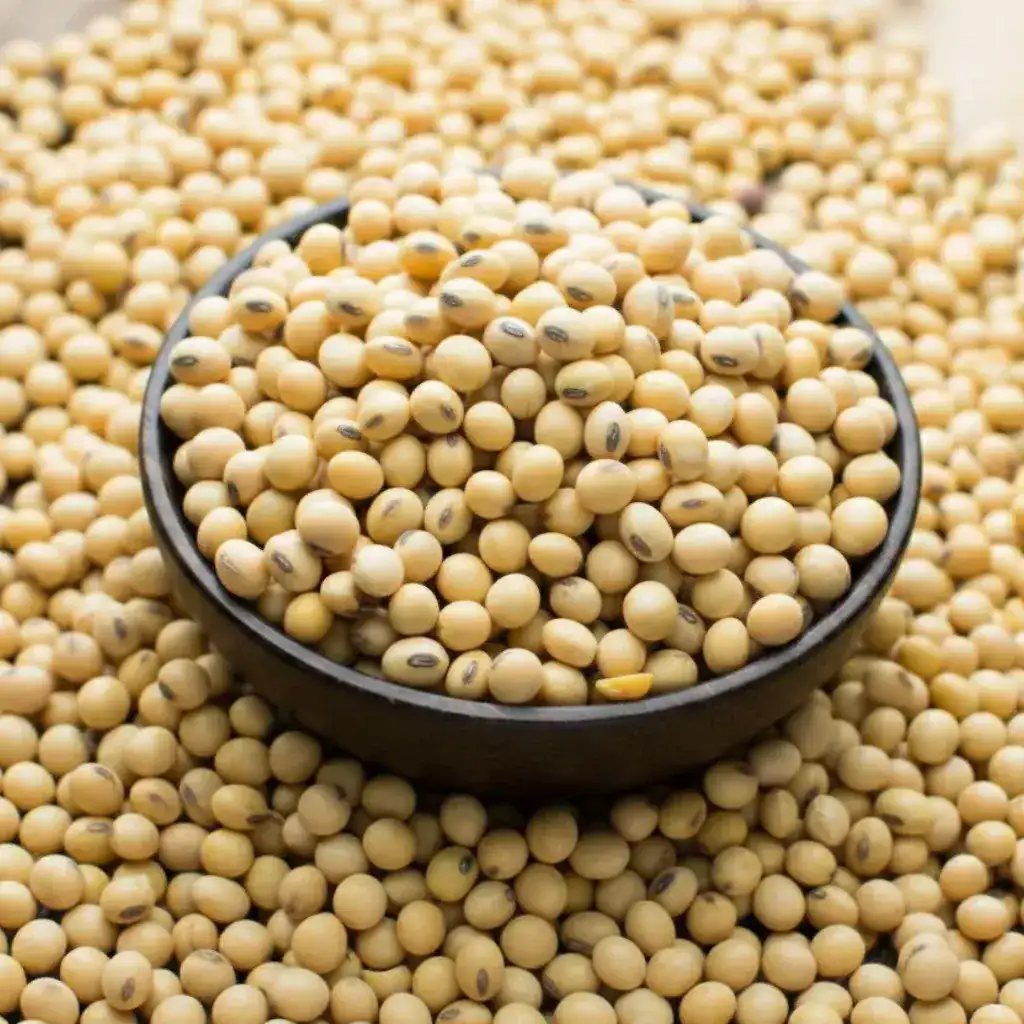
12. Soya

Soya is one of the most common food allergens because it is widely used in processed foods. It comes from the soybean and can appear under different names on ingredient lists.

Where it is found: Soya milk, miso, soy sauce, edamame, soya flour, textured vegetable protein, and infant formula. Soya lecithin (E322) is often used in chocolate and spreads.

What to watch for: Soya may be labelled as vegetable protein, hydrolysed vegetable protein or textured vegetable protein.

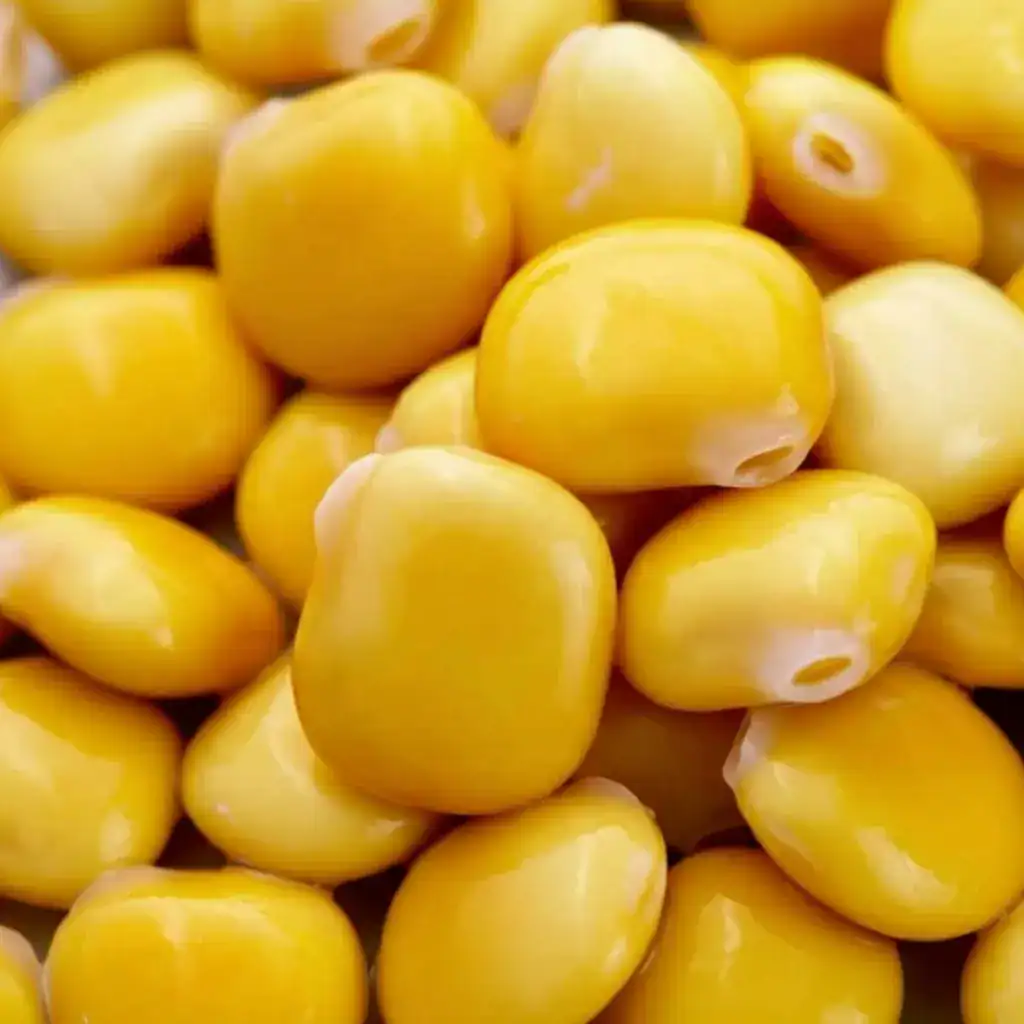
13. Lupin

Lupin is one of the lesser-known allergens. It comes from the seeds of the lupin plant, which are ground into flour and used in baked goods and some gluten-free or vegan products.

Where it is found: Pastries, pies, pancakes, waffles, biscuits, pasta, pizza bases, processed meats, breadcrumb coatings, and deep-fried vegetables.

What to watch for: Lupin can be hidden as flour in imported or specialist goods. Always check labels carefully and be alert when handling products from Europe.

Lupin
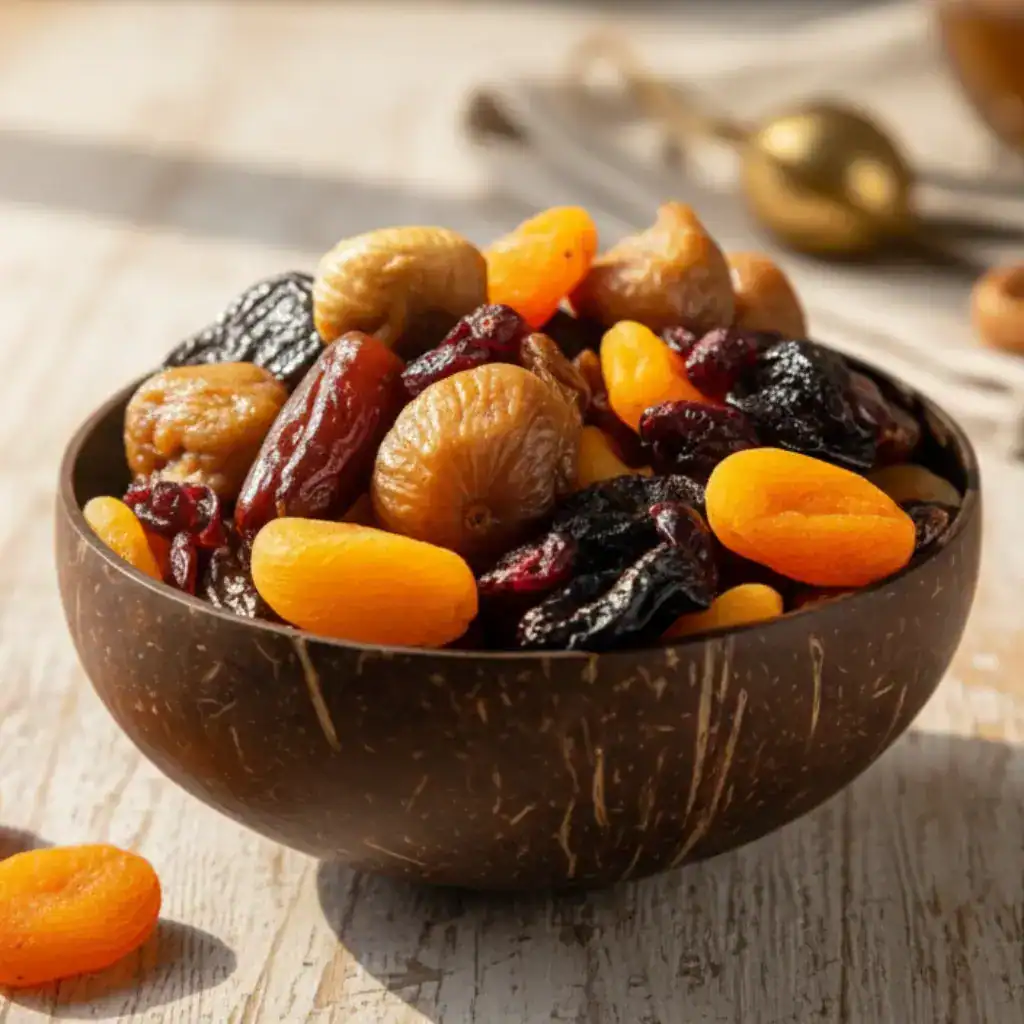
Sulphur Dioxide

14. Sulphur Dioxide (Sulphites)

Sulphites are preservatives that help prevent food and drink from spoiling. They are not a common cause of true allergy, but they can trigger asthma symptoms.

Where it is found: Preservatives in dried fruit, wine, beer, cider, bottled lemon and lime juice, soft drinks, pickled foods, sauces, guacamole, tinned coconut milk, pre-cut potatoes, prawns and some processed meats.

What to watch for: Sulphites must be declared on labels when present at levels above 10mg/kg or 10mg/l. They may appear under additive codes E220–E228.

Legal Duties on Managing Food Allergens – and Who Is Responsible

In the UK, food business operators (FBOs) are primarily responsible for food safety and allergen information.

The most significant laws they must comply with are the  Food Safety Act 1990 and the Food Information Regulations 2014. Key requirements include:

  • Food businesses must take all reasonable precautions to prevent allergen cross-contact during the storage, preparation, handling and service of food.
  • For prepacked food, allergens must be listed in the ingredients and emphasised, usually in bold.
  • For non-prepacked food sold in restaurants, cafés, or takeaways, allergen information must be available at the point of sale. It can be provided in writing or orally if customers are clearly directed on how to ask.
  • Since October 2021, all food prepacked for direct sale (PPDS) must display the food name plus a full ingredients list with allergens highlighted (Natasha’s Law).

Do Food Workers Need Additional Training?

While the legal duty rests with the FBO, frontline staff have a critical part to play. They handle ingredients, prepare meals and answer customer questions. FBOs must ensure that all food workers have received suitable instruction, training or supervision on handling allergens.

Train your staff with online Food Allergen Training. It’s relevant for anyone who prepares, handles or serves food, covering:

  • The risks linked to the 14 regulated allergens
  • Legal duties and labelling rules businesses must follow
  • How food safety systems help prevent cross-contact

Enrol your staff today and give them the knowledge to manage allergens safely.

About the author(s)

Jonathan Goby is an experienced writer whose insights explore the intersection of regulatory compliance and workplace culture. His work focuses on making health and safety a business priority by highlighting the moral and financial costs of non-compliance.

Share with others
You might also like

Popular Courses

GDPR Awareness Training Course
GDPR Training
View Course Details
LOTOTO online training course
Safe Isolation – Lock Out, Tag Out, Try Out (LOTOTO) Training
View Course Details
IOSH Managing Safely
IOSH Approved Managing Safely e-Learning
View Course Details
spill kit training
Spill Kit Hazardous Substances Training
View Course Details
Legionella-Risk-Assessment-Training
Legionella Risk Management Principles for Responsible Persons
View Course Details

Recent Articles

forklift struck by risk
Forklift Struck-By Risks: The System Controls That Reduce Collisions and Falling Loads in Warehouses
contractor safety
Assuring Contractor Safety: Testing What Happens on Site
fire risk assessment mistakes
Common Fire Risk Assessment Failures: What Responsible Persons Get Wrong and How to Avoid Enforcement Action
harness inspection records UK
Harness and Lanyard Inspection Records Explained
fire risk assessor responsibilities
Who Can Carry Out a Fire Risk Assessment in England and Wales — and Why the Competence Question Still Has No Single Answer

Current Offers

near miss reporting for effective learning
Managing Near Miss Reporting for Effective Learning

Original price was: £895.00.Current price is: £595.00. +VAT

Sustainability and Environmental Management Training
Sustainability & Environmental Management Training

Original price was: £895.00.Current price is: £595.00. +VAT

Icon-PNG
Home Working Bundle Pack (4 in 1)

Original price was: £100.00.Current price is: £49.00. +VAT

driving for work
Driver Training Pack (5 in 1)

Original price was: £100.00.Current price is: £60.00. +VAT

driving for work
Highway Code Updates Awareness Training

Original price was: £25.00.Current price is: £15.00. +VAT