The freezer. It’s like the black hole of the culinary universe. A freezer often winds up jammed with countless random bits of packaged food, frozen goods, leftovers and who knows what else. Whether you’ve got a deep freezer at home or your place of business, it will need defrosting at some point.
While it’s probably not the most exciting way to spend your time, knowing how to defrost a freezer is handy.
Defrosting a freezer not only helps you save space and stops food from going to waste, but it can also cut your energy costs.
In this blog, we’ll show you the best way to defrost a freezer, explain how to defrost a freezer quickly and tell you how often to defrost a freezer.
Freezer defrosting is necessary and worthwhile.
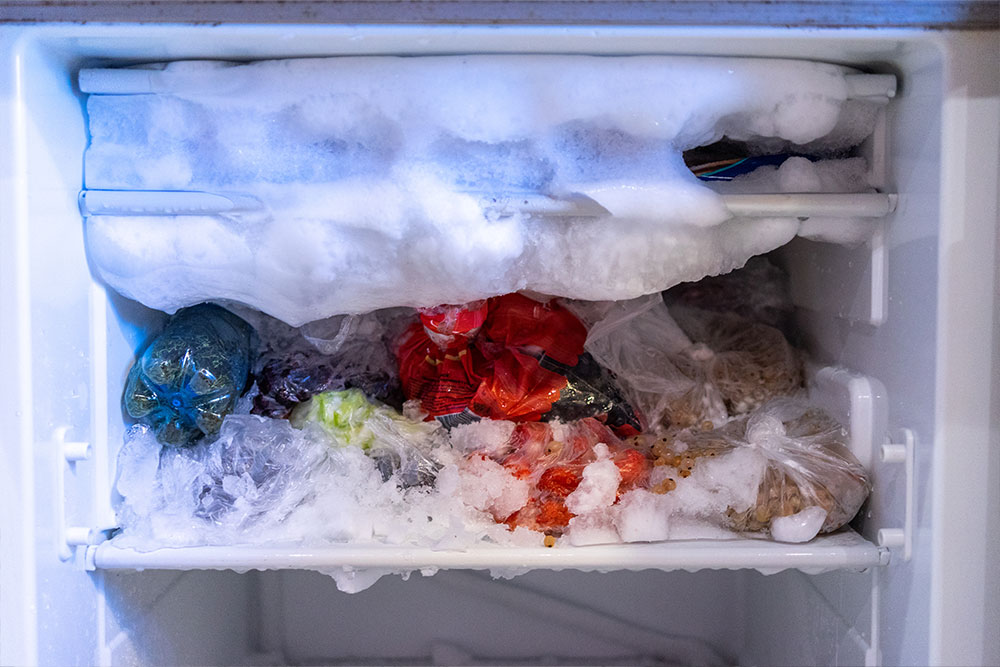
Let’s look at what happens in your freezer. Every time you open the freezer door to grab a packet of fish fingers, you’re letting in warm air. This warm air brings in heat and moisture. The excess moisture forms frost that can build up on the freezer’s floor, roof, and walls.
This can happen very quickly when the weather is humid in the summertime.
Now, all that frost buildup doesn’t help your freezer one bit. Accumulated frost causes the freezer’s motor to work harder than it should to keep your food frozen. The harder the motor works, the more energy it needs. The more power it uses, the more your freezer costs to run.
Frost buildup also impacts how well the freezer can regulate its temperature, so the food you have in there won’t last as long. Which kind of defeats the purpose of putting it in the freezer in the first place.
Unless you’ve got some sort of physics-defying superpower, you’ll probably need to open the door to move things in and out of your freezer. So, avoiding excess frost from building up is a bit difficult. Even freezers with auto-defrost options can get frost buildup.
Now you know why you should defrost a freezer, let’s go over the best way to defrost a freezer.
There are lots of different ways in which you can go about defrosting a freezer. Unfortunately, many of these methods don’t consider food safety.
The best way to defrost a freezer is to plan ahead. You’ll need to consider how much food you have in the freezer, figure out what to do with it, get some gear together and have some time on your hands. Follow the ten steps below to defrost a freezer safely.
Use up as much of the food currently in there as possible. There’s no safe way to defrost a freezer with the food still in it. When frozen food thaws out, it can reach a temperature where bacteria and mould start to form. And that’s not good.
If you can’t use up all the food in the freezer, plan to store it somewhere it won’t thaw. You could move it to a neighbour’s freezer if you have charming neighbours. Or you could put it in cooler bags in an ice chest.
You can put frozen food in the fridge, but it should be used within 24 hours. You might end up with a bad case of food poisoning if you eat thawed food that has been out for too long.
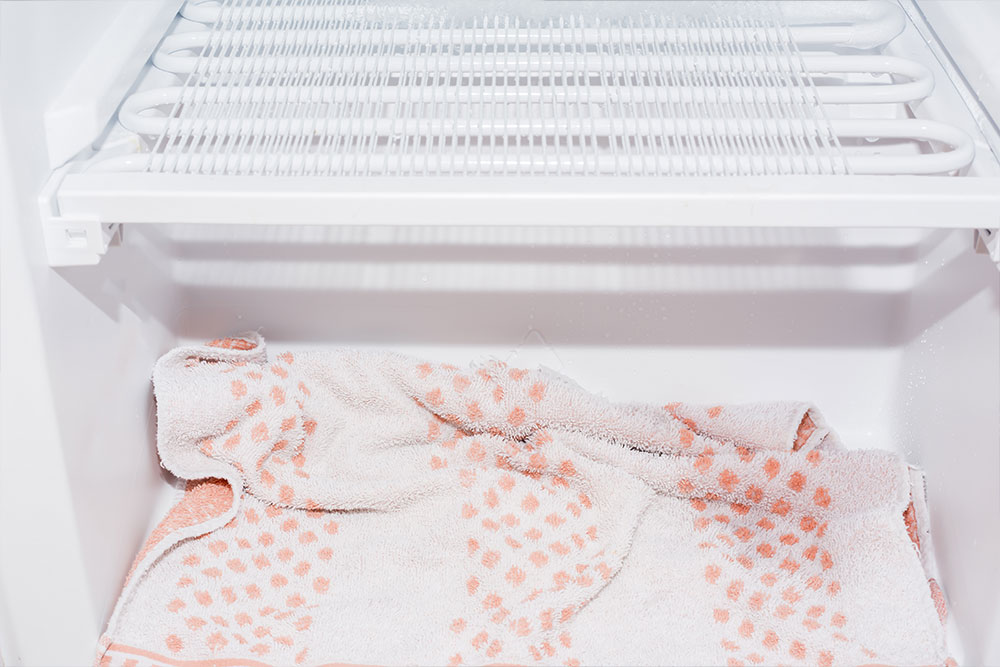
Once the food has been removed from the freezer, you’ll need to put some towels in front of the freezer to protect your floor. You’ll also need to put a shallow dish under the freezer if your freezer has a drainage hose. It’s also a good idea to put some bowls inside the freezer to catch the excess ice as it melts.
Now that you’ve emptied your freezer, you can turn it off. Switch the freezer off at the wall and unplug it. Be sure to put the plug somewhere where it won’t come into contact with melting ice.
Remove any shelving or holders that are inside the freezer. If too much ice is built around them, wait for it to melt before removing the shelving.
Next: nothing. Leave the freezer door open and just wait for the ice to melt. There is no set time for how long this will take, so you may need to be patient. How long it takes will depend on how much ice has built up and the ambient temperature of your home or business.
Be careful taking advice on how to defrost a freezer quickly. Lots of recommended methods can be hazardous. Never use a hairdryer or any other electrical appliance to thaw the ice. This could damage the freezer and put you at risk of electrocution.
Trying to chip off the ice with a knife or other object is also wrong. One slip and you could hurt yourself or puncture the walls and pipes of the freezer. Don’t pour hot or boiling water on the frost, either. This can cause the pipes of the freezer to burst.
If you really want to speed up the thawing process, you can fill some bowls with boiling water and put them into the freezer, but it’s better just to be patient and wait.
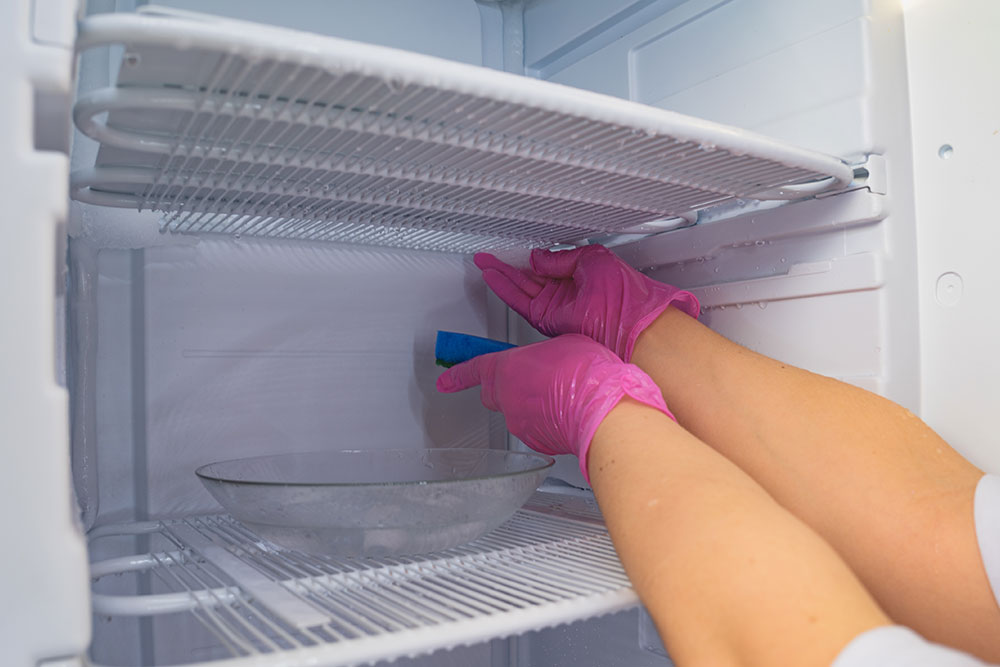
No matter which way you go about defrosting a freezer, there’s going to be some mess. You’ll need to clear out any ice chunks, mop the water, and thoroughly clean the inside of the freezer. Once you’ve done that, dry the inside of the freezer as best as possible with a soft towel.
Turn your freezer on and wait. The freezer must hit an optimal temperature before returning food to ensure it stays safe. This might take a few hours. You can check the freezer manual to get an idea of how long the appliance will take to reach a safe temperature.
Most freezers can be set to be between -16 °C to -24 °C. The recommended temperature for a freezer is -18 °C.
Once your freezer is cold enough, you can return your food. If you’re concerned the temperature isn’t cold enough, you can use a fridge thermometer to check.
Now, you can relax and enjoy a clean, spacious freezer that will cost you less to run and keep your food fresher for longer. Time to start stocking up on fish fingers again! Plus, you’ll have the time to go skydiving.
If you want to know how to defrost a chest freezer, the process is the same, but the water will drain out through the drainage pipe. You’ll have to scoop the water out if there’s no drainage pipe.
There’s no hard and fast rule about how often you should defrost your freezer, although the user’s manual may have recommendations. As a rule of thumb, defrost your freezer at least once or twice a year or as often as needed to ensure it doesn’t build up too much frost again.
When you can’t easily close the door because of ice, your freezer needs a defrost. If the freezer needs a full defrost regularly, there might be a problem with the seals or the motor.
Remember never to put hot foods into your freezer. This can cause frost and ice to build up and is also bad for food safety.
Now that you’ve learned how to defrost a freezer safely, you can take further steps to enhance your food safety knowledge.
Our Food Hygiene Courses are ideal for anyone who works in the food industry or is interested in food safety.