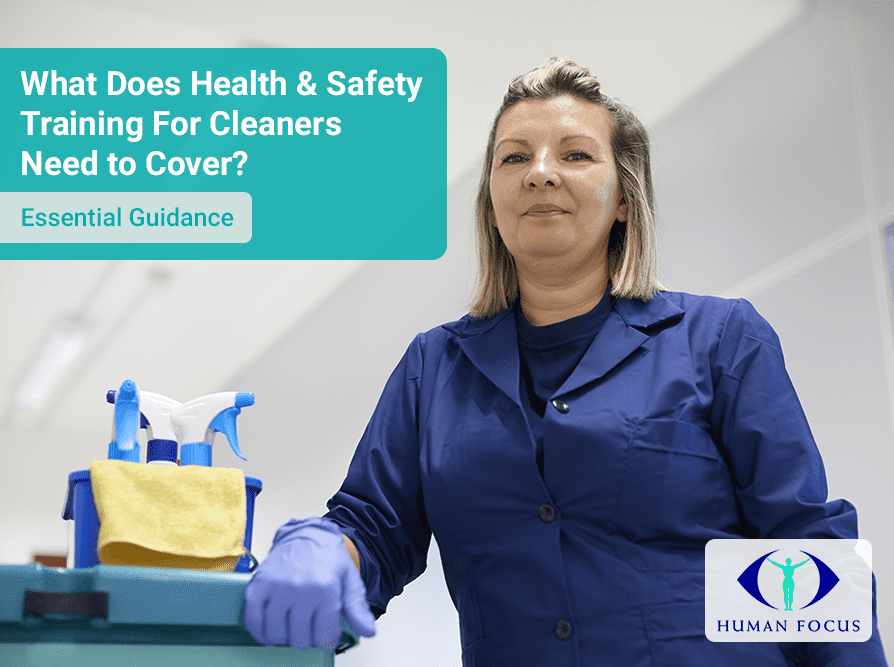
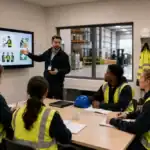
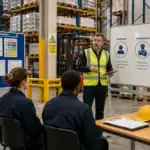
Due to the nature of their work, the equipment and the environments they work in, cleaners and clients are particularly at risk from accident, injury, or illness. For this reason, it is essential that employers provide cleaners with practical health and safety training.
Slips, trips and falls: Slips, trips and falls are the single biggest cause of injury to workers in the UK, according to the HSE. Wet floors, equipment and electrical cabling all pose significant slipping and tripping hazards for cleaners, as well as anyone else in the vicinity of the work.
Claims for this type of injury are one of the common in the UK. Rewards can be in the tens of thousands of pounds.
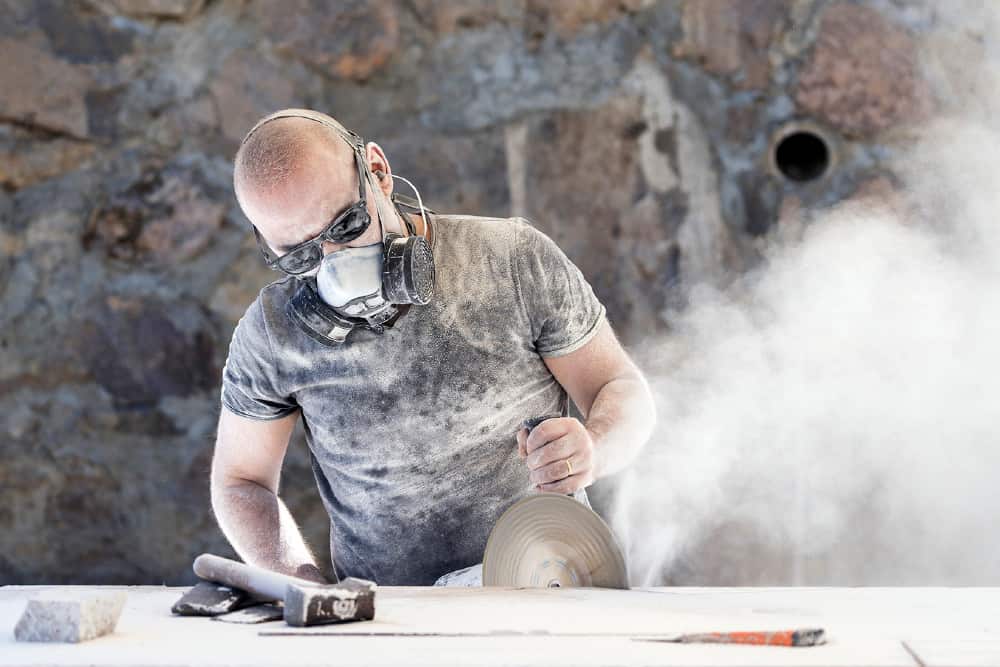
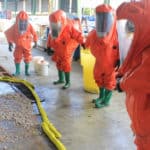
Hazardous chemicals: Many chemicals used in the cleaning industry contain highly corrosive or carcinogenic ingredients. Improper handling of these hazardous chemicals can cause skin conditions such as dermatitis or allergic reactions. Burns, respiratory problems, and injuries to the eyes are also commonplace.
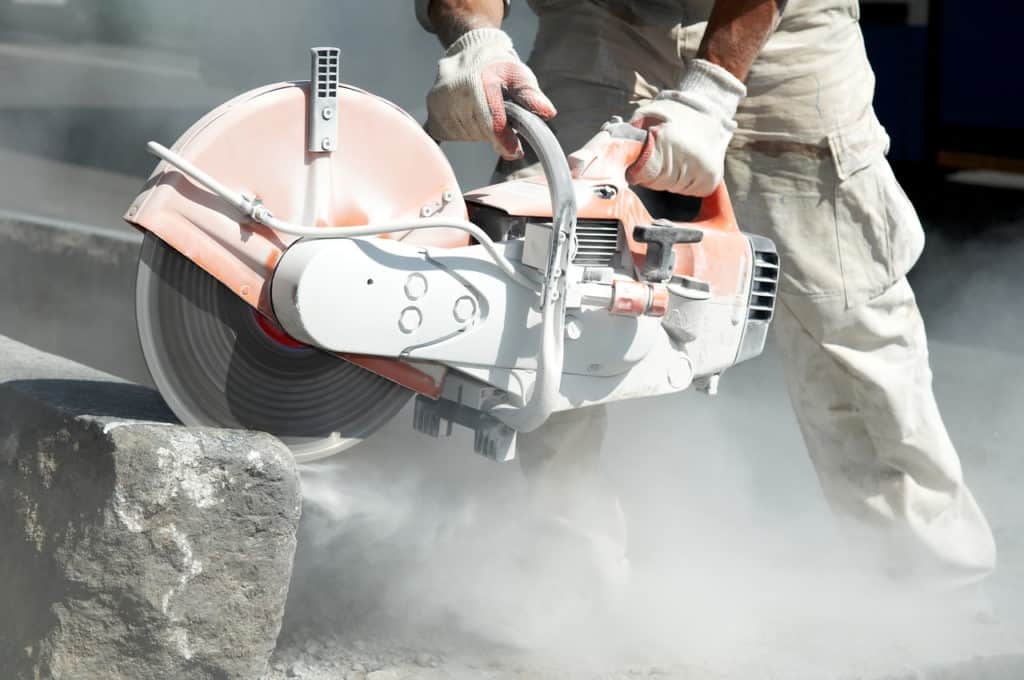
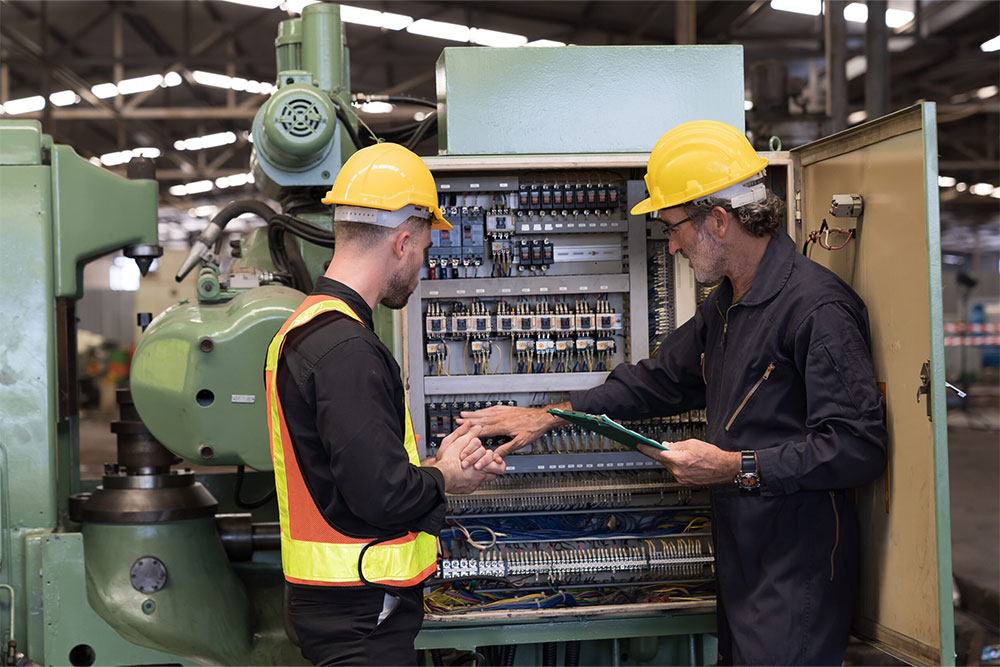
Machinery and equipment: Cleaners may find that they are required to either use or clean machinery or equipment that is hazardous to their health. Industrial cleaners may have to clean machinery that poses a cutting or crushing hazard.
Machines that are not switched off correctly or are put into use suddenly can cause injuries. Prolonged use of vibrating handheld machinery such as floor buffers can result in conditions such as Hand-Arm Vibration Syndrome (HAVS).
Cleaners also face the risk of electric shock from water or liquids being spilt on electrical appliances or devices.
Manual handling: Pushing equipment for hours on end or having to move large, heavy objects is commonplace for many cleaners. Without the proper manual handling training, cleaners run the risk of back injuries, sprains, strains, and other issues. The repetitive nature of their work can also mean that cleaners face a range of musculoskeletal disorders and injuries.
Unsupervised work environments: Cleaners often work after normal operating hours have finished, so find themselves in unsupervised environments. Since there are no co-workers to provide assistance or first aid if an accident or incident does occur, it may have a more severe impact on a person’s health and wellbeing.
Lone working: Cleaners frequently work alone. This puts that at risk for the hazards of lone working, such as violence and aggression or handling accidents and problems without the aid of a co-worker to assist.
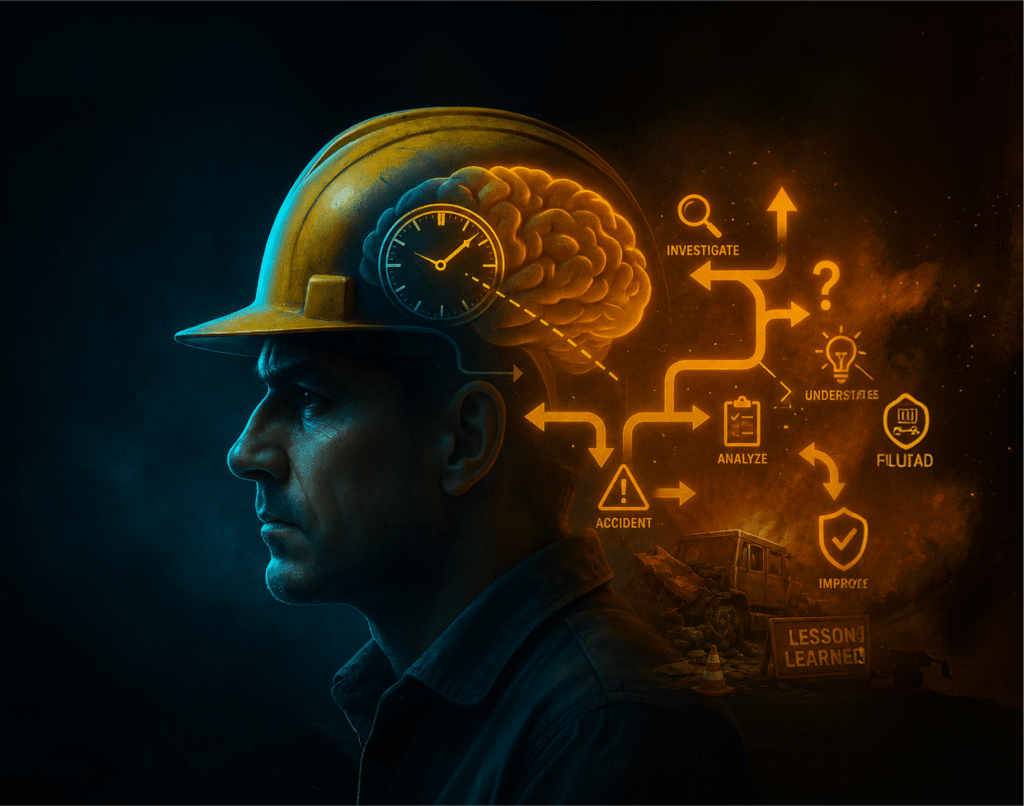
Mental health issues: Stress stemming from overwork, time pressures, shift work, long hours and hazardous working environments can negatively impact the mental health of cleaners. Physical ailments which have arisen as a result of their work can also trigger mental health problems.