Most organisations have mandatory health and safety training obligations. They arise from legislation, regulation, sector standards and the risks created by your operations, equipment, premises and workforce. Knowing you have health and safety training requirements, however, is only the starting point.
The harder question is which training topics apply, which roles need them and where your current provision has gaps. Those gaps can be difficult to see because training obligations often sit across different compliance areas, managers and review cycles. A gap may only become clear when an audit, client, insurer or incident asks for evidence that training matches the roles, risks and duties involved.
This guide works through eleven compliance areas that together cover the training topics most UK organisations need to address. For each area, it explains what it covers, who it typically applies to, the training topics it creates and where gaps commonly occur.
A note on this framework: The eleven compliance areas are a Human Focus planning structure. They group related legal and sector requirements into practical themes, so training needs can be reviewed by area rather than one regulation at a time. The framework gives organisations a structured way to check the requirements most commonly encountered in UK workplaces. It is not an exhaustive list of every regulation that may apply. Some organisations will need to add more specific requirements, such as the Control of Major Accident Hazards Regulations 2015 (COMAH), depending on their activities, substances, sites or risk profile. Use it as a working map. Add any specialist regulations that apply to your organisation, then review each area against the people, tasks and controls involved.
Universal — applies to all organisations with premises or employees
What This Area Covers
Fire safety is a universal compliance obligation. The Regulatory Reform (Fire Safety) Order 2005 requires every organisation with premises or employees to ensure workers receive appropriate fire safety training. Beyond that general requirement, the specific training needs depend on the premises, the activities carried out there and the roles people hold.
Who It Usually Applies to
All organisations with premises or employees. Particularly relevant where a responsible person has been formally appointed, where fire wardens are in place, or where the organisation manages or occupies multiple buildings.
Typical Training Topics to Check
- General fire safety awareness for all workers — fire risks, alarm response, evacuation, extinguisher use
- Fire risk assessment — for those responsible for conducting or reviewing assessments
- Fire warden training — for appointed fire wardens and those supporting evacuation
- Fire safety inspection — for those responsible for ongoing inspection of fire systems and equipment
- Fire door awareness, maintenance and inspection — from general awareness through to formal inspection competency
- Fire extinguisher inspection — for those responsible for maintaining suppression equipment
- Fire stopping — for those responsible for passive fire protection in buildings
- Emergency preparedness — planning and response for a range of emergency scenarios
Common Gaps to Look for
- General fire awareness completed but no fire warden training in place
- Responsible person appointed but not trained in fire safety inspection or fire door inspection
- Fire risk assessment conducted by someone without appropriate training
- No refresher training in place for fire safety — completion records but no renewal process
- Fire door compliance not addressed beyond general awareness
Ask your organisation: Does our responsible person have the training their role requires — not just general awareness, but inspection, assessment and management competency?
Applies to most organisations — scope depends on equipment and operations
What This Area Covers
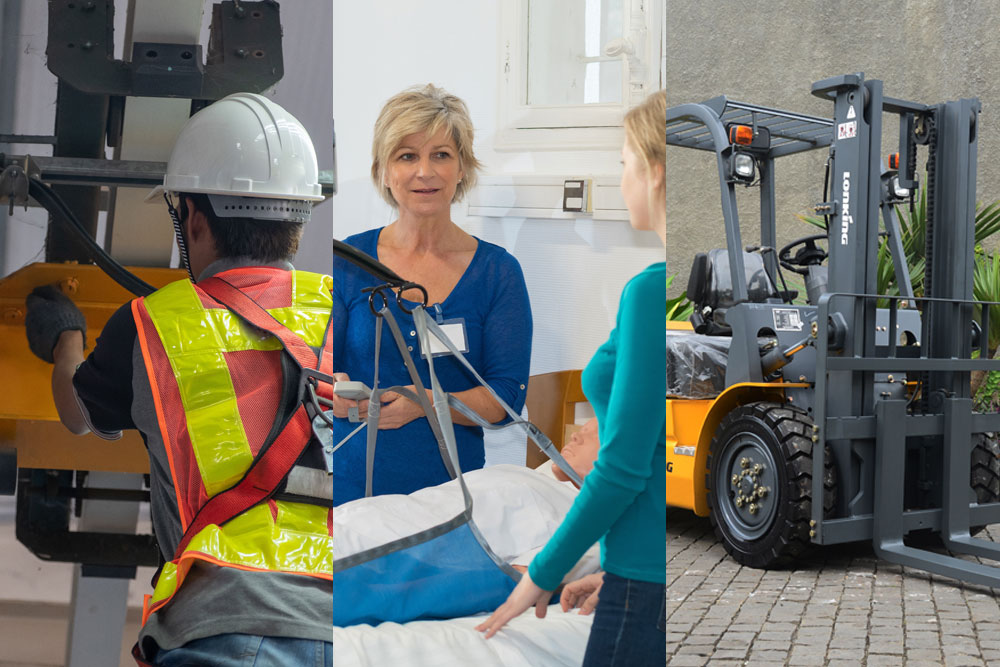
This area covers the safe use, inspection and management of work equipment, machinery, lifting operations and physical workplace hazards. PUWER — the Provision and Use of Work Equipment Regulations — applies to any organisation using work equipment of any kind. Other regulations in this area apply depending on the specific equipment and operations involved.
Who It Usually Applies to
Any organisation using work equipment, tools or machinery. DSE obligations apply to office-based organisations with screen users. Manual handling applies to virtually all workplaces. LOLER applies where lifting operations are carried out.
Typical Training Topics to Check
- Manual handling — appropriate to the environment: office, industry, warehouse, construction, care
- Display screen equipment (DSE) awareness for users; DSE assessor training for those conducting assessments
- Work equipment awareness (PUWER) for users of machinery and tools
- PUWER inspection training for those responsible for equipment inspection and compliance management
- LOLER — lifting operations and lifting equipment — for operators, planners, supervisors and inspectors
- Electrical safety awareness; PAT testing for those conducting portable appliance tests
- Working at height — harness and lanyard awareness, ladder safety, scaffold awareness
- Scaffolding inspection and harness inspection for those with inspection responsibilities
- Noise and vibration awareness for exposed workers; face fit testing for RPE selectors
- Slips, trips and falls — appropriate to the environment
Common Gaps to Look for
- DSE assessor training absent despite legal obligation to assess all workstation users
- LOLER inspection carried out by people without formal inspection training
- PUWER compliance management not addressed beyond user-level awareness
- Working at height managed through awareness training without formal inspection competency for equipment
- Manual handling training generic rather than matched to the specific environment and tasks
Ask your organisation: Are the people responsible for inspecting, managing and maintaining our equipment trained to the level their role requires — not just the people using it?
Applies where high-risk activities are carried out — may not apply to office-based organisations
What This Area Covers
Some operations carry a level of risk that requires formal systems of control before work can begin — permits, isolation procedures, competency checks and documented safe systems of work. This area covers those high-risk operations: working at height in high-risk contexts, confined space entry, hot works, permit to work, LOTOTO, excavation, workplace transport and lone working.
Who It Usually Applies to
Construction, maintenance, engineering, utilities, manufacturing, facilities management and any organisation where high-risk physical operations are carried out or managed. Even organisations that outsource high-risk work may have residual training obligations as the client or premises owner.
Typical Training Topics to Check
- Permit to work — for authorised persons, supervisors and workers covered by permits
- LOTOTO (lockout/tagout/tryout) — for those carrying out or supervising machinery isolation
- Confined space entry — risk assessment, safe systems of work, rescue arrangements
- Hot works — awareness and risk assessment for those planning and authorising activities
- Workplace transport — for vehicle operators, workers in shared areas, banksmen and traffic marshalls
- Excavation and underground services — for those planning and supervising groundworks
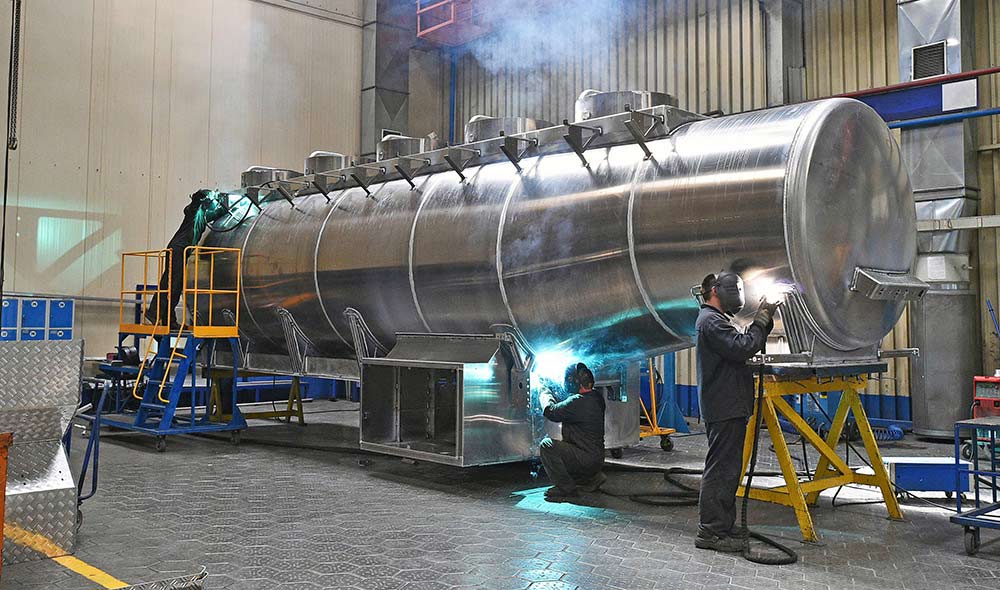
- Welding fume control and LEV management — for those responsible for fume controls
- Lone working safe systems — for lone workers and their supervisors
Common Gaps to Look for
- Permit to work system in place but those issuing permits not formally trained in the system
- Confined space entry procedures exist but rescue arrangements and competency not verified
- Hot works permits issued without specific hot works risk assessment training
- Workplace transport managed without banksman or traffic marshall training
- LEV systems in place but LEV management training absent for duty-holders
Ask your organisation: For each high-risk operation we carry out or manage, do we have trained, competent people in every role the control system requires — not just workers, but supervisors, authorised persons and duty-holders?
Universal — applies to all organisations
What This Area Covers
Risk management sits at the heart of UK health and safety law. The Management of Health and Safety at Work Regulations 1999 require all employers to assess risks, implement controls and ensure those with safety responsibilities are competent. This area also covers accident and near miss investigation, RIDDOR notification, first aid provision and the competency of those in safety leadership roles.
Who It Usually Applies to
All organisations. Particularly important for those with managers, supervisors and duty-holders carrying formal safety responsibilities.
Typical Training Topics to Check
- General health and safety awareness for all workers — matched to the working environment
- Risk assessment — for those conducting or reviewing assessments
- Hazard identification — for workers and supervisors
- Accident and near miss investigation — for those responsible for investigating events and identifying contributory factors
- Near miss reporting — for workers and managers
- RIDDOR — for managers who need to understand reporting obligations
- Behavioural safety — for workers and managers
- First aid — for appointed first aiders and all workers on first aid arrangements
- IOSH Working Safely for workers with supervisory responsibilities
- IOSH Managing Safely for managers and those with formal safety management responsibilities
- IOSH Safety for Executives and Directors for senior leaders
Common Gaps to Look for
- Risk assessment training absent for supervisors and managers who are expected to conduct or review assessments
- No structured approach to near miss reporting or investigation — incidents recorded but contributory factors not explored
- IOSH qualifications not in place for managers carrying safety management responsibilities
- First aid provision in place but first aiders not receiving refresher training
- Behavioural safety not addressed — technical training in place but safety culture not considered
Ask your organisation: Do the people in our organisation who carry safety management responsibilities — supervisors, managers, directors — have training that reflects what those responsibilities actually require?
Applies where hazardous substances, significant health risks or specific exposures are present
What This Area Covers
This area covers the protection of workers from health hazards arising from their work — hazardous substances, noise, vibration, biological agents and psychosocial risks such as stress. COSHH — the Control of Substances Hazardous to Health Regulations — is the central legislation and applies to any organisation where workers may be exposed to hazardous substances.
Who It Usually Applies to
Any organisation where workers are exposed to hazardous substances, chemicals, dust, fumes, noise or vibration. Asbestos awareness obligations apply broadly to any worker who may disturb asbestos-containing materials. Mental health and stress obligations apply to all organisations.
Typical Training Topics to Check
- COSHH awareness for workers exposed to hazardous substances — specific to the substances used
- COSHH risk assessment for those conducting assessments
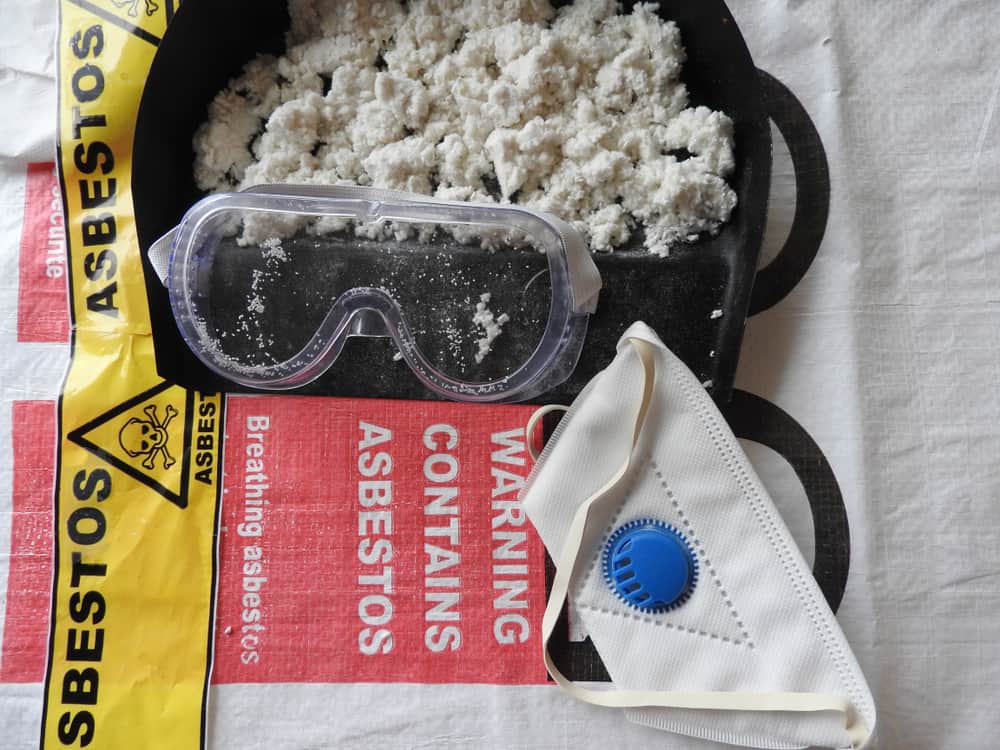
- Asbestos awareness for any worker who may disturb asbestos-containing materials during normal work
- Asbestos management training for those responsible for the duty to manage asbestos in buildings
- Legionella awareness for relevant workers; Legionella management for responsible persons
- LEV management for those responsible for local exhaust ventilation systems
- Face fit testing for those selecting and managing RPE provision
- Noise and vibration awareness for exposed workers
- Silica dust awareness and management for relevant sectors
- DSEAR for those working in areas with explosive atmosphere risk
- Diisocyanates training for workers using products containing diisocyanates
- Mental health awareness for all workers; stress risk assessment and management for managers
- Spill response training for those working with hazardous substances
Common Gaps to Look for
- COSHH training generic rather than specific to the substances actually used
- Asbestos awareness absent for maintenance workers, electricians or contractors who may disturb ACMs
- Legionella responsible person in place but not formally trained in water risk management
- LEV systems in place but LEV management and inspection training absent
- Mental health and stress addressed in policy but no manager training in supporting mental health
Ask your organisation: For each hazardous substance, agent or occupational health risk in our workplace, do we have trained people not just at awareness level but in the assessment, control and management roles the risk requires?
Applies to construction organisations and those commissioning construction work
What This Area Covers
Construction is one of the most tightly regulated areas for health and safety. CDM 2015 — the Construction (Design and Management) Regulations — is the central framework and creates specific duty-holder obligations for clients, designers, principal designers, principal contractors and contractors. These obligations apply not only to construction organisations but also to clients who commission construction work.
Who It Usually Applies to
Construction contractors, principal contractors, housebuilders, civil engineering and facilities management organisations. Also relevant for any organisation that commissions construction or refurbishment work, where CDM client duties apply.
Typical Training Topics to Check
- Construction health and safety awareness for all site workers
- Construction risk assessment and RAMS preparation for those planning work
- CDM awareness for those with project coordinator or client responsibilities
- CDM management principles for principal designers, principal contractors and project managers
- Contractor management for those responsible for selecting and managing contractors on site
- Competency assessment in construction for those reviewing contractor competency
- Working at height in construction — for site workers, supervisors and those with inspection responsibilities
- Excavation and underground services — for those planning and supervising groundworks
- IOSH SHE for Construction Site Managers for those with site management responsibilities
- Construction housekeeping and site safety for all site workers
Common Gaps to Look for
- CDM client duties not understood by those commissioning construction work
- Principal contractor role held by someone without CDM management training
- Contractor competency assessment carried out without formal training in competency assessment
- Site managers without IOSH or equivalent qualification for their safety management role
- Working at height managed through awareness training without inspection competency for appointed persons
Ask your organisation: Do all our CDM duty-holders — including our client representatives — understand their specific obligations and have the training to fulfil them?
Applies to organisations seeking ISO certification or managing environmental obligations
What This Area Covers
This area covers ISO management systems — ISO 45001 for health and safety, ISO 9001 for quality and ISO 14001 for environmental management — and the environmental compliance obligations that apply to organisations whose activities affect the environment. ISO certification is not a legal requirement, but it is increasingly expected by clients, supply chains and regulators.
Who It Usually Applies to
Organisations seeking or maintaining ISO 45001, ISO 9001 or ISO 14001 certification. Also relevant for organisations with significant environmental obligations or sustainability reporting requirements.
Typical Training Topics to Check
- ISO 45001 awareness for relevant staff; ISO 45001 implementation training for those responsible for the management system
- ISO 9001 awareness and implementation training for those managing quality systems
- ISO 14001 awareness and implementation training for those with environmental management responsibilities
- Environmental awareness for workers and managers in organisations with environmental impacts
- Carbon footprint and sustainability management for those with sustainability responsibilities
- Waste management for those responsible for waste classification and disposal
Common Gaps to Look for
- ISO 45001 pursued without training for those implementing and auditing the system
- Environmental obligations addressed in policy but no environmental awareness training for relevant staff
- Waste management duties not reflected in any training provision
- Sustainability reporting responsibilities assigned to staff without relevant training
Ask your organisation: Do the people responsible for our management systems and environmental compliance have the training to implement, audit and maintain them effectively?
Applies to property owners, landlords and building managers
What This Area Covers
Managing buildings — particularly residential buildings and those with complex infrastructure — creates a distinct set of compliance obligations. The Building Safety Act 2022 has significantly strengthened the regulatory framework, particularly for higher-risk buildings. This area also includes asbestos management, Legionella control and the safety of cleaning and facilities operations.
Who It Usually Applies to
Social housing providers, commercial landlords, facilities management organisations and those responsible for large or complex premises. Asbestos duty-to-manage obligations may apply more broadly to any organisation responsible for maintaining a building built before 2000.
Typical Training Topics to Check
- Building Safety Act awareness for building managers and responsible persons
- Asbestos management in buildings for those responsible for the duty to manage
- Legionella risk management for those responsible for water systems in buildings
- Damp and mould assessment and remediation for those managing residential properties
- Facilities and cleaning safety — safe use of cleaning equipment and chemicals, correct cleaning procedures
- Spill response for facilities teams working with chemicals and biological materials
- Preventing slips, trips and falls to members of the public in premises open to visitors
Common Gaps to Look for
- Asbestos duty-to-manage obligations not addressed despite responsibility for pre-2000 premises
- Legionella responsible person in place but without formal Legionella risk management training
- Building Safety Act requirements not reflected in any training for building managers
- Facilities and cleaning teams without specific training in chemical handling and equipment safety
- Damp and mould assessment carried out without training in identification and risk assessment
Ask your organisation: Do the people responsible for managing our buildings — including asbestos, water systems and fire safety — have the training their specific duty-holder roles require?
Universal — applies to all organisations with employees
What This Area Covers
This area covers the compliance obligations that arise from employing people — data protection, equality and non-discrimination, harassment prevention, HR process compliance and business integrity obligations such as anti-bribery. These are not traditional health and safety requirements, but they create mandatory training needs for most organisations.
Who It Usually Applies to
All organisations with employees. Particularly important for those with managers carrying HR responsibilities and for organisations handling significant volumes of personal data.
Typical Training Topics to Check
- UK GDPR and data protection awareness for all staff handling personal data; more detailed training for those with data management responsibilities
- Equality, diversity and inclusion awareness for all workers; manager-level training on legal obligations
- Preventing sexual harassment — for all staff, with additional training for managers
- Bullying and harassment awareness and reporting procedures
- Anti-bribery and fraud prevention for relevant roles
- Modern slavery awareness for those in supply chain, recruitment or facilities roles
- Cyber security awareness for all staff with system access
- Disciplinary and grievance procedures for managers
- Managing sickness absence for managers
- Mental health awareness for all workers; manager training in supporting mental health
- Drugs and alcohol awareness where impairment creates safety or performance risk
Common Gaps to Look for
- GDPR training completed at implementation but not refreshed or role-specific
- Sexual harassment training absent despite the proactive duty introduced by the Worker Protection Act 2023
- Managers without training in disciplinary, grievance and sickness absence procedures
- Anti-bribery training not in place despite Bribery Act obligations applying to all organisations
- Mental health awareness for workers in place but no manager training in supporting mental health
Ask your organisation: Do our managers have the training to fulfil their HR compliance responsibilities — not just awareness of the issues, but the specific competency their role requires?
Applies to food businesses only
What This Area Covers
Food safety compliance is one of the most tightly regulated areas for businesses that handle, prepare, manufacture or sell food. The legal requirement for food handler training is clear: everyone involved in food handling must receive training and supervision appropriate to their work activity. This area may not apply to many organisations — but where it does apply, the obligations are specific and enforced.
Who It Usually Applies to
Catering businesses, restaurants, food manufacturers, food retailers and facilities management organisations that manage catering services. Organisations with staff canteens should consider whether any food safety obligations apply to their catering arrangements.
Typical Training Topics to Check
- General food safety awareness for all food handlers
- Level 1 food hygiene for all food handling roles
- Level 2 food safety in catering, manufacturing or retail for supervisors and those with food safety responsibilities
- Allergen management for those responsible for allergen control, labelling and information provision
- Food safety risk assessment for supervisors and managers responsible for HACCP-based systems
Common Gaps to Look for
- Food handling carried out without any formal food hygiene qualification
- Allergen management not addressed as a distinct training need despite Natasha’s Law obligations
- Food safety management system in place but those implementing it without formal training
- Level 1 training completed but no progression to Level 2 for supervisors with food safety responsibilities
Ask your organisation: Does every person involved in food handling in our organisation have training appropriate to their role and the type of food business we operate?
Applies to organisations working with children or vulnerable adults
What This Area Covers
Safeguarding legislation imposes mandatory training obligations on organisations whose activities bring them into contact with children or vulnerable adults. A designated safeguarding lead (DSL) is a formal requirement in many regulated settings. This area may not apply to many organisations — but where it does, the training obligations are specific, formal and regularly reviewed.
Who It Usually Applies to
Schools, colleges, childcare providers, youth organisations, sports clubs, health and social care providers and care homes. Any organisation whose activities — including volunteering programmes or community events — bring staff into contact with children or vulnerable adults should consider whether safeguarding obligations apply.
Typical Training Topics to Check
- Safeguarding adults awareness (Level 1) for all staff working with vulnerable adults
- Safeguarding adults (Level 2) for those with regular contact or specific safeguarding responsibilities
- Safeguarding children awareness (Level 1) for all staff working with children
- Safeguarding children (Level 2) for those with regular contact or defined responsibilities
- Designated Safeguarding Lead training for those holding the formal DSL role
Common Gaps to Look for
- Safeguarding training not in place despite activities involving children or vulnerable adults
- DSL role assigned but without formal, up-to-date DSL training at the required level
- Safeguarding training completed but not refreshed in line with statutory guidance requirements
- Safeguarding obligations not considered for volunteer programmes or community activities
Ask your organisation: If our activities bring us into contact with children or vulnerable adults, do we have a trained designated safeguarding lead and staff trained to the level their contact and responsibilities require?
Use this table to record your conclusions across the eleven compliance areas. Before your next training review or conversation with your safety training provider, work through each area and mark it as applies, partly applies, unsure or does not apply. For any area you mark as applies or partly applies, use the topics and common gaps in the guide above to check whether your current provision is adequate.
Next Step: Competency Gap Analysis
Once you have identified which compliance areas apply to your organisation, the next step is a structured competency gap analysis. This analysis maps your operational activities, duty-holder roles and current training provision against the eleven areas, so you can identify where gaps exist and which training priorities need attention first.
Human Focus uses competency gap analysis to turn a broad training requirement into a clear, prioritised plan. It shows what training is required, which roles need it and which compliance areas need closer review.
Human Focus is a specialist provider of online safety training, with an extensive library of approved courses. Contact Human Focus for a free gap analysis of your mandatory safety training needs.