Let’s now consider several types of inspection and what PAT testing is.
Pre-use Checks
Anyone who uses portable electrical equipment should be trained to conduct a pre-use inspection every time they use it. This should be a general inspection to identify any obvious faults or problems.
A primary check will be looking out for signs of damage, cracks in the casing, burn marks and frayed cables – anything that looks unusual. Are the wires trapped under desks or pieces of office furniture? Are there any water hazards around the equipment?
Users must be made aware that if a fault is identified, the equipment must not be used. Put it out of use until a competent engineer can take a look at it.
Formal Visual Inspection
A formal visual inspection may need to be conducted more frequently than combined inspections and tests. They should always be recorded. It can be done be a member of staff who has been trained or an external contractor. This step can flag up most problems.
Any equipment being inspected must be turned off and unplugged before you start. Then have a good look at the following:
- The plug – for signs of damage including, burns, bent pins, cracks and incorrect wiring
- The cable – check for cuts, fraying, abrasions
- The appliance – are there any cracks, burn marks, signs of corrosion or wear and tear?
- The mains socket isn’t part of the PAT test but it should be inspected. Look for any cracks, loose fittings and signs of over-heating
- RCD (Residual Current Device) – press the ‘test’ button to check it works. Check the operating current and look for any signs of damage
- Environmental issues – overloaded extension leads, trip hazards, fire risks and water hazards need to be checked
The HSE’s guide, Maintaining Portable Electrical Equipment, will give you more details on how to carry out checks and what to look out for.
Equipment Testing
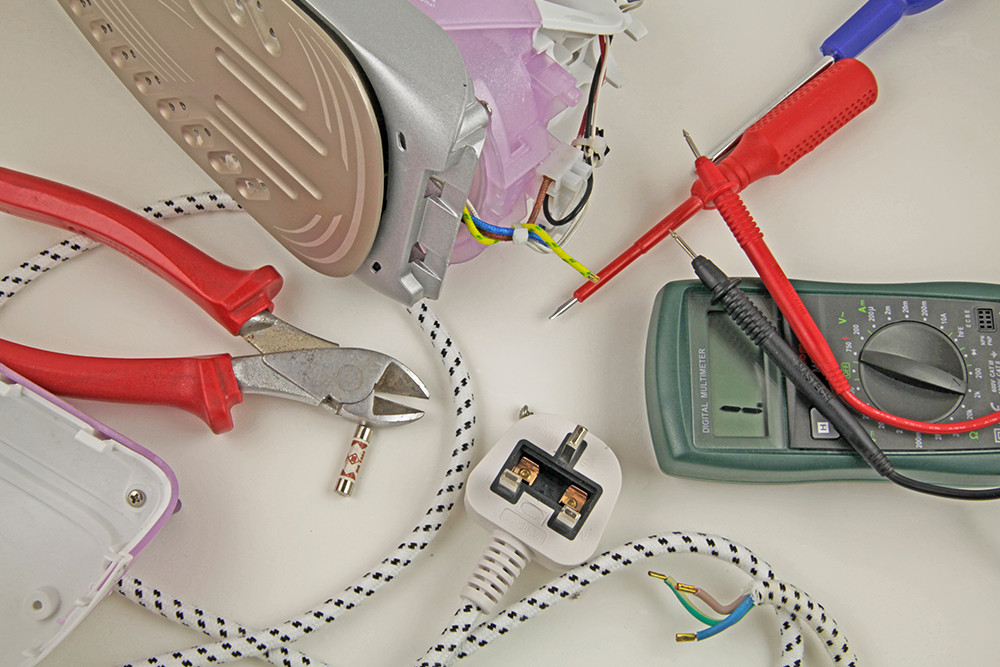
This step is done using a portable appliance tester. It’s only carried out by someone who’s competent to do so, has been adequately trained and has the correct testing equipment.
They must do a visual and a manual examination. A portable appliance testing device should be used. Earth continuity, insulation resistance and lead polarity must be tested. The testing device will show if an appliance passes or fails the PAT test.
If an appliance fails, it must be taken out of use until it can be repaired or discarded. If repaired, it would need to pass another PAT test before it’s safe to use again.
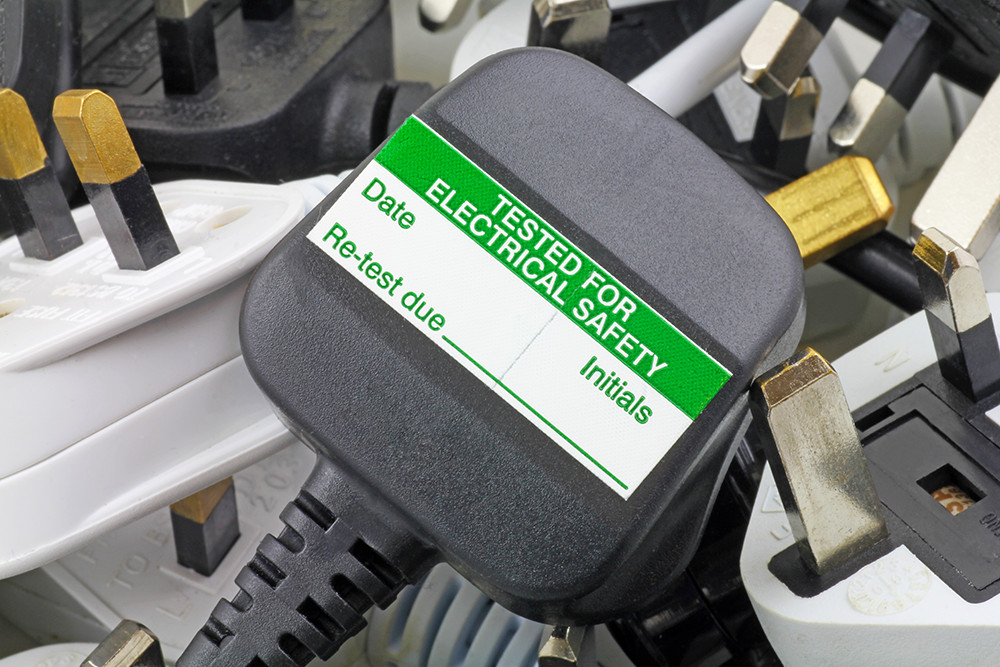
If it passes, a pass sticker that shows the pass date must be attached to the appliance.