Ammonia is a colourless gas with a pungent smell that is used in refrigeration, industrial processes and some cleaning products. At sufficient concentrations, it can injure the eyes, skin and respiratory system.
Accidental exposure can happen during routine work, maintenance or an unexpected leak. UK health and safety law requires employers to assess the risks and prevent or adequately control exposure.
This article explains the hazards of ammonia exposure at work and what employers must do to protect workers.
Ammonia is a chemical compound of nitrogen and hydrogen, with the formula NH₃. At room temperature, it is a colourless gas with a sharp smell. It dissolves readily in water, forming an alkaline solution that may be called aqueous ammonia or ammonium hydroxide.
Workplaces may encounter ammonia as a gas, a pressurised liquefied gas or an ingredient in a liquid product. Its uses include refrigeration, fertiliser production and certain cleaning applications (UKHSA, 2024).
Ammonia can harm workers through inhalation or contact with the eyes and skin. Its irritant and corrosive effects can range from temporary irritation to serious injury, depending on exposure.
Breathing high concentrations can damage the airways and lungs. Concentrated solutions can cause chemical burns, while splashes in the eye can cause permanent damage. Contact with liquefied ammonia can also cause cold burns (UKHSA Toxicological Overview, 2024).
The practical risk depends on concentration, exposure duration, ventilation and the effectiveness of controls. A short release during maintenance may require different precautions from routine use of a dilute cleaning product.
Mixing products introduces another hazard. Ammonia-containing cleaners must not be mixed with bleach. Sodium hypochlorite bleach can react with ammonia to form chloramines, which irritate the respiratory system (UKHSA, 2025).
Exposure depends on the task and equipment condition. Opening a sealed system can introduce additional risks.
Examples of hazardous exposure include:
- Breathing ammonia released by a refrigeration leak or during system servicing.
- Breathing airborne ammonia or getting splashes on the skin or in the eyes while pouring, diluting or using ammonia-containing cleaning products.
- Coming into contact with ammonia gas or concentrated solutions during transfers, process leaks or equipment opening in chemical or fertiliser manufacturing.
- Breathing ammonia released from animal waste in poorly ventilated animal housing.
- Unexpected releases affecting workers or contractors when opening pipework or equipment containing residual ammonia during maintenance or repairs.
Ammonia can be released from organic waste even where it has not been purchased as a chemical. Assessments therefore need to cover substances generated by work as well as products brought onto the site.
For cleaning tasks, check the actual ingredients and instructions. Some products contain ammonia; others do not. Human Focus’s guide to Safe Use of Cleaning Chemicals at Work explains the wider precautions for cleaning products.
Possible signs include:
- Stinging or watering eyes
- Irritation of the nose and throat
- Coughing, wheezing or difficulty breathing
- Skin irritation or chemical burns following contact
- Eye pain or changes in vision after a splash
These symptoms do not establish a diagnosis, but they should trigger the workplace exposure response. Workers should report symptoms and suspected exposure promptly.
Breathing difficulty or other severe symptoms require urgent medical assessment. An ammonia splash in the eye is a medical emergency. Serious respiratory effects can develop after the initial exposure, so apparent improvement should not be used to dismiss a significant incident (UKHSA Toxicological Overview, 2024).
In Great Britain, the Control of Substances Hazardous to Health Regulations 2002 require employers to assess the health risks of work involving ammonia. Exposure must be prevented where reasonably practicable or adequately controlled where prevention is not reasonably practicable (HSE COSHH ACOP). Northern Ireland has corresponding COSHH Regulations 2003.
An ammonia COSHH assessment should consider:
- The product or process, including concentration and physical form
- Routine work, cleaning, maintenance and foreseeable releases
- Who could be exposed, including contractors and nearby workers
- Inhalation, skin contact and eye contact
- Existing controls and any additional precautions needed
The assessment must reflect actual working conditions. For example, product information alone cannot establish whether pouring an ammonia solution in a poorly ventilated room is adequately controlled. Review assessments regularly and when changes or new findings suggest they are no longer valid (HSE Assessment Guidance).
A safety data sheet supplies information about hazards, handling, storage and emergencies. It informs the assessment but does not replace it. HSE explicitly distinguishes the two. Human Focus explains this in Difference Between Safety Data Sheets and COSHH Assessments.
HSE’s current EH40 publication lists these airborne limits for ammonia gas under the entry “Ammonia, anhydrous”:
- Long-term limit: 25 parts per million (ppm), or 18 mg/m³, averaged over an eight-hour reference period
- Short-term limit: 35 ppm, or 25 mg/m³, averaged over a 15-minute reference period
These limits do not address skin or eye contact. Meeting a WEL does not remove the need for other COSHH controls. Check HSE’s current limits when preparing or reviewing assessments.
Exposure must be monitored when the COSHH risk assessment shows measurement is necessary to ensure adequate control or protect workers’ health. For ammonia, this may mean checking exposure against a workplace exposure limit, investigating suspected control failure or assessing tasks where exposure is uncertain. Monitoring is not automatically required for every use.
COSHH Regulation 10 allows another method of evaluation where the employer can demonstrate that exposure is prevented or adequately controlled. Where monitoring is necessary, it must follow a suitable procedure and take place at appropriate regular intervals and when changes may affect exposure (HSE COSHH ACOP).
Monitoring may be needed to:
- Resolve uncertainty about exposure while completing the risk assessment
- Check compliance with the relevant WEL
- Investigate deteriorating containment or ventilation
- Check controls after changes to equipment, quantities or working methods
Smell is an unreliable measure. Workers can become less able to detect ammonia’s odour during prolonged exposure, so its presence or apparent absence cannot establish the exposure level (UKHSA Toxicological Overview, 2024).
Where specialist measurements are needed, use a competent occupational hygiene professional. The monitoring plan should cover relevant tasks, working conditions and exposure periods, including cleaning and maintenance where these could affect results.
Personal air sampling measures airborne contamination near a worker’s breathing zone. Fixed leak alarms and background readings serve different purposes and do not, by themselves, demonstrate personal exposure against a WEL. HSE’s Air Sampling Guidance explains how sampling should be planned and interpreted.
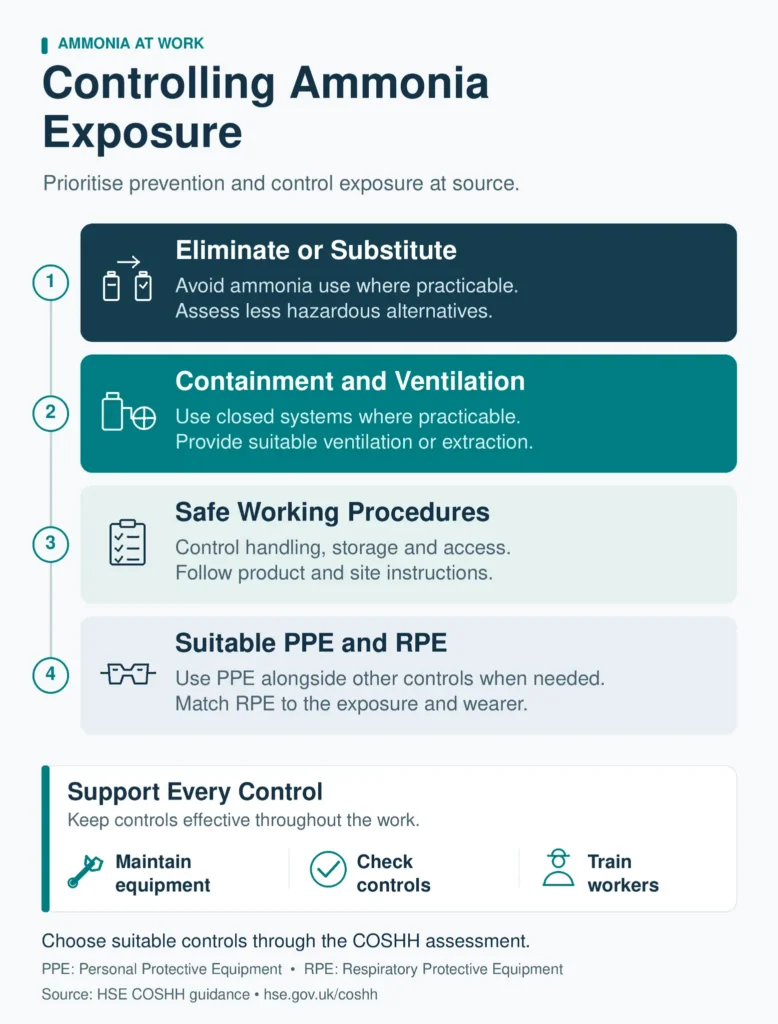
Controls should match the specific product, process and exposure routes. Follow the control hierarchy, starting with prevention and prioritising engineering measures over reliance on PPE.
Consider whether the task can avoid ammonia or use a less hazardous alternative. For cleaning, assess whether a suitable ammonia-free product can do the job. Check the replacement’s hazards rather than assuming it is safe because it contains no ammonia.
Keep ammonia within closed systems where practicable. Use suitable ventilation or local exhaust ventilation where the assessment requires it. Controls should prevent workers breathing releases during the actual task, including transfers and equipment opening (HSE Control Guidance).
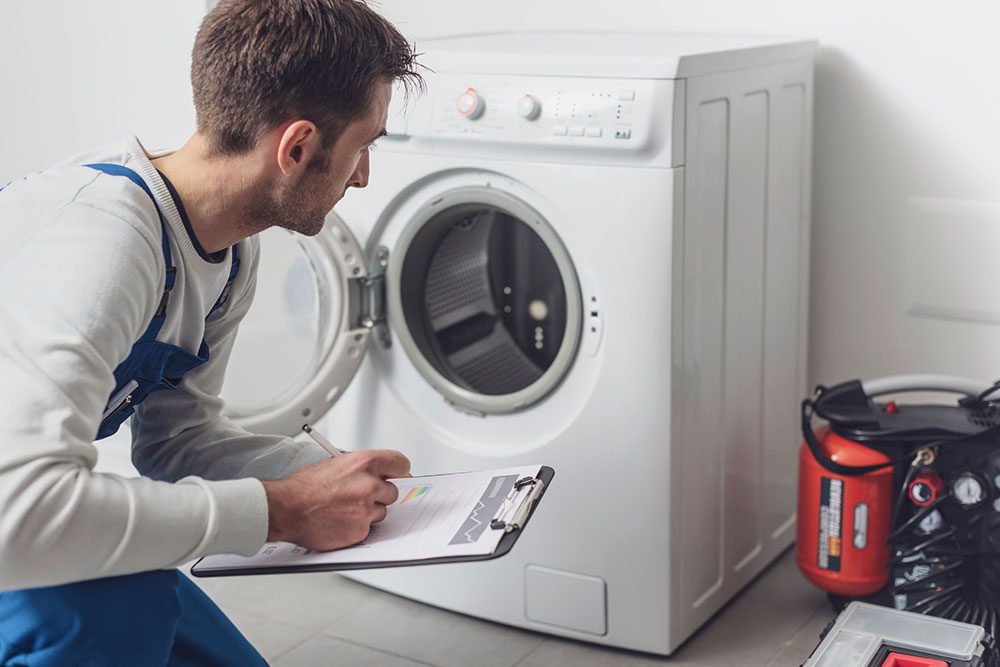
Inspect and maintain equipment, connections and control systems. For relevant refrigeration installations, provide suitable leak detection and ensure alarms have a clear response procedure. Maintenance should use planned isolation and safe working arrangements appropriate to the plant (HSE Refrigeration Guidance).
Keep products in suitable, clearly labelled containers and follow supplier instructions on storage and incompatible substances. Restrict access where necessary. For cleaning products, follow specified dilution and application instructions and prohibit unsafe mixing.
Human Focus’s guide to Handling, Storing and Disposing of Hazardous Substances provides wider guidance on these arrangements.
Select gloves, protective clothing and eye or face protection from the assessment. Where respiratory protective equipment is needed, it must suit the substance, exposure level and wearer. A dust-filtering mask does not protect against ammonia gas. Obtain appropriate advice on selection (HSE RPE Guidance). Tight-fitting respirators require face-fit testing.
Workers need to understand the hazards, required controls, reporting procedures and emergency arrangements. Human Focus’s online COSHH Training course supports general awareness of hazardous substances, handling and emergency procedures.
For cleaning teams, the online COSHH Training for Cleaners course covers chemical hazards, gloves, safe handling, dilution and unsafe combinations. Both should be supported by workplace-specific instruction and supervision.
Follow the site’s emergency plan and relevant safety data sheet. General priorities are:
- Raise the alarm. Report a suspected leak or exposure using the site’s arrangements.
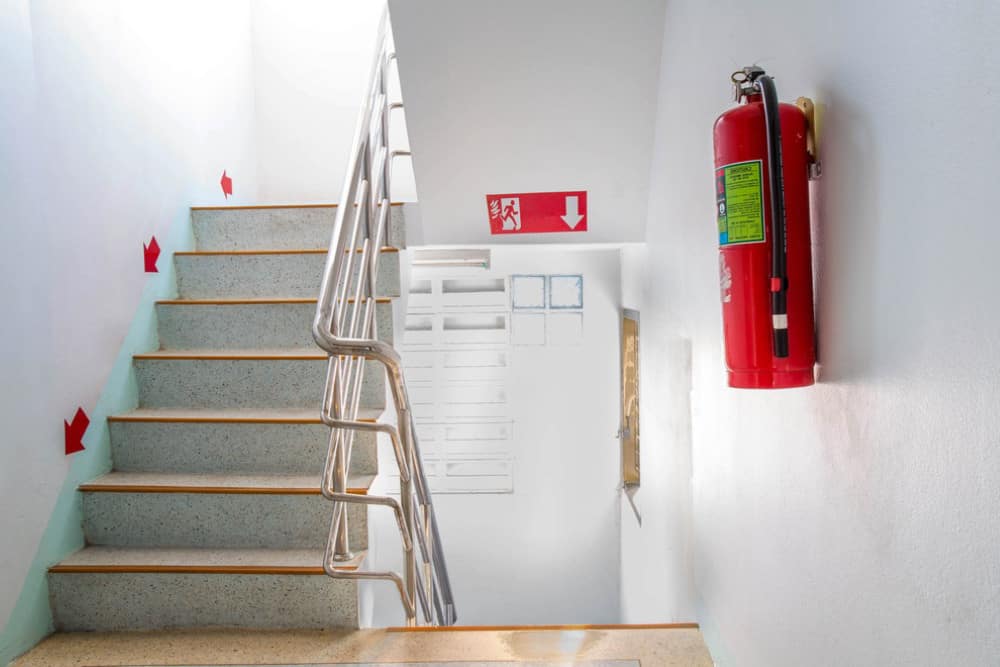
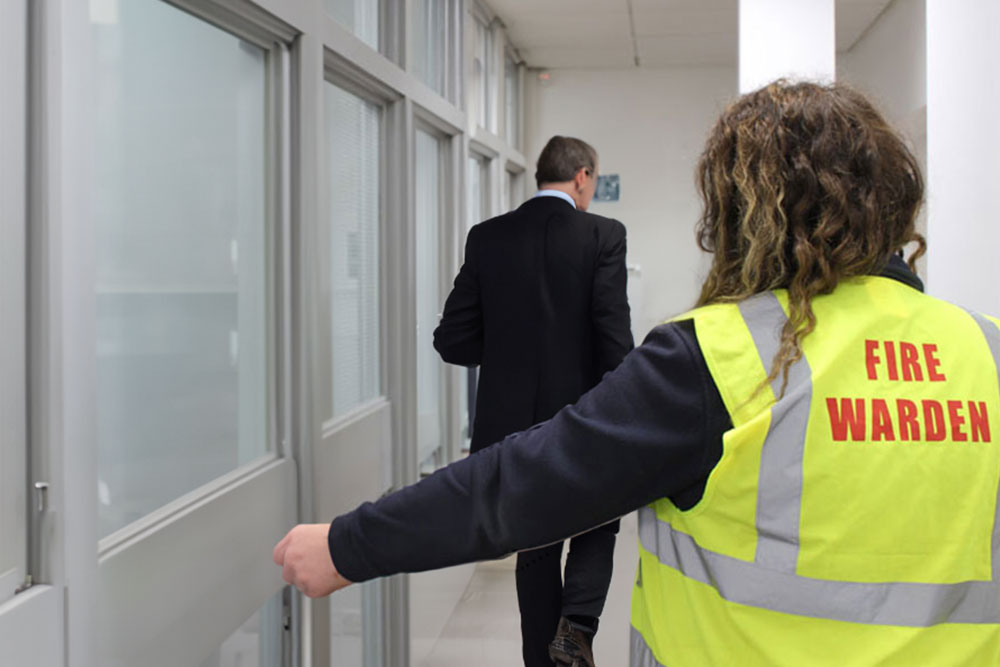
- Move away safely. Leave the affected area by the designated safe route and follow evacuation instructions. Do not enter a contaminated area to investigate or attempt a rescue without the required training and protection.
- Avoid untrained intervention. Only designated, trained personnel should attempt isolation or response actions. Do not improvise a clean-up or neutralise the release.
- Start appropriate first aid. For skin or eye contact, begin washing or irrigation promptly using the emergency facilities and follow the first-aid procedure. UKHSA advises washing affected skin and irrigating exposed eyes with water, followed by medical advice (UKHSA, 2024).
- Obtain medical help. Call 999 for breathing difficulty or other severe symptoms. Obtain urgent medical attention for an ammonia splash in the eye and follow medical advice after significant exposure (NHS, 2025).
Provide responders with product information where available, without delaying emergency help. Keep people away until the area has been assessed and authorised for re-entry.
Yes. Work involving ammonia requires assessment and prevention or adequate control of exposure where it presents a health risk.
The main health hazards are respiratory irritation or injury, eye damage and skin burns. Liquefied ammonia can also cause cold burns.
Yes, some cleaning products contain ammonia. Check the label and safety data sheet, and never mix ammonia-containing products with bleach.
When the assessment identifies a need, such as uncertain exposure, checking a WEL or verifying controls after process changes. A competent specialist should plan and interpret the measurements.
Managing ammonia risks requires suitable controls and workers who understand how to use them. Human Focus’s online COSHH Training course can support awareness of hazardous substances, safe handling and the importance of following emergency procedures.
Online awareness training cannot replace a workplace-specific COSHH assessment, practical instruction or specialist competence for ammonia systems and emergency response.