The Building Safety Act 2022 represents the most significant change to building safety legislation in 50 years. It overhauled the building safety regime in England and established a new regulatory framework for safer building design, construction and maintenance.
Professionals in construction and building safety have enhanced roles and responsibilities under the Act. Throughout a building’s lifecycle, duty holders must ensure robust safety standards are met, and critical information is shared with the Building Safety Regulator and other relevant parties.
This online Building Safety Act (BSA) Training course provides essential guidance on this landmark legislation and its implications for building maintenance, design and construction. It outlines duties, standards and roles and explains how different parties can ensure compliance with the BSA.
Are You Aware of Your Responsibilities?
The Building Safety Act introduces reforms for high-rise and other specified buildings. All individuals and organisations invested in high-rise building safety have enhanced responsibilities under the Building Safety Act.
At every stage of a building’s lifecycle, parties must cooperate and ensure residents’ safety. Specific responsibilities include:
- Assess and manage building safety risks
- Meet strict safety standards for building design, construction and maintenance
- Pass “gateways” – specific stages in construction that must be cleared to progress
- Maintain the “golden thread” – a chain of relevant building safety information
- Develop and maintain a “safety case” documenting how risks are managed
- Register high-rise buildings with the Building Safety Regulator
- Apply for and maintain a Building Assessment Certificate
- Prepare a resident engagement strategy
- Establish systems to manage and resolve residents’ complaints
If these responsibilities are not met, the Building Safety Regulator can take legal action. Penalties include compliance notices, unlimited fines or imprisonment for severe violations.
This online Building Safety Act Training course examines this landmark legislation and outlines the extended responsibilities, duties and standards it imposes on construction and building safety professionals. It ensures duty holders are aware of their enhanced role in building safety and understand how to comply with the Building Safety Act 2022.
How This Training Helps Your Organisation
This course helps organisations working with higher-risk buildings:
- Strengthen staff understanding of dutyholder responsibilities under the Building Safety Act 2022
- Improve consistency of building safety practices across design, construction and occupation
- Support the golden thread of information and competence requirements
- Reduce the risk of regulatory intervention by the Building Safety Regulator
- Help prevent the procedural and safety failures that lead to enforcement action
Course Features
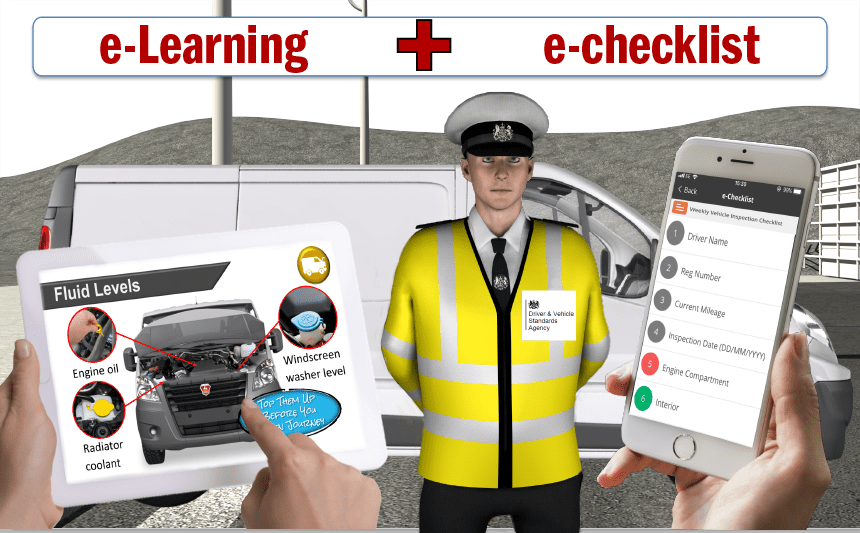
- Online, self-paced learning accessible at any time
- Compatible with desktop, tablet and mobile devices
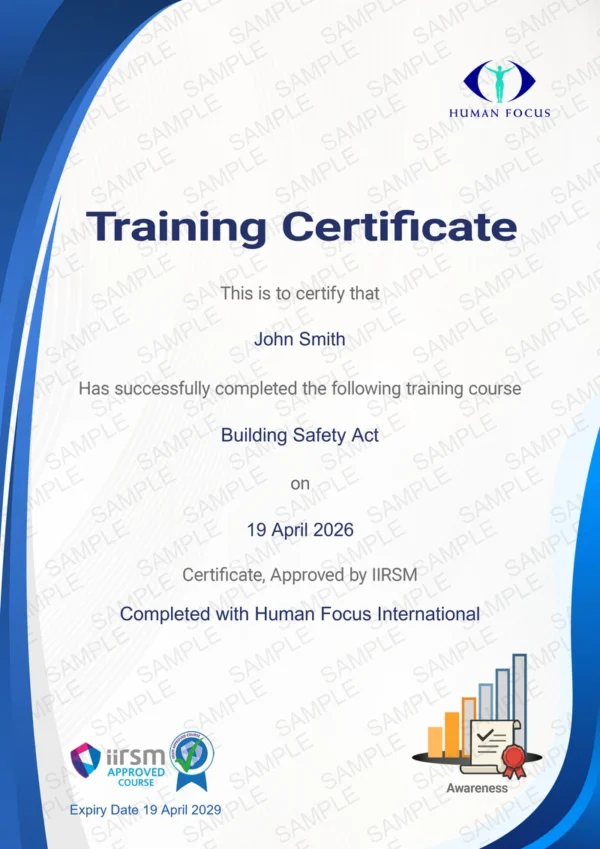
- Downloadable digital certificate on completion
- Training records stored automatically for audit and inspection
- Suitable for company-wide rollout across construction, design and building management teams
Certification
Learners who complete this BSA course and pass the assessment receive a certificate of completion. Training records are stored automatically, giving organisations a readily accessible record of staff training to demonstrate competence during audits, inspections and Building Safety Regulator scrutiny.
Compliance
The Building Safety Act 2022 introduces statutory duties for those who design, construct and manage higher-risk buildings. Dutyholders, including the Client, Principal Designer, Principal Contractor, Accountable Person and Principal Accountable Person, must ensure that staff carrying out building safety functions are competent for the work they perform.
This training supports compliance by helping staff understand:
- The scope of the Act and which buildings fall within the higher-risk definition
- The duties of each dutyholder role across design, construction and occupation
- The Gateway approval process and the role of the Building Safety Regulator
- Golden thread, mandatory occurrence reporting and resident engagement requirements
Maintaining records of completed BSA training also helps organisations evidence staff competence during audits, tendering and regulatory inspections.
Start Training Today
Give your teams a clear, practical understanding of the Building Safety Act and the duties it places on those who design, construct and manage higher-risk buildings. Training staff now helps strengthen building safety practices, supports compliance with the Act and reduces the risk of avoidable failures across your projects and portfolio.