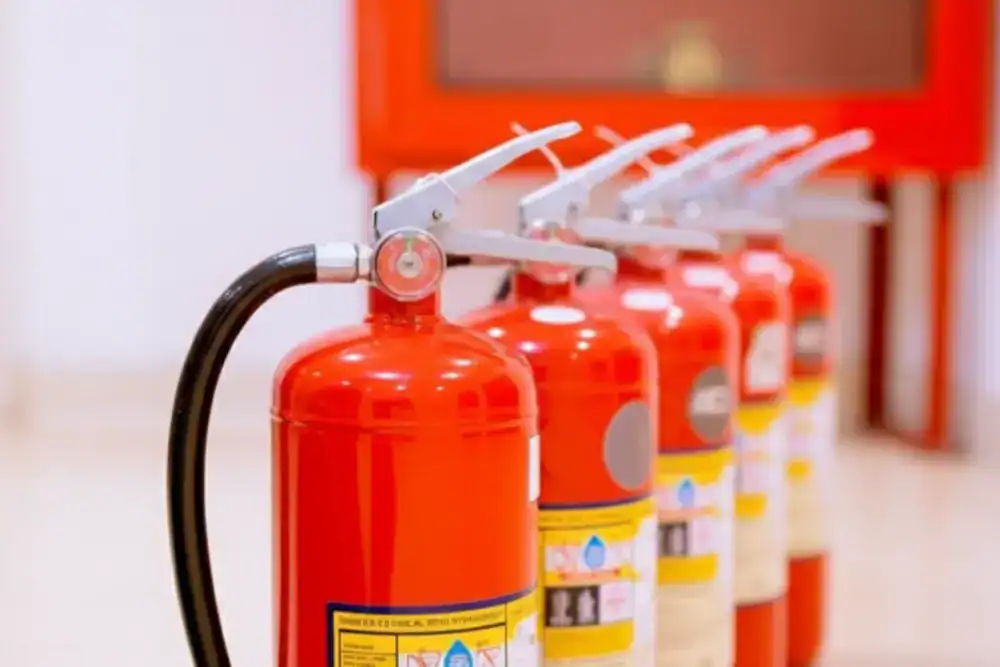
co2 fire extinguisher

CO₂ Fire Extinguisher: When & How to Use Them

In a real fire, people don’t have time to read labels. In smoke, noise and pressure, they need to recognise the right fire extinguisher instantly — because using the wrong…
what needs pat testing

What Needs PAT Testing – A Complete Guide

Portable appliance testing (PAT testing) is widely accepted as best practice in most industries. It’s a simple way for employers to ensure workplace electrical equipment is safe and maintained in…
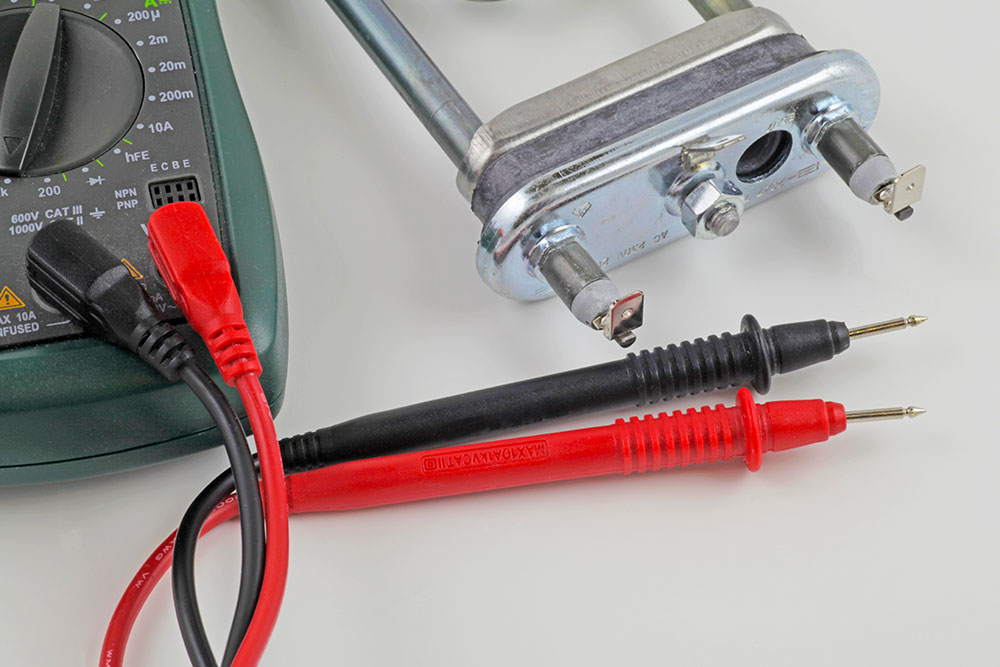
how to become a pat tester

How To Become a PAT Tester

You don’t have to be a certified electrician to perform PAT testing. But don’t rush off and buy your own machine yet. Because the law states that PAT tests can…
Why Has PAT Testing Changed Its Name to EET

Why Has PAT Testing Changed Its Name to EET?

Portable appliance testing (PAT) is now referred to as electrical equipment testing (EET). Why has the name changed? And has the process been updated? This blog explains why PAT is…
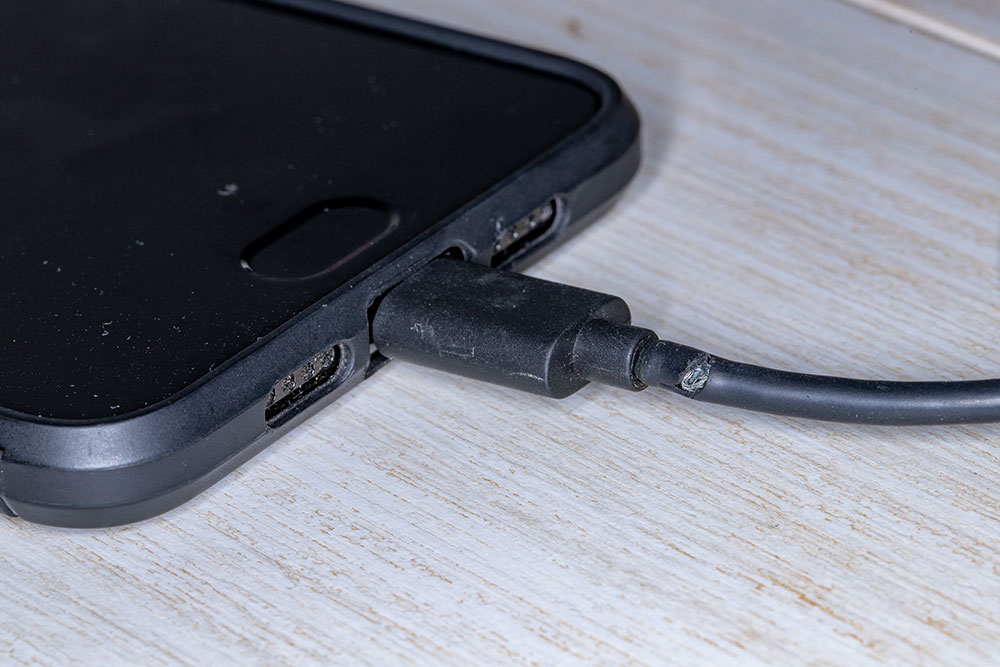
electrical burns

Electrical Burns: Risks, Types and Treatments

Electricity is dangerous. Every time you boil a kettle or switch on a plug, there’s a risk of electrical burns, shocks, and even fatal injuries. Of course, these incidents are…
electrical safety signs

Using Electrical Safety Signs in the Workplace

Electrical safety signs are commonly seen in UK workplaces. Similar to other warning signs, they’re used to alert people to electrical hazards, so they can act accordingly. And they’re required…
Can I PAT Test My Equipment

Can I PAT Test My Own Equipment?

Portable appliance testing (PAT) is widely accepted as the best way to ensure electrical devices are safe. But the cost of external testing may leave you wondering, ‘Can I PAT…
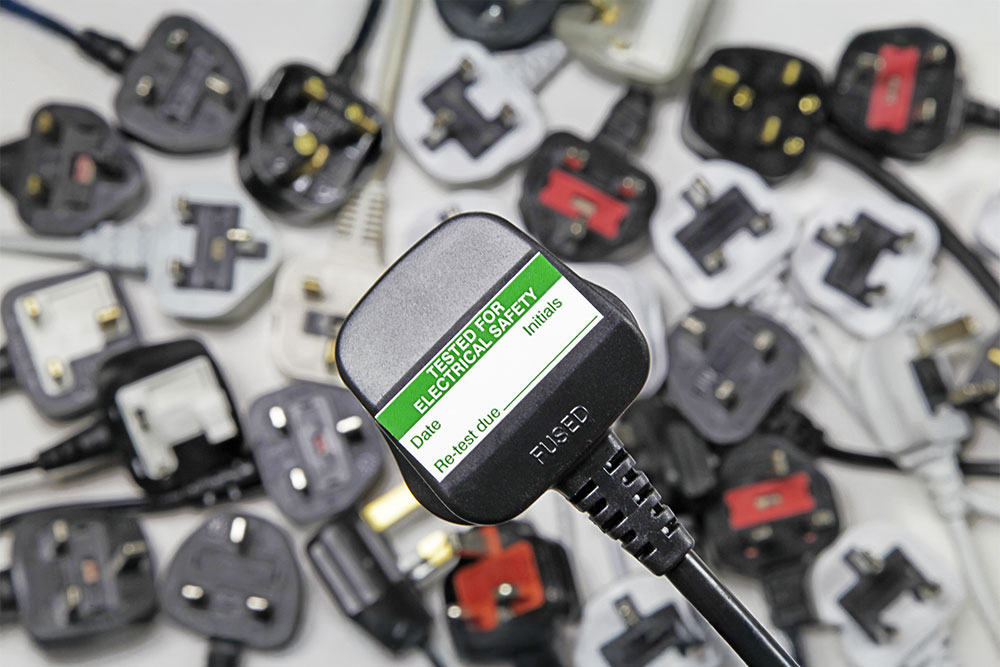
how often should pat testing done

How Often Should Pat Testing Be Done?

Have you ever wondered what those little labels attached to electrical equipment in the office, branded with ‘tested’ followed by a date, are for? That label signifies that a piece…