As a UK health and safety (H&S) officer, you’re not just managing hazards—you’re often pulled into issues that quickly become people problems: refusal to follow rules, conflict after incidents, grievances, or questions about fairness and reasonable adjustments.
That’s where employment law knowledge makes a measurable difference. With the right training, you’ll handle investigations, documentation and difficult conversations in a way that supports safety and reduces the risk of tribunal claims.
The Health and Safety at Work Act 1974 places significant responsibilities on employers to ensure workplace safety “so far as is reasonably practicable.” As a competent person appointed to assist with these duties, you’re often the first point of contact when issues arise. But here’s the challenge: many health and safety incidents have employment law implications.
Consider a scenario where an employee refuses to wear required personal protective equipment (PPE). Is this a safety matter requiring disciplinary action? What about an employee who claims they’ve developed a work-related illness—how do you balance investigation with their employment rights? These situations demand knowledge that spans both disciplines.
Employment law training equips you to understand:
- Employee rights and employer duties under UK legislation
- Disciplinary and grievance procedures that comply with Acas guidance
- Discrimination law and how it intersects with reasonable adjustments for safety
- Data protection requirements when handling incident reports and health surveillance
- Working time regulations that affect shift patterns and fatigue management
It also helps to understand protections linked to health and safety concerns—for example, workers are protected from detriment or dismissal in certain health and safety situations (including where they reasonably believe there is serious and imminent danger).
Without this foundation, you risk making decisions that, while well-intentioned from a safety perspective, could expose your organisation to employment tribunal claims.
Just as importantly, you need to understand consultation and representation duties—when to involve employee or safety reps, how to document decisions, and how to keep processes fair to reduce dispute risk.
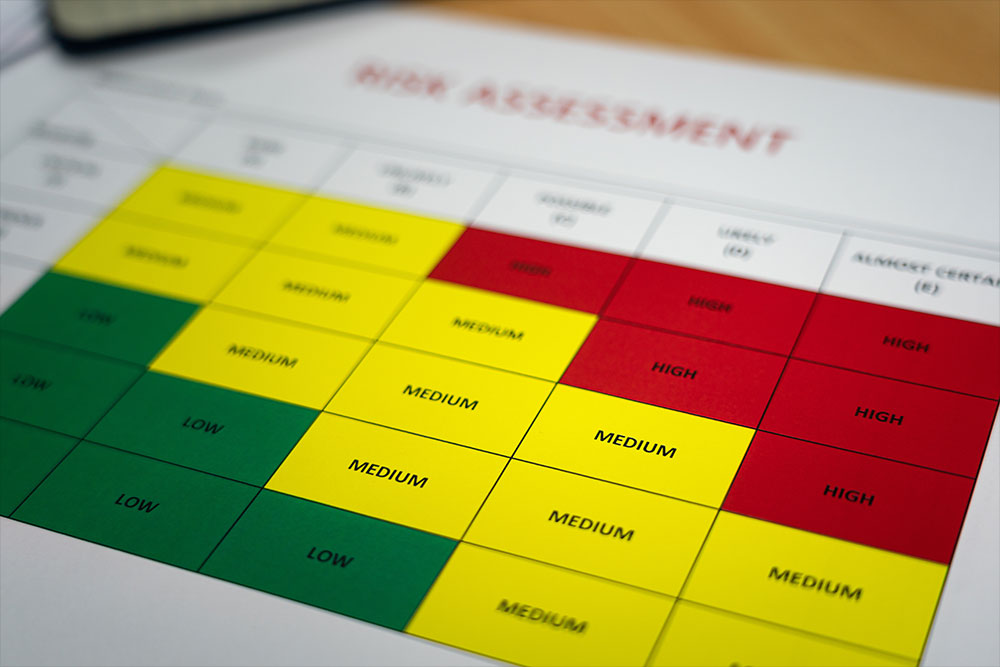
Under the Management of Health and Safety at Work Regulations 1999, you’re tasked with conducting risk assessments, implementing control measures, and ensuring employees receive adequate training. But employment law adds another layer: you must do all of this while respecting workers’ rights to fair treatment, privacy, and dignity at work.
UK employment law is shifting quickly. The Employment Rights Act 2025 became law on 18 December 2025, with many measures expected to roll out through 2026 and 2027—so it’s a prompt for organisations to review how safety processes (investigations, policies, shift planning) interact with HR procedures. Most of the Act’s changes have not happened yet.
Separately, since 6 April 2024, employees have had the statutory right to request flexible working from day one—which can affect fatigue management, shift design and risk controls in safety-critical roles.
This is a right to request: employees can make two statutory requests in any 12-month period and employers must respond within two months.
When accidents or near-misses occur, your investigation must be thorough yet legally compliant. This involves understanding:
- How to conduct interviews without infringing on employment rights
- The importance of confidentiality and UK GDPR and the Data Protection Act 2018 compliance when documenting incidents, including special category (health) data (requiring an Article 6 lawful basis and an Article 9 condition)
- When and how to involve HR or legal advisers
- The distinction between capability and conduct issues when safety rules are breached
HR compliance training that covers these intersections can be invaluable for building your confidence and competence.
From 26 October 2024, employers must take reasonable steps to prevent sexual harassment at work. Tribunals can increase compensation by up to 25% if the preventative duty is breached.
For H&S teams, this often looks like proactive risk control: identifying higher-risk settings (lone working, client sites, social events, power imbalances), strengthening reporting routes, and ensuring investigations are fair, confidential and properly documented.
Look for training that uses real H&S scenarios (PPE refusal, fatigue, reasonable adjustments) and includes practical templates/checklists you can apply immediately in investigations and policy reviews.
Digital learning platforms have revolutionised compliance training, offering flexibility and accessibility that traditional classroom sessions can’t match. Certified eLearning courses allow you to study at your own pace, revisiting complex topics as needed while balancing your day-to-day responsibilities.
If you’re looking for a flexible option, eLearning can be a practical way to build competence without taking time out of operational work. Human Focus offers 300+ certified courses across H&S, HR and compliance, with LMS reporting to help evidence completion for audits.
Generic employment law courses are useful, but training tailored to your sector delivers greater value. Whether you work in construction, healthcare, manufacturing, or education, sector-specific content addresses the unique challenges you face. For example, understanding the working time regulations is critical in healthcare settings where shift patterns affect both safety and compliance.
For those seeking formal recognition of their expertise, accredited qualifications from bodies like NEBOSH, IOSH, or the CIPD provide comprehensive coverage of relevant topics. IOSH courses, for instance, integrate employment law considerations into their health and safety curricula, ensuring you develop a holistic understanding of your responsibilities.
Start by identifying gaps in your knowledge. Are you confident in handling disciplinary procedures? Do you understand the legal requirements for consulting with employee representatives? An honest self-assessment helps you focus your training efforts where they’re needed most.
Organisations like the Institution of Occupational Safety and Health (IOSH) and the Chartered Institute of Personnel and Development (CIPD) offer resources, webinars, and networking opportunities that keep you informed about legislative changes and best practices.
Training is only valuable if it changes how you work. After completing a course, look for opportunities to apply your new knowledge—whether that’s updating safety policies to align with employment law, improving your incident investigation process, or mentoring colleagues.
Modern Learning Management Systems do more than deliver courses; they provide analytics, automated reporting, and integration with other HR systems. This technology streamlines compliance tracking and ensures your training records are audit-ready.
Employment law is constantly evolving. The Employment Rights Act 2025 is just one example of how the legal landscape shifts, creating new obligations for employers and those who advise them. Subscribing to updates from the Health and Safety Executive (HSE), Acas, and specialised training providers ensures you’re never caught off-guard by regulatory changes.
Measuring regulatory compliance requires both robust systems and current knowledge. Make it a habit to review your competence annually, incorporating new training as legislation develops.
Investing in employment law training isn’t just about ticking compliance boxes—it’s about risk management. Employment tribunal claims can cost thousands of pounds, not to mention the reputational damage. Meanwhile, effective training reduces incidents, improves employee morale, and demonstrates to regulators that your organisation takes its duties seriously.
For HR managers and compliance leads, partnering with a provider that offers comprehensive employment law and safety training solutions delivers peace of mind. You gain access to expert content, proof of completion for audits, and the confidence that your team is equipped to handle complex situations.
As a health and safety officer, your role is more critical than ever. The intersection of health and safety with employment law creates both challenges and opportunities—the opportunity to build a safer, fairer workplace where employees thrive and organisations prosper.
By embracing comprehensive training solutions, staying curious about legislative changes, and applying your knowledge consistently, you position yourself as an indispensable asset to your organisation. The investment in your professional development pays dividends in reduced risk, enhanced credibility, and the satisfaction of knowing you’re making a real difference.
What steps will you take today to strengthen your employment law knowledge? Whether it’s enrolling in an online course, joining a professional network, or simply starting a conversation with your HR team, every action brings you closer to mastery of this vital skillset.