A whole-school allergy policy only protects pupils when staff know how to apply it during everyday school activities. Staff need to recognise warning signs, find emergency medication, check a pupil’s individual healthcare plan where one exists and escalate quickly when a reaction starts.
Allergic reactions are not limited to lunchtimes or pupils with known allergies. A reaction can begin in a classroom, club, school trip, wraparound care setting or after food is brought in from home. Any member of staff may be the first adult to spot the signs.
Existing law already places allergy-related duties on schools. Your school must:
- Carry out risk assessments that include allergen risks
- Have a policy for supporting pupils with medical conditions
- Put appropriate arrangements in place for pupils with known allergies
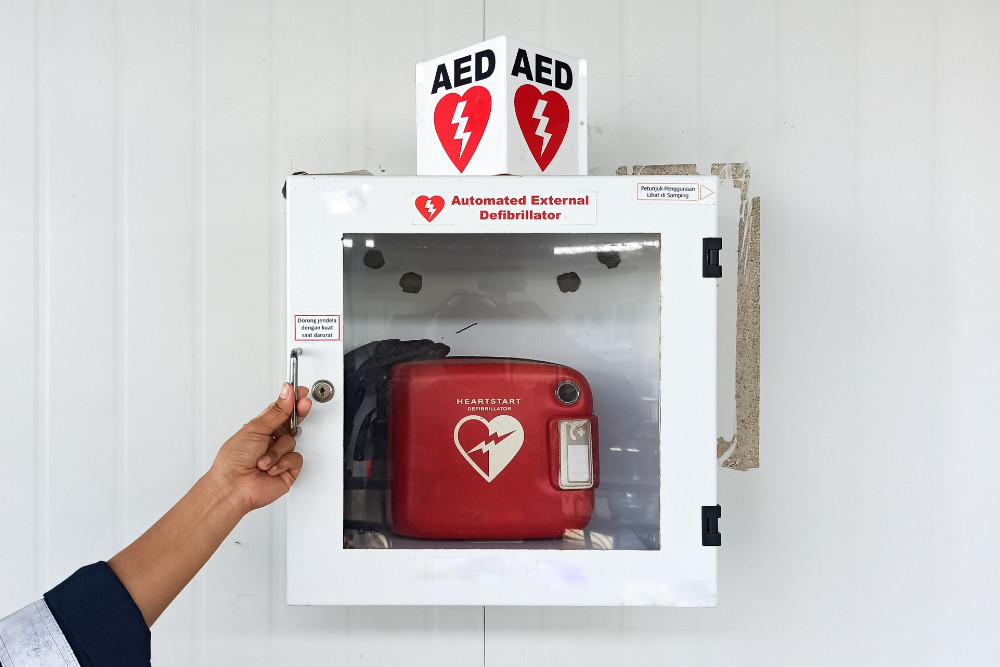
- Have clear arrangements for emergency medication
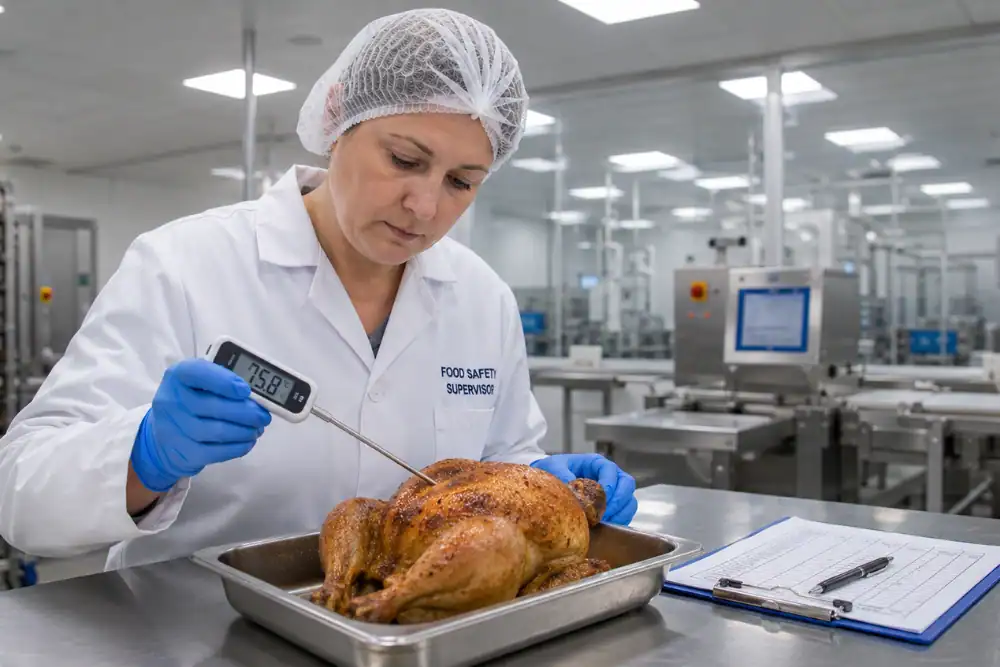
- Label any pre-packed for direct sale (PPDS) food the school or its caterer produces
The allergy & anaphylaxis awareness course for school staff links these duties to the laws behind them, including the Health and Safety at Work Act 1974, the Management of Health and Safety at Work Regulations 1999 and the Children and Families Act 2014. It also covers Natasha’s Law, the Food Information (Amendment) (England) Regulations 2019, which governs allergen labelling for pre-packed food prepared and sold on the same premises.
New statutory requirements commonly known as Benedict’s Law go further, requiring allergy awareness training for every member of school staff from September 2026. Individual staff are also expected to be aware of allergen risks, follow school procedures and act quickly in an emergency.
Managing this risk consistently depends on every adult in the school knowing their role before a reaction starts.
How Allergy and Anaphylaxis Training for Schools Helps Your Organisation
This allergy and anaphylaxis training helps schools:
- Give staff in every role a shared understanding of their part in allergy safety.
- Improve consistency in how allergy risks are managed across classes, clubs and mealtimes.
- Reinforce your allergy policy, individual healthcare plans and emergency procedures.
- Support compliance with Benedict’s Law and existing allergy duties.
- Reduce the risk of a reaction being missed or managed inconsistently as part of wider controls.
This makes allergy safety a shared, everyday responsibility, rather than something left to chance.
Prepare Every Member of Your Staff for an Allergic Emergency
With the September 2026 duty approaching, now is the time to train your whole team. Give staff the awareness they need to recognise a reaction, follow your procedures and respond quickly in an emergency. Start your allergy and anaphylaxis training today.