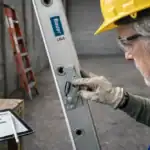
Working at heights is dangerous. Using the right equipment is vital to staying safe. Roof ladders are made to give you stability and support on sloped surfaces. Whether you’re doing maintenance, repairs or installations, knowing how to use a roof ladder properly can prevent accidents and injuries.
This guide will explain how to use a roof ladder safely. It’s aimed at workers and provides clear instructions and safety tips. You’ll also learn about the UK laws that govern roof work, so you know the rules you and your employer must follow.
When working with roof ladders, it’s important to know the regulations that keep you safe. In the UK, two main sets of regulations apply: the Work at Height Regulations 2005 (WAH) and the Provision and Use of Work Equipment Regulations 1998 (PUWER).
The Work at Height Regulations are designed to prevent falls and injuries. Under these regulations, employers must ensure all work at height has been risk assessed and made safe. Employers must also:
- Use ladders only when there are no safer methods of working at height.
- Ensure the work is planned and carried out by competent workers.
- Provide the right (i.e. safe) equipment for the job.
- Provide training and instructions to workers.
Workers also have duties under WAH. You must:
- Follow the instructions and training provided.
- Report any hazards or equipment issues to your employer.
- Check equipment before using it.
- Use all equipment correctly.
PUWER rules ensure that all work equipment, including ladders, is safe to use. They require that:
- Employers provide suitable work equipment and relevant training.
- Employees use the equipment correctly.
- Regular checks and maintenance are carried out to keep equipment in good condition.
Before using any ladder, you must be sure all of these conditions have been met. If you don’t think a roof ladder is right for the task or doubt the ladder you’re using is safe, postpone the work until these issues have been resolved.
Before we cover the specifics, it’s crucial to note that workers must be competent to use a ladder of any type, from step to suspended ladders.
Competence requires knowledge, hands-on experience and proper training. While these instructions will help you set up a roof ladder, they’re not enough on their own to ensure complete safety. Make sure you have adequate experience or are working under the supervision of someone competent.
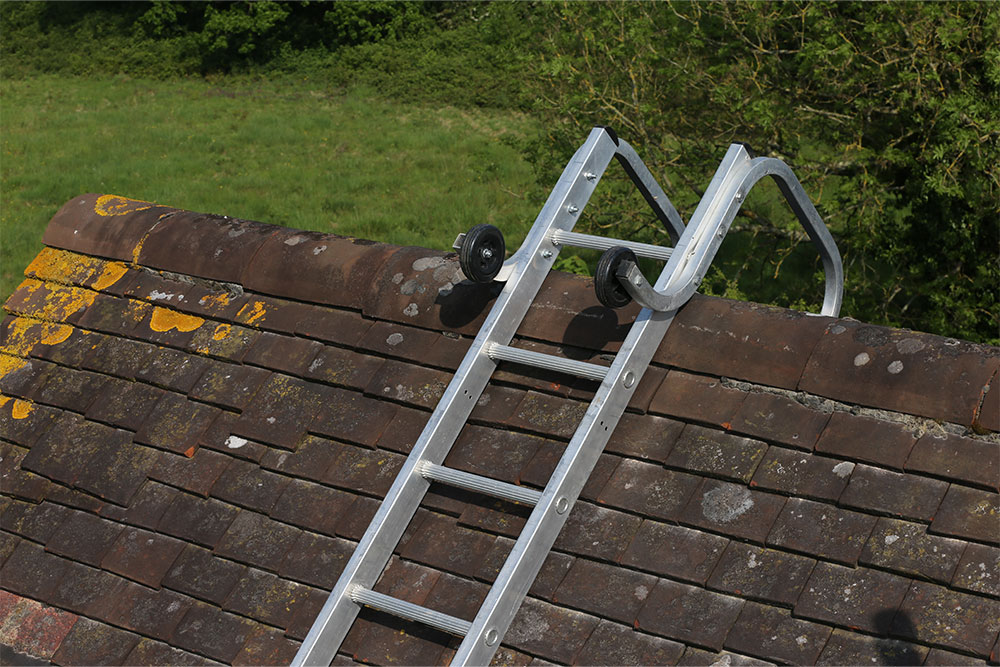
A roof ladder is a type of ladder that hooks over the ridge of a pitched roof. It has wheels at the top to help you position it without damaging the roof tiles. Once in place, the hooks keep it secure so you can work safely.
- Ridge Hook: This secures the ladder to the roof ridge.
- Wheels: These help you move the ladder into position without causing damage.
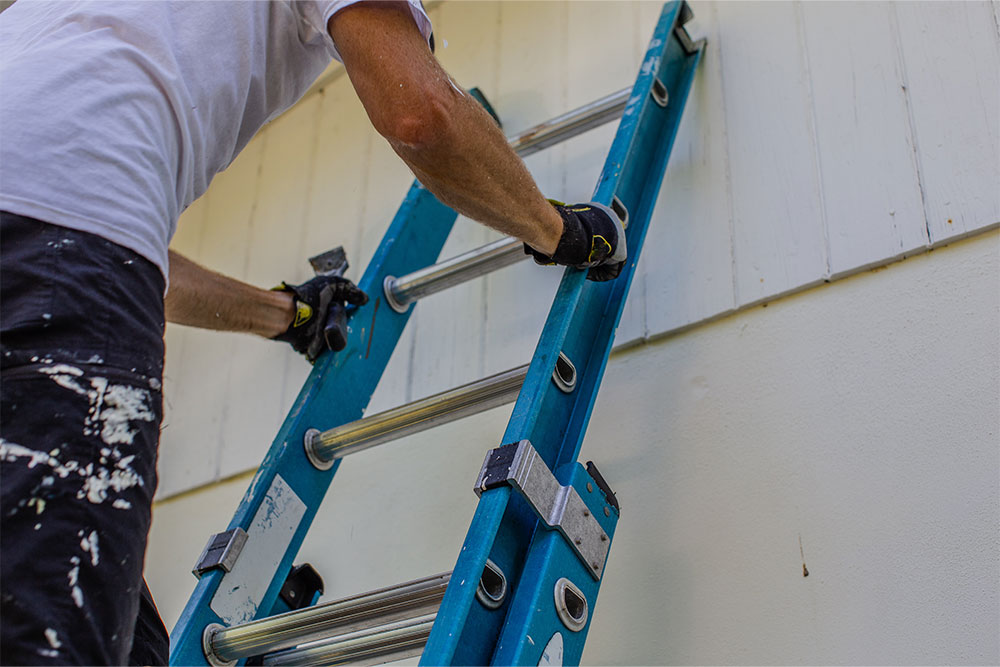
- Rungs: These are the steps you climb. They should be non-slip to prevent falls.
- Stiles/Side Rails: These provide the structure and support for the ladder.
Roof ladders are designed solely for work on roofs with a pitch angle between 25 and 65 degrees. You also can’t use roof ladders to replace a step or leaning ladder.
Before you start the work, refer to the risk assessment. It’s also essential to perform your own checks of the area and equipment for any hazards.
Your employer must provide equipment suitable for the task, as required by PUWER. The roof ladder should be in good working order, long enough for the roof and durable enough to support your weight and any equipment. Roof ladders should comply with the relevant British Standard.
A competent person should have conducted a risk assessment before roof work begins. Make sure you review it and follow the control measures.
You should also assess the work yourself. Conditions on the day might have changed, or something might have been missed.
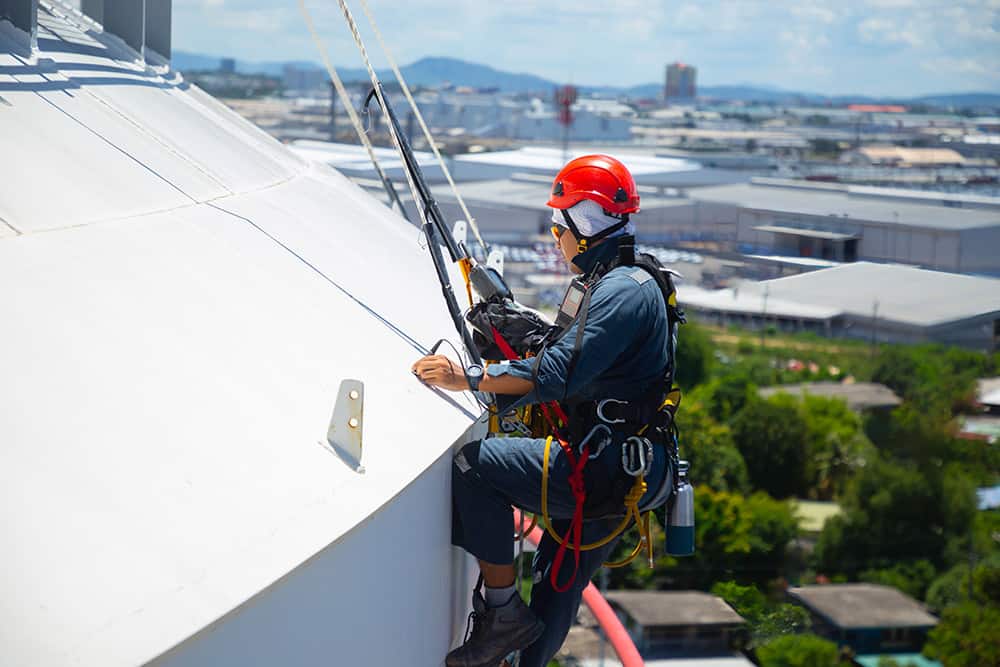
Maintaining three points of contact on a roof ladder can be challenging, so safety harnesses are strongly advised. Along with harnesses, standard gear such as helmets and gloves are essential. The risk assessment will determine what PPE is necessary to keep you safe.
If PPE is required, your employer must provide it free of charge, in good condition and with adequate training on its use. These are all legal requirements under the Personal Protective Equipment at Work Regulations 2022.
Before using the ladder, you must know it has been recently examined by a competent person. A record of this inspection should prove it’s in a safe condition.
You must also conduct your own pre-use check:
- Look for Damage: Scan for cracks, bends or other signs of wear and tear.
- Check Stability: Make sure the ladder feels stable and secure when set up on the ground.
- Test the Hooks and Wheels: Ensure the hooks are not bent and the wheels turn freely without resistance.
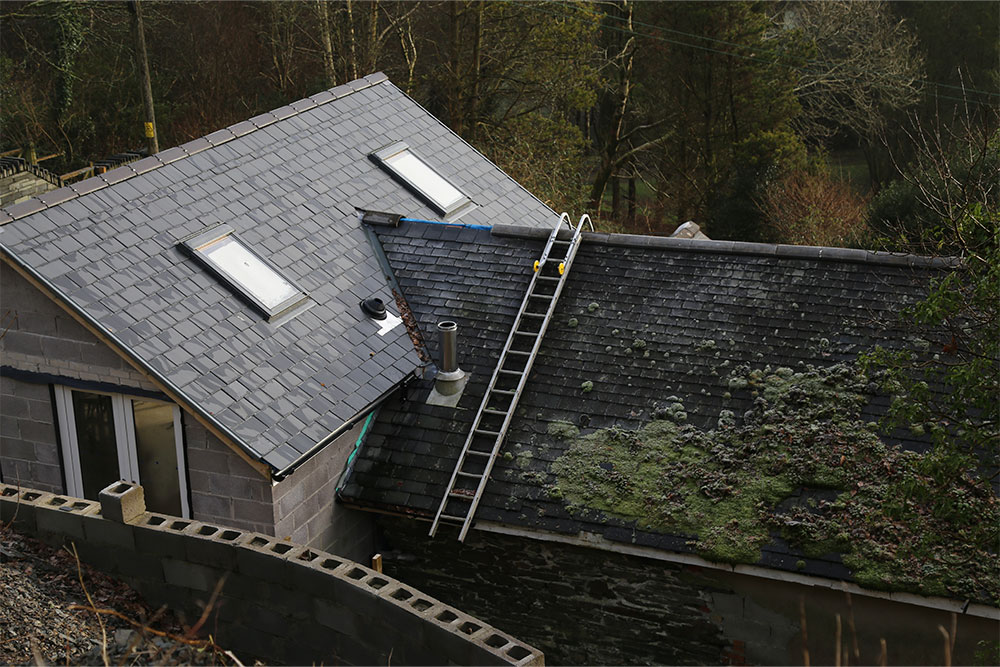
You’ll need two ladders: a leaning ladder to reach the roof and a roof ladder to work on the roof itself. Follow these steps to ensure both ladders are securely positioned and ready for use.
Taking down the roof ladder reverses the steps used to set it up.
- Crawl Backwards Down the Roof Ladder: Maintain three points of contact as you crawl backwards, gripping the rungs with your hands.
- Transfer to the Leaning Ladder: Once at the bottom of the roof ladder, carefully transfer back to the leaning ladder, ensuring a firm grip.
- Unhook the Roof Ladder: Unhook the roof ladder from the ridge and flip it over so the wheels are in contact with the roof.
Knowing how to use a roof ladder safely is crucial, but it’s only part of staying safe. It’s equally important to ensure that your equipment has been inspected and confirmed as suitable.
Our Ladder Inspection Training course provides the knowledge and skills to properly inspect ladders and confirm they’re safe for use.
Through this course, you’ll learn to:
- Identify potential hazards and defects in ladders.
- Conduct thorough inspections in line with PUWER requirements.
- Confirm that your ladders are suitable and safe.
Good technique and well-maintained equipment go hand in hand for safe roof work. Improve safety and compliance by enrolling in our Ladder Inspection Training course today.