Many managers assume dismissal is the hardest conversation. In practice, the earlier conversations about performance, behaviour or expectations are often the ones managers delay. These are the conversations managers put off.
This avoidance, however, is costly. Acas-commissioned research estimated that UK organisations deal with around 1.7 million formal disciplinary cases a year, based on pre-pandemic workplace conflict data and published assumptions.
At the same time, CIPD research suggests performance management is often inconsistent, with fewer than a third of employees experiencing systematic performance management.
Some formal issues will have started as lower-level concerns that could have been addressed earlier — before they escalated into grievances, resignations or disciplinary processes.
This training gives managers a clear, repeatable method for handling difficult conversations early and professionally, so issues can be addressed while they are still small.
How This Training Helps Your Workplace
Most workplace problems don’t announce themselves. A reliable employee starts missing deadlines. A team member goes quiet after a decision they disagreed with. Two colleagues stop speaking and everyone works around the gap. Each is a conversation waiting to happen — and harder the longer it’s left.
Handled early, many issues can be resolved informally before they need formal action. Left too long, the same issue becomes a formal disciplinary, a resignation the team can’t afford, or a grievance that pulls in HR and weeks of management time.
The law raises the stakes, too. Under the Acas Code of Practice on Disciplinary and Grievance Procedures, employment tribunals can increase relevant awards by up to 25% where an employer unreasonably fails to follow the Code.
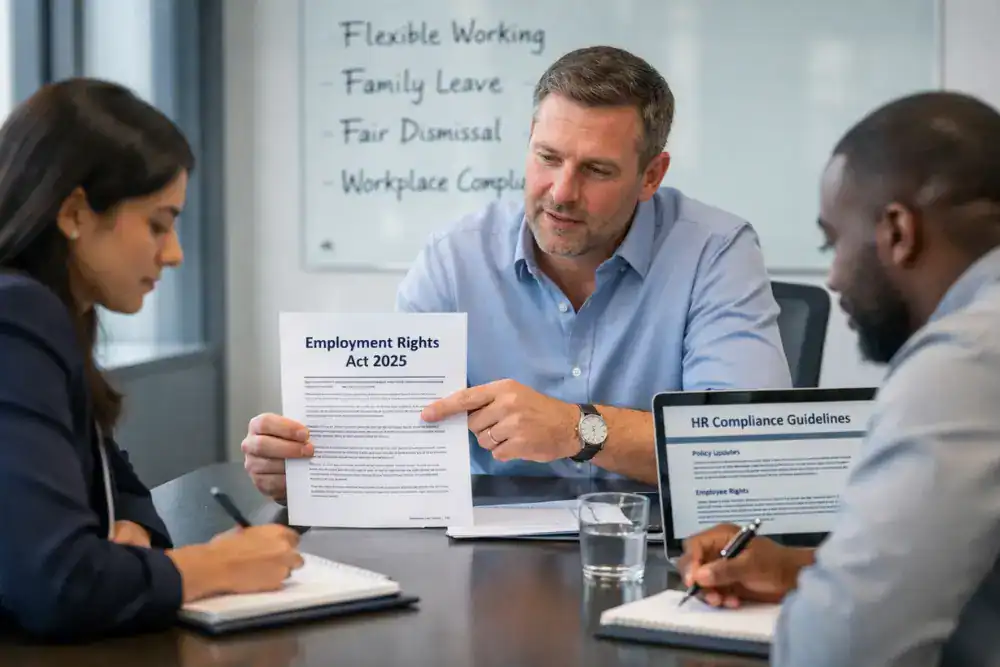
From 1 January 2027, the Employment Rights Act 2025 will reduce the qualifying period for ordinary unfair dismissal protection from two years to six months in England, Scotland and Wales. It will also remove the statutory cap on compensatory awards, although awards will continue to be calculated by reference to proven actual and projected losses.
When managers are equipped to handle these conversations well, organisations can benefit from:
- Issues resolved earlier, with fewer reaching formal disciplinary or grievance procedures
- Lower staff turnover, particularly among employees who would otherwise resign over unresolved conflict or unclear expectations
- A stronger feedback culture, where regular constructive conversations replace the once-a-year appraisal, or no appraisal at all
- Reduced tribunal and legal risk, with managers better placed to follow fair, well-documented processes
- Better team morale and productivity, as problems are addressed honestly rather than left to fester
For managers themselves, the benefit is more immediate: fewer conversations they’re dreading, and more that actually move things forward.