When you’re running a small or medium-sized enterprise, juggling compliance obligations alongside everyday business pressures can feel overwhelming. I’ve spoken to countless HR managers and compliance leads who share the same concern: finding health and safety training that’s not only legally sound but also practical, accessible, and won’t break the bank.
The good news? There’s never been a better time to invest in accredited health and safety training, with flexible online solutions tailored specifically for SMEs.
Let me be clear—accreditation isn’t just a box-ticking exercise. When your training carries the stamp of respected bodies like IOSH (Institution of Occupational Safety and Health), NEBOSH (National Examination Board in Occupational Safety and Health), or RoSPA (Royal Society for the Prevention of Accidents), you’re investing in content that meets internationally recognised standards. This means legal defensibility if an incident occurs, confidence when bidding for contracts, and most importantly, proof that your team genuinely understands their safety responsibilities.
For SMEs, this is particularly crucial. Many procurement processes now require evidence of health and safety competence. Without accredited training records, you could find yourself excluded from valuable tender opportunities before you’ve even had a chance to compete.
If I had to recommend one course for managers and supervisors, it would be IOSH Managing Safely. This globally recognised qualification is designed specifically for people with management or supervisory responsibilities who need a practical understanding of health and safety. It covers risk assessment, incident investigation, and how to foster a positive safety culture—all delivered in a way that connects directly to your daily operations.
The course typically takes three to four days (or the equivalent in flexible online modules). What makes it stand out is its strong business focus—it’s not abstract theory, but a real-world application that helps you protect your team while keeping productivity on track.
For frontline employees, IOSH Working Safely is the ideal introduction to workplace safety. It’s a shorter, one-day course (or online equivalent) that gives everyone in your team a solid foundation in spotting hazards, understanding their responsibilities, and working safely. Rolling this out across your workforce creates a shared safety language and demonstrates your commitment to employee wellbeing.
If your business operates in higher-risk sectors—manufacturing, construction, logistics—the NEBOSH General Certificate is widely considered the gold standard. It’s more in-depth than IOSH courses and equips safety officers or those moving into dedicated health and safety roles with comprehensive knowledge of legal frameworks, risk management systems, and practical control measures. While it requires a greater time investment (around 10 days of study), the return in terms of competence and credibility is unmatched.
Beyond the headline qualifications, every SME needs a suite of core compliance courses. These typically include:
- Fire Safety Training: Mandatory for virtually all workplaces, covering fire prevention, evacuation procedures, and the use of fire extinguishers.
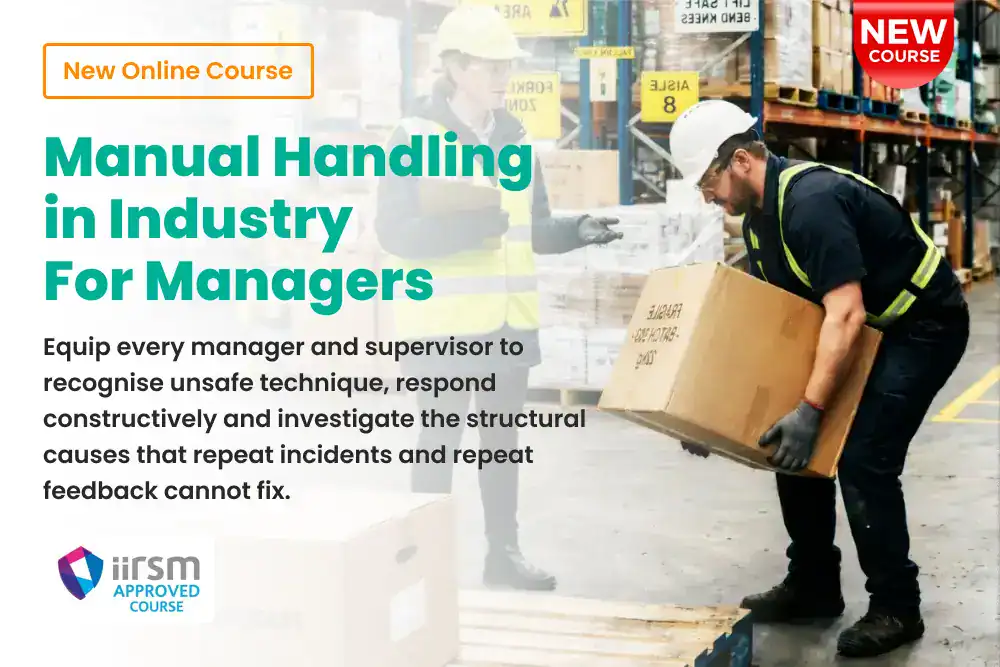
- Manual Handling: Essential for reducing musculoskeletal injuries—one of the most common causes of workplace absence.
- COSHH (Control of Substances Hazardous to Health): Critical if your team handles chemicals, cleaning products, or other hazardous materials.
- Risk Assessment Training: The foundation of all health and safety management, teaching your team to identify and control workplace hazards.
- First Aid at Work: In the UK, employers must provide adequate and appropriate first-aid equipment, facilities, and personnel (training depends on your needs assessment).
Many providers, including Human Focus, offer these courses with a fully equipped Learning Management System (LMS) designed specifically for small business health and safety training needs.
The market is crowded, so here are the key factors to weigh when selecting a training partner:
Flexibility and Accessibility: Can your team access training 24/7 on desktop, tablet, and mobile? For busy SMEs, the ability to train at a time and place that suits your operations is non-negotiable.
Progress Tracking and Records Management: You need a robust Learning Management System (LMS) that automatically tracks who’s completed which courses, when certificates expire, and what evidence you can present to auditors or clients. Human Focus, for example, provides a comprehensive suite of over 300 certified courses with built-in progress tracking and automated reporting—essential for demonstrating compliance without administrative headaches.
Accreditation and Recognition: Always verify that courses are accredited by recognised bodies. Look for IOSH approval, CPD certification, or alignment with ISO 45001 standards.
Cost-Effectiveness: As an SME, you need value for money. Many providers offer bulk-purchase discounts or annual subscriptions that make per-user costs much more manageable. Compare total cost of ownership, not just headline prices.
Support and Updates: Regulations change. Your provider should keep course content current and offer responsive customer support when you need guidance.
I’ve learned that the best training programmes don’t just deliver certificates—they change behaviour. Here are a few practical tips to maximise your investment:
- Blend online and in-person training: Use eLearning for knowledge-based content (legislation, procedures, awareness) and reserve face-to-face sessions for hands-on skills like using fire extinguishers or practising manual handling techniques.
- Schedule regular refreshers: Don’t wait until certificates expire. Build in annual refresher sessions to keep safety front of mind.
- Integrate training into induction: Make health and safety part of your onboarding process for every new starter, regardless of their role.
- Encourage open discussion: Use training as a springboard for team conversations about safety challenges specific to your workplace.
Investing in top-rated health and safety training isn’t just about avoiding fines or winning contracts—though those are important benefits. It’s about building a culture where your people feel valued, protected, and confident in their ability to work safely. For SMEs, where every team member matters and resources are finite, choosing accredited, flexible, and well-supported training solutions is one of the smartest decisions you can make.
Whether you’re just starting your compliance journey or looking to elevate your existing programme, focus on providers who understand the unique pressures SMEs face and offer practical, cost-effective, and genuinely useful training. Your team—and your business—will be all the better for it.