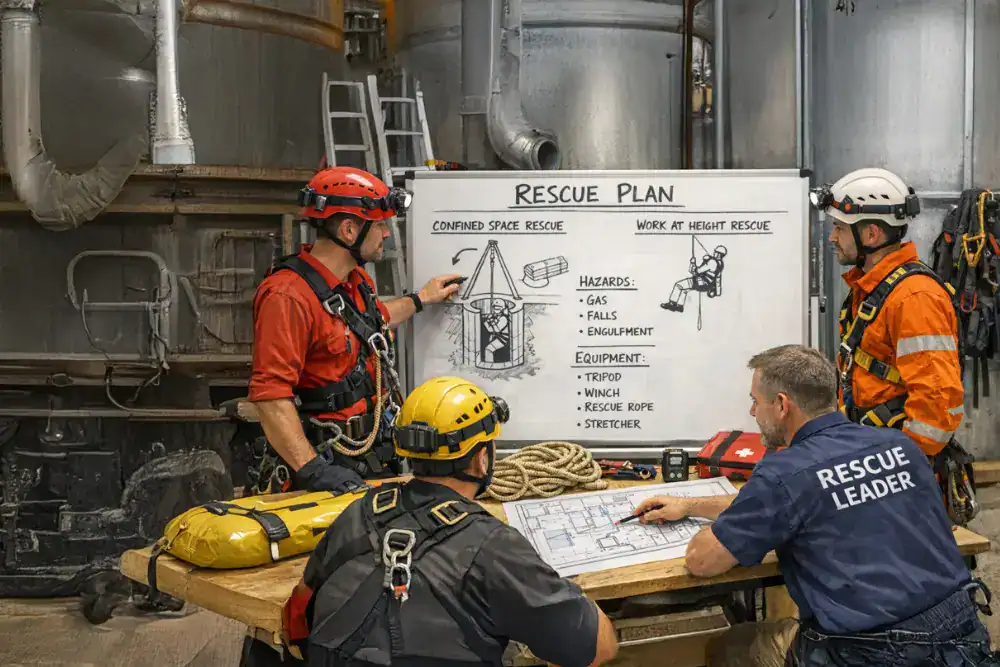
A suspended worker can lose consciousness within minutes. Suspension trauma develops quickly and can become fatal before emergency services arrive. Yet many site rescue plans fail at the operational level — not because equipment is absent, but because operatives were never properly briefed.
This IIRSM-approved Work at Height Rescue Training for Operatives gives organisations a structured way to brief site operatives before work begins. It builds a working understanding of rescue plans, rescue equipment and the steps operatives must take when someone falls or becomes suspended. Accredited and designed for online delivery.
This course is designed for anyone who works at height or supports work-at-height activities where a site rescue plan is in place. It is relevant across construction, maintenance, telecoms, utilities and any setting where operatives work with fall arrest equipment.
Work at height and general site operatives
Construction, roofing and steelwork operatives
Maintenance operatives and technicians
MEWP, cherry picker and access platform operators
Telecoms, mast and tower operatives
Warehouse and racking operatives
In-house rescue team members and nominated rescuers
Note: This course provides awareness-level training that supports — but does not replace — practical, hands-on rescue competence training.
Course Content
The Work at Height Rescue Training for Operatives course covers the following modules:
Operatives understand what work at height rescue involves, why relying on emergency services alone is not an acceptable rescue plan, and how the most common rescue situations arise on site.
Operatives know what the Work at Height Regulations 2005 require from employers and employees, including the hierarchy of controls and the duty to plan rescue arrangements before work starts.
Operatives know what a rescue plan must include, what their specific role within it is, and what they must be briefed on before work begins.
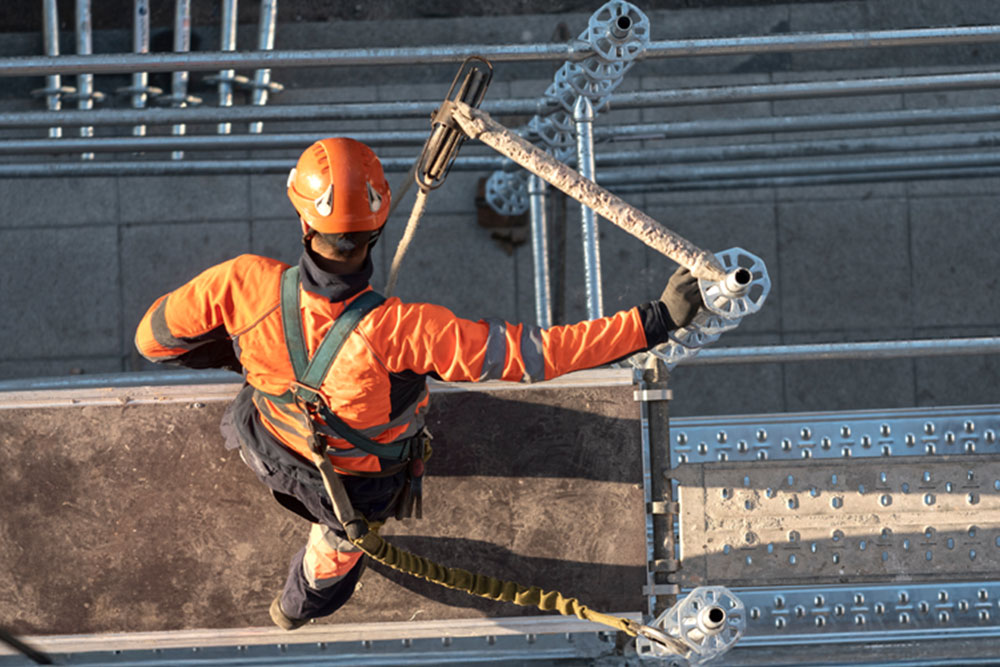
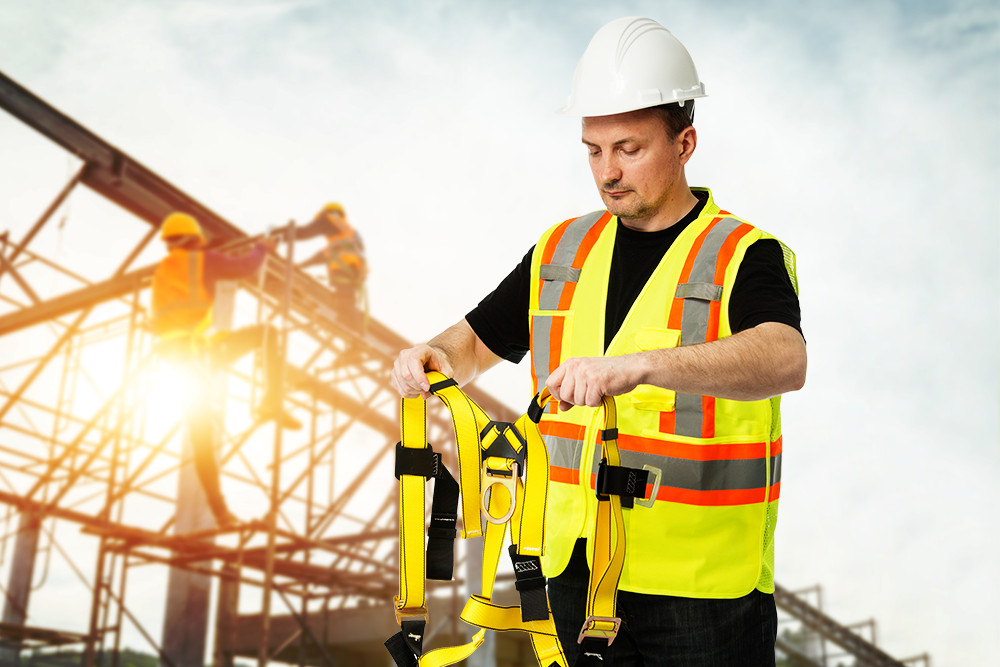
Operatives can identify common rescue equipment including harnesses, descender devices, raising and lowering systems, winches, hauling systems, casualty stretchers and pick-off kits.
Operatives understand the general steps for carrying out a rescue: assessing the situation, confirming a rescue path, identifying hazards, securing the anchor point, managing the casualty and completing the rescue safely.
Operatives know what must happen after a rescue, including immediate casualty care, equipment quarantine, team debrief and formal incident reporting.
Operatives can carry out pre-use checks for fall arrest and restraint equipment, understand why rescue devices must not be adjusted without specialist training, and know the rules for storage and inspection.
Disclaimer: This programme provides knowledge and supporting guidance. Completing it does not by itself make you competent, qualified or authorised for workplace tasks. Follow your employer’s procedures, risk assessments and supervision. Do not carry out practical tasks unsupervised unless your employer has confirmed you are competent and authorised.
What Your Staff Will Learn
By the end of this course, operatives will be able to:
Recognise why work at height rescue planning is a legal requirement and what happens when response is delayed
Identify the key duties of employers and operatives under the Work at Height Regulations 2005
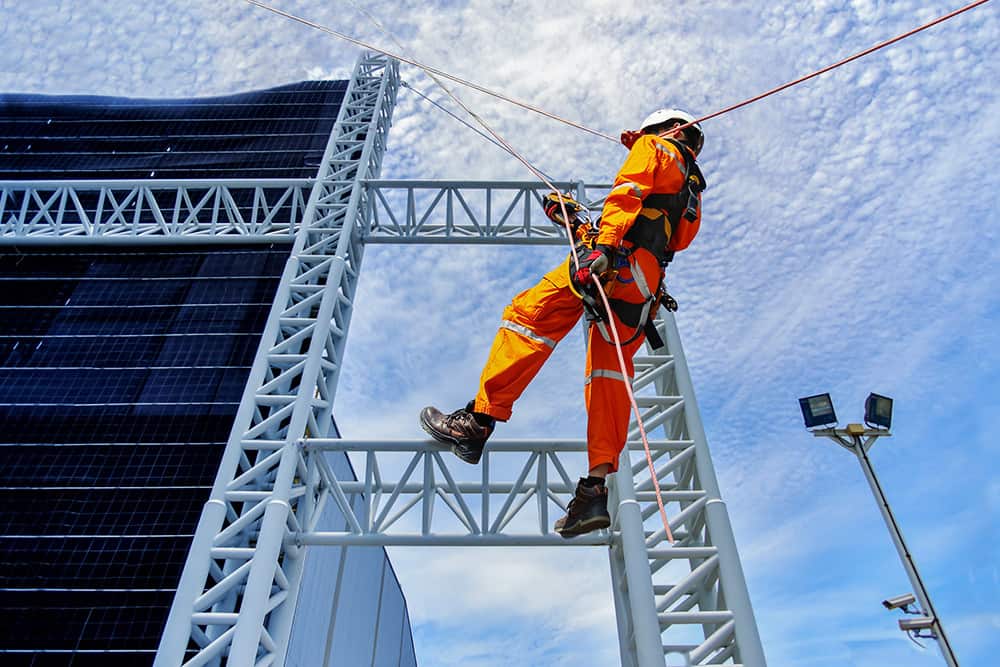
Recognise common work at height rescue scenarios and associated hazards, including suspension trauma
Identify the main types of rescue equipment and understand how each is used on site
Understand the typical steps in a rescue, from assessing the situation to safely managing the casualty
Know what to do if they fall or become suspended in a harness, including self-help options
Know what actions to take if they witness a fall, including raising the alarm and supporting the rescue plan
Recognise the limits of their role and when specialist rescuers or emergency services must take over
Available in 20+ Languages
Course subtitles are available in multiple languages, including:
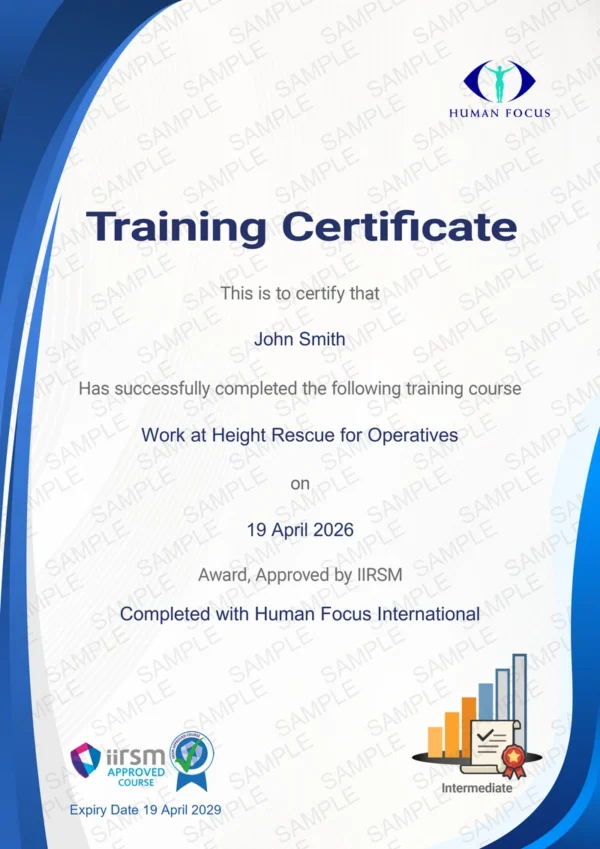
This course is approved by IIRSM – the International Institute of Risk & Safety Management.
The course certificate includes:
User name
Company name
Course name
Completion date
Expiry date
Approval body
An IIRSM-approved course certificate will be available for download and printing instantly upon course completion.
Users must complete a final theory test before earning their certificate.
The end-of-course test is:
Fully online
Multiple choice
A score of 80% is required to pass.
Course attempts
Each licence includes one attempt at the final knowledge assessment.
If a trainee does not pass and wishes to try again, an additional licence is required. For their second attempt, the trainee can retake the assessment without repeating the course content.
Customer Feedback
Why Work at Height Rescue Training Is Important
Falls from height remain the leading cause of fatal injuries at work in the UK. A worker suspended in a harness after a fall faces immediate danger: suspension trauma can cause loss of consciousness within minutes and may become fatal in as little as ten minutes. Many incidents are survivable — but only if rescue is prompt and correctly carried out.
The Work at Height Regulations 2005 require employers to plan rescue arrangements before work begins, provide and maintain suitable equipment, and appoint competent persons to carry out rescues. Operatives must follow site rescue plans, use equipment as instructed, and raise concerns before work starts.
In practice, rescue plans often fail at the operational level despite these clear duties. The most common failure points are:
Operatives assuming that calling 999 constitutes a rescue plan
Rescue equipment stored in locations operatives have not been told about
Alarm procedures and team roles that vary between sites and shifts
Critical actions — locating equipment, raising the alarm, managing the suspended casualty — delayed because nobody was briefed beforehand
This IIRSM-approved training gives organisations a consistent way to brief operatives on site rescue arrangements before work begins. It builds a shared understanding of rescue equipment, suspension trauma and the actions required when a fall occurs — so operatives are prepared before an incident happens.
How This Training Helps Your Organisation
Demonstrates that operatives have received structured rescue briefings, supporting client requirements, audits and principal contractor assessments
Builds genuine rescue awareness across the workforce, moving beyond a default response of calling 999
Supports compliance with the Work at Height Regulations 2005 and related health and safety duties
Reinforces safe systems of work through a clearer understanding of rescue drills, equipment checks and incident reporting
Improves rescue response times by ensuring every operative knows their role before work begins
Give your operatives the awareness they need to respond correctly when a fall occurs.
Enrol your team in the Work at Height Rescue Training for Operatives course today. Help your workforce understand site rescue plans, recognise suspension trauma, and know exactly what is expected of them before, during and after a rescue.