This IIRSM-Approved LOLER Management and Inspection for Duty Holders is a comprehensive training course designed to support those who assist or are being considered by their employer for a role involving LOLER responsibilities. The course provides in-depth guidance on key topics, including LOLER risk assessments, types of lifting equipment, how to carry out LOLER inspections, and the components of a lift plan.
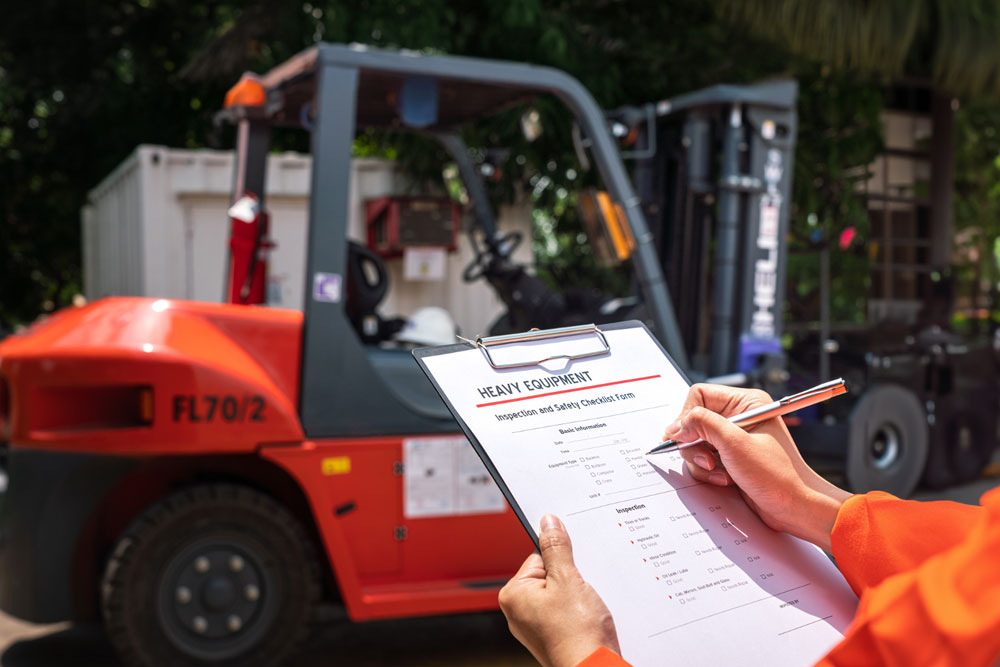
The course comes with two free LOLER Inspection Checklists to guide trainees through the steps of a LOLER inspection.
Please note: Completion of this course does not, on its own, constitute competence under LOLER regulations.
Why LOLER Management and Inspection Training for Duty Holders Is Important
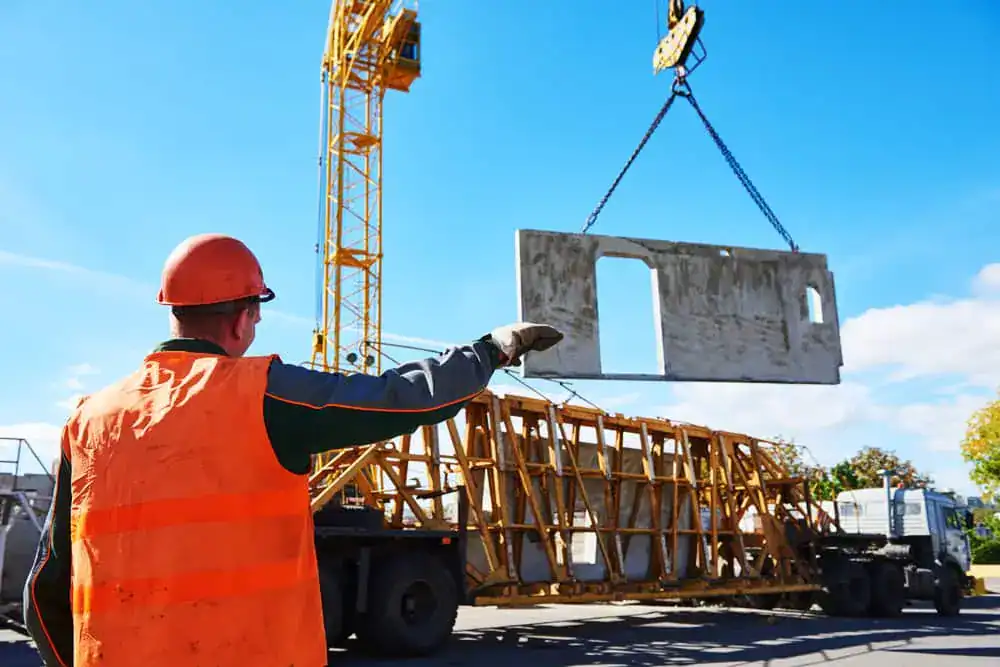
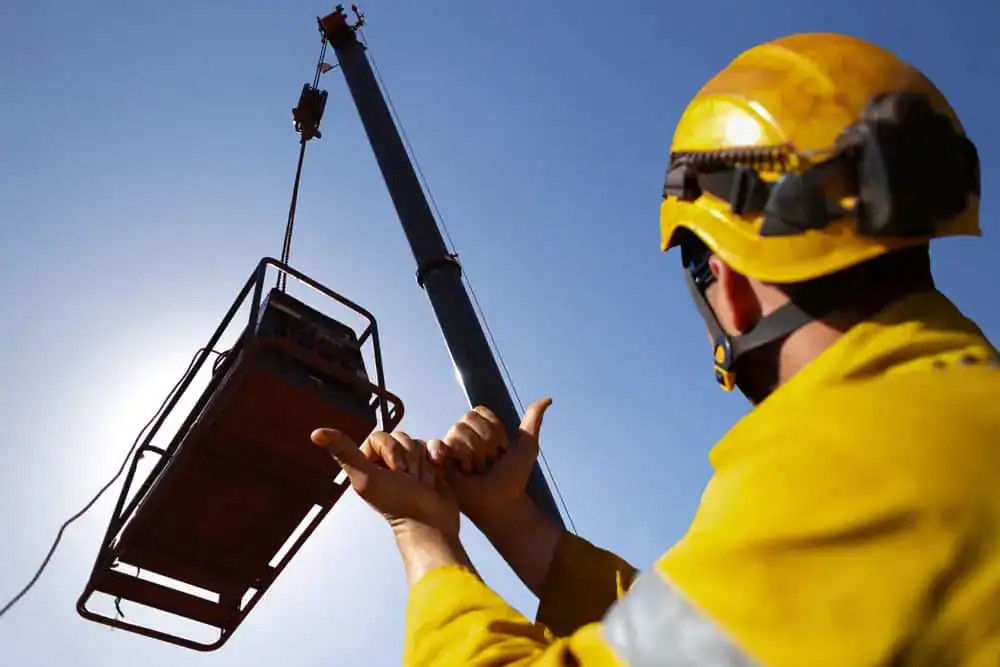
Lifting accidents can be among the highest-consequence incidents in workplaces where lifting equipment is used. When equipment fails under load, it can cause serious injury, fatality or major property damage.
Under the Lifting Operations and Lifting Equipment Regulations 1998 (LOLER), employers, the self-employed and anyone with control over lifting equipment are classed as duty holders. Duty holders must ensure that:
- All lifting equipment is suitable, of adequate strength and stability, and marked with its safe working load
- Every lifting operation is properly planned by a competent person, appropriately supervised and carried out safely
- Lifting equipment is thoroughly examined at statutory intervals — every six months for equipment lifting people and for lifting accessories, every 12 months for other equipment, or per a written scheme of examination
- Reports of Thorough Examination are kept, and defects that are or could become a danger to people are reported and acted on as required
LOLER applies to a wide range of lifting equipment used at work, including cranes, forklifts, hoists, MEWPs, passenger and goods lifts, slings and shackles. In practice, LOLER compliance often breaks down on routine decisions such as:
- Inspections scheduled inconsistently
- Dangerous defects left in service, or non-urgent defects not remedied within the period specified on the report
- Lift plans signed off without proper assessment of load or ground conditions
- Hire arrangements treated as transferring the legal duty when they do not
These errors are often invisible until an incident occurs or an HSE inspector arrives.
Training helps duty holders understand what the regulations require, how to plan and manage lifting operations safely, and how to act when a Report of Thorough Examination identifies a defect.
Key Aspects of This LOLER Training
This online LOLER Inspection training course gives duty holders a practical working knowledge of:
- The scope of LOLER 1998, the equipment it covers and the duties it places on employers, the self-employed and others in control of lifting equipment
- How to risk assess lifting operations and produce a workable lift plan
- The difference between pre-use checks, regular inspections and statutory thorough examinations, including examination intervals and when a written scheme applies
- The role of the competent person and the limits of internal versus independent inspection
- How to read and act on a Report of Thorough Examination
- Record-keeping requirements and what enforcement authorities expect to see
How This Training Helps Your Organisation
This course helps organisations that own, operate or have control over lifting equipment:
- Improve duty holder understanding of LOLER 1998 responsibilities
- Strengthen the consistency of lift planning, pre-use checks and thorough examination scheduling
- Reinforce how Reports of Thorough Examination are reviewed and acted on
- Support compliance with HSE expectations during audits and inspections
- Reduce the risk of incidents involving lifting equipment and accessories
Together, these improvements support more reliable management of lifting risk across sites, equipment types and hire arrangements.
Course Features
- IIRSM-approved course content
- Two free LOLER Inspection Checklists to support on-site inspections
- Online, self-paced learning on desktop, tablet and mobile
- Downloadable digital certificate on completion
- Training records stored automatically for audit and inspection
- Suitable for individual learners or company-wide rollout
Certification
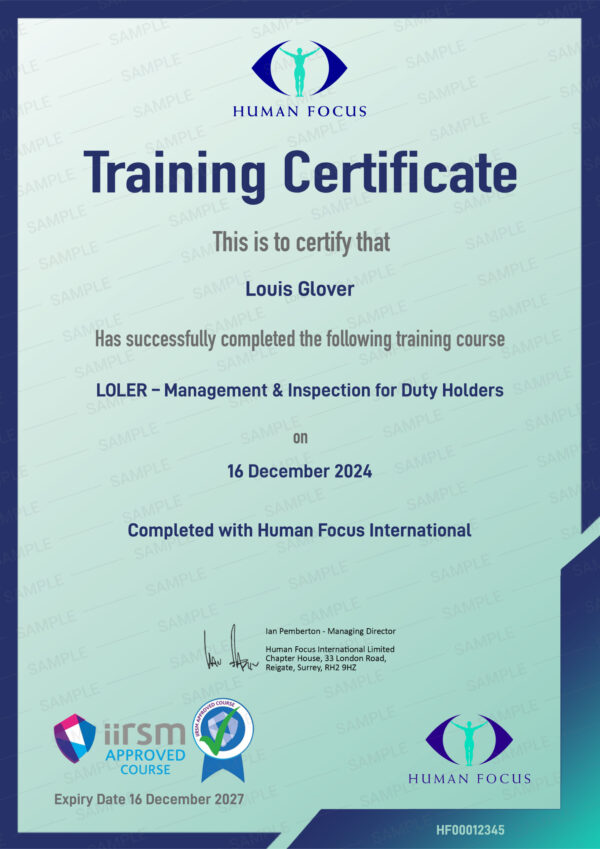
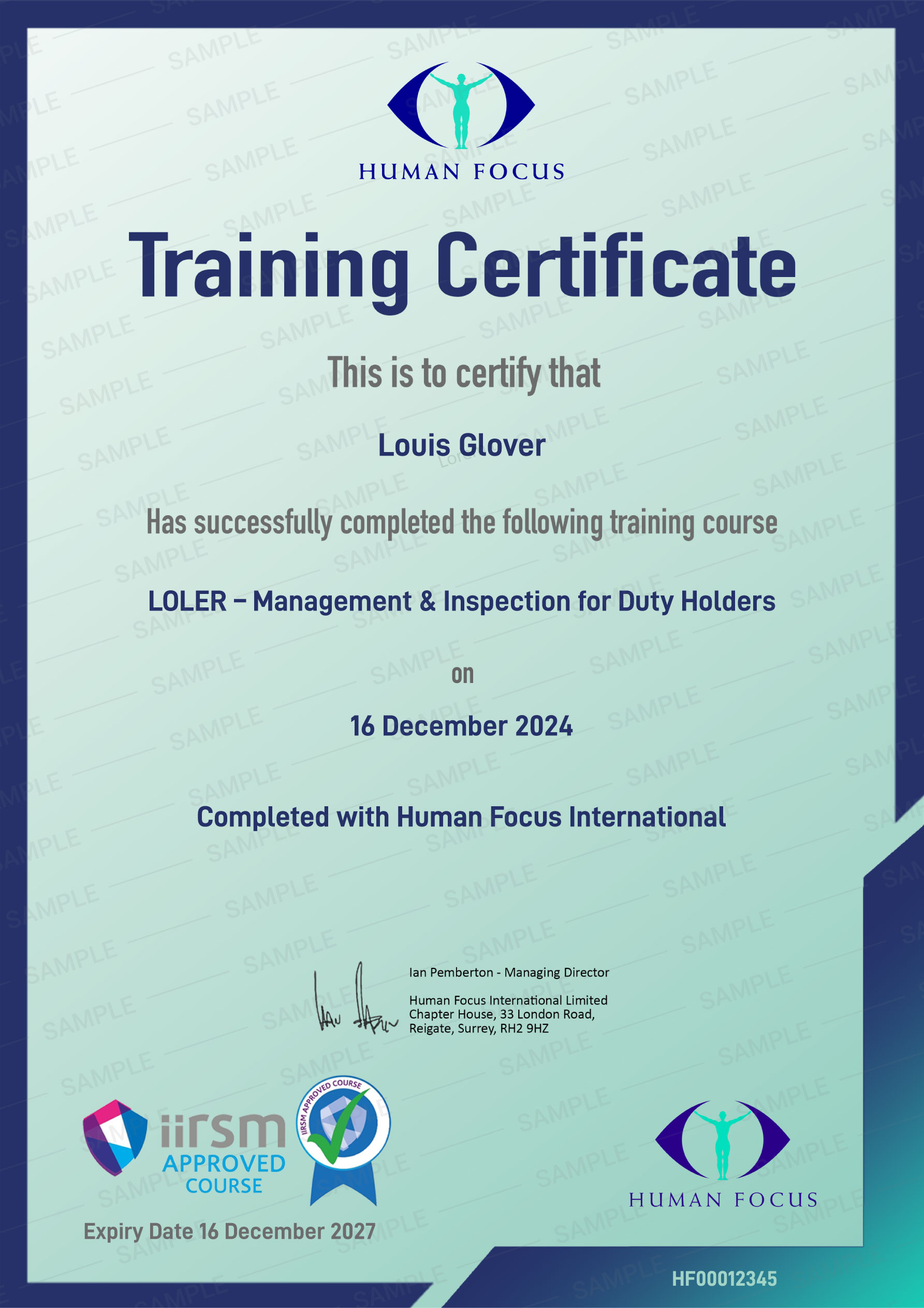
Learners who complete the course and pass the assessment receive a certificate of completion, which can be used to support training records during audits and HSE inspections.
Completion of this knowledge-based course does not, on its own, constitute competence under LOLER — competence is determined by the employer and requires a combination of knowledge, practical experience and demonstrated skill.
Start LOLER Management and Inspection Training Today
Give duty holders, supervisors and inspection personnel a clear working knowledge of what LOLER 1998 requires and how to apply it day-to-day. Training your team is a practical way to strengthen inspection routines, reduce the risk of avoidable incidents and support consistent compliance.