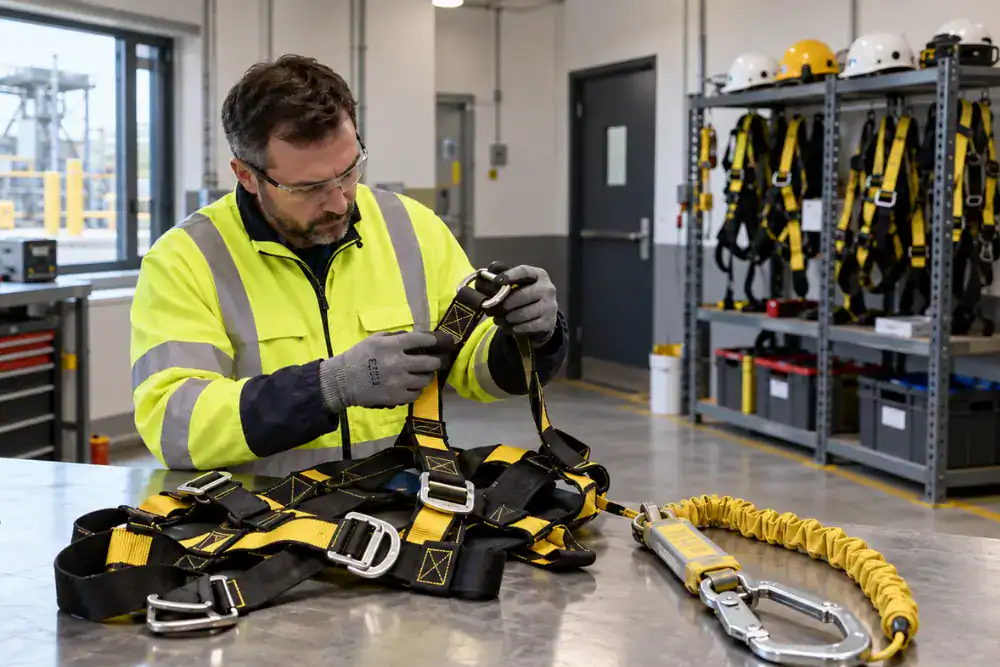
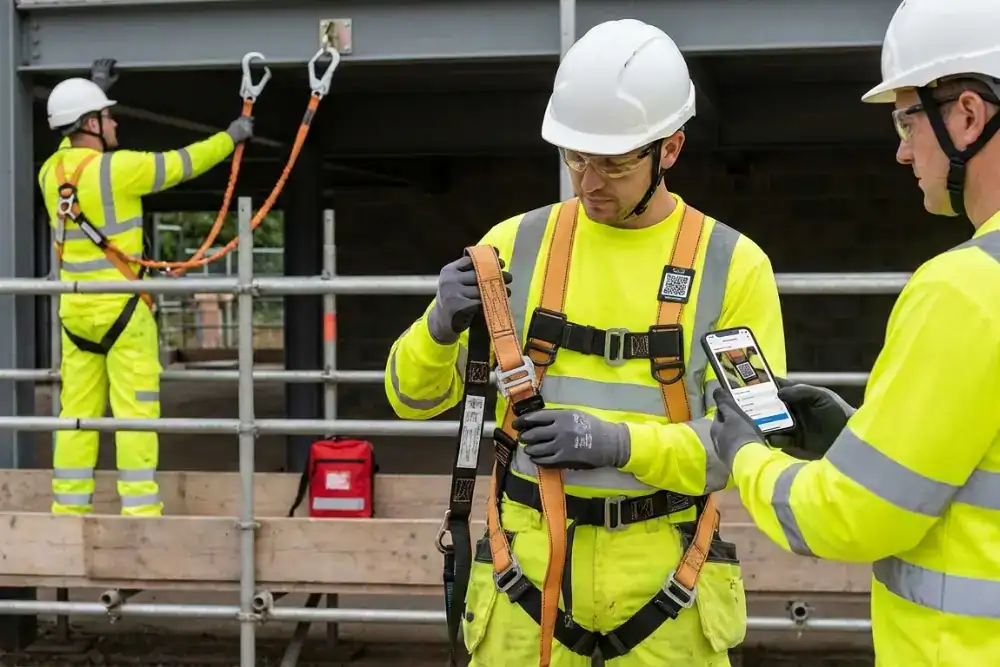
In short: In Great Britain, the Provision and Use of Work Equipment Regulations 1998 (PUWER) can apply to a safety harness as work equipment, but they do not provide the…
In short: A scaffolding inspection checklist is the structured set of checks a competent person works through to confirm a scaffold is safe to use — and to record that…
In short: The employer or organisation controlling the use of a hired ladder is normally responsible for ensuring it is suitable and safe, even though it does not own the…
In short: Working near a fragile roof means treating every roof surface as unable to safely support a person’s weight until a competent person proves otherwise. Falls through fragile materials,…
According to HSE’s provisional 2024/25 RIDDOR data for Great Britain, 124 workers were killed in work-related accidents, with falls from height accounting for 35 of these deaths. Although not every…
Falls from height are the most common kind of fatal accident in the UK, accounting for over a quarter of fatal injuries every year. Where work at height occurs, it…
Ladder inspection sounds straightforward, but making it work reliably is not. Organisations have to decide how often ladders should be inspected, who is competent to do it, and how inspection…
Most working at height incidents do not occur because organisations failed to complete a risk assessment. They occur because the conditions assumed during planning no longer match those workers face…
Falls from height remain one of the most persistent and serious risks in industry. Fall-arrest harnesses are a key safety control — but unless they are used, and used correctly,…
Typical hazards include: Unprotected edges or openings Fragile, sloping or deteriorated surfaces Incorrect or unsafe ladder use Improvised or modified access methods Falling tools or materials Weather exposure, including wind,…
×
Behavioural Safety Programmes
Has Yours Reached Its Limit?
How a human factors-led approach can extend your view of risk and unlock the next step-change in safety performance
📅 14th October 2026⏰ 2PM BST
All attendees will receive a certificate from Human Focus.