Administrators can now select multiple Site Locations and Departments when downloading certificates in bulk, alongside the existing User Group selection. Filters can be used individually or together to download certificates for the relevant users.
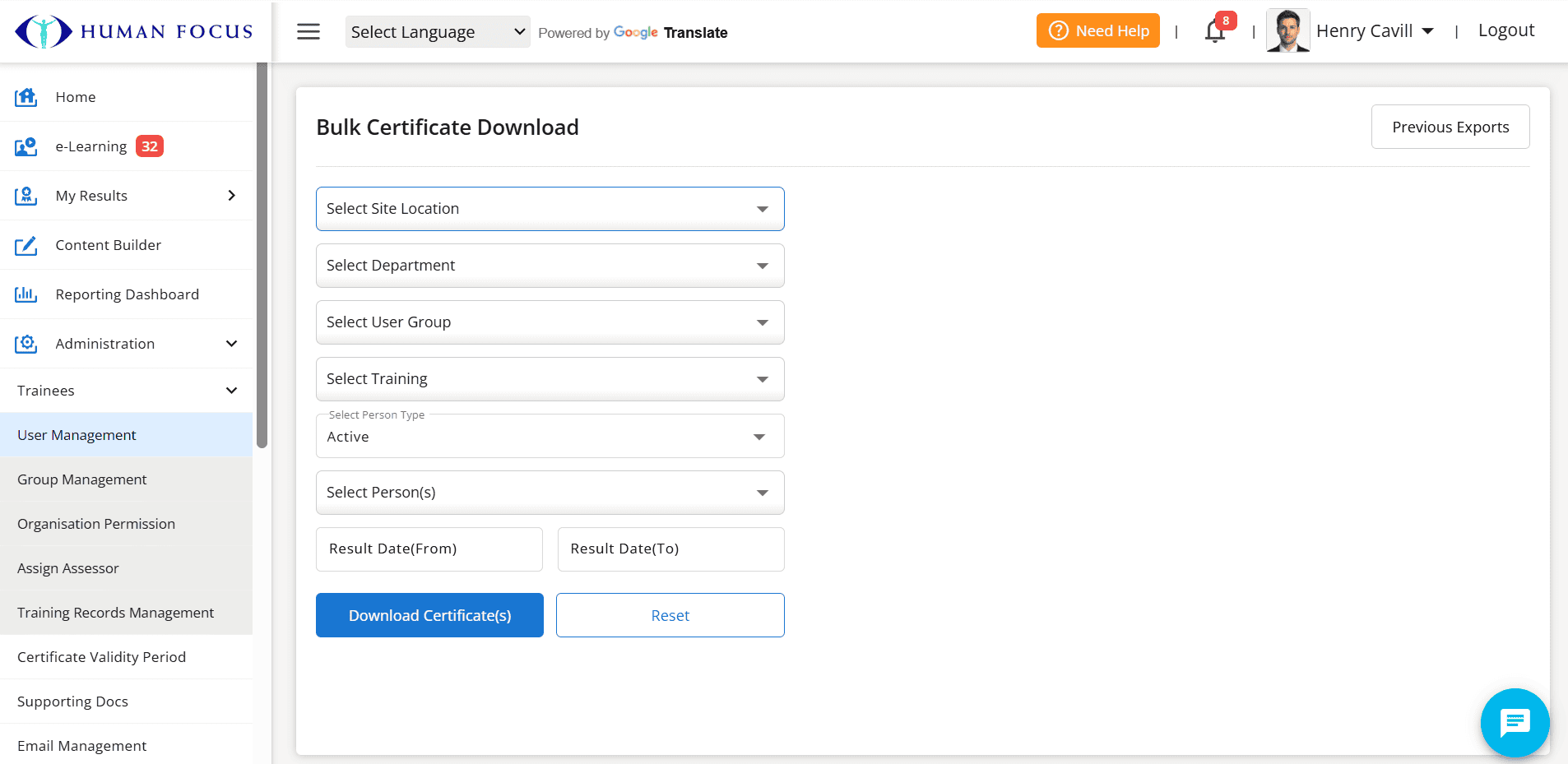
Administrators can now select multiple Site Locations and Departments when downloading certificates in bulk, alongside the existing User Group selection. Filters can be used individually or together to download certificates for the relevant users.
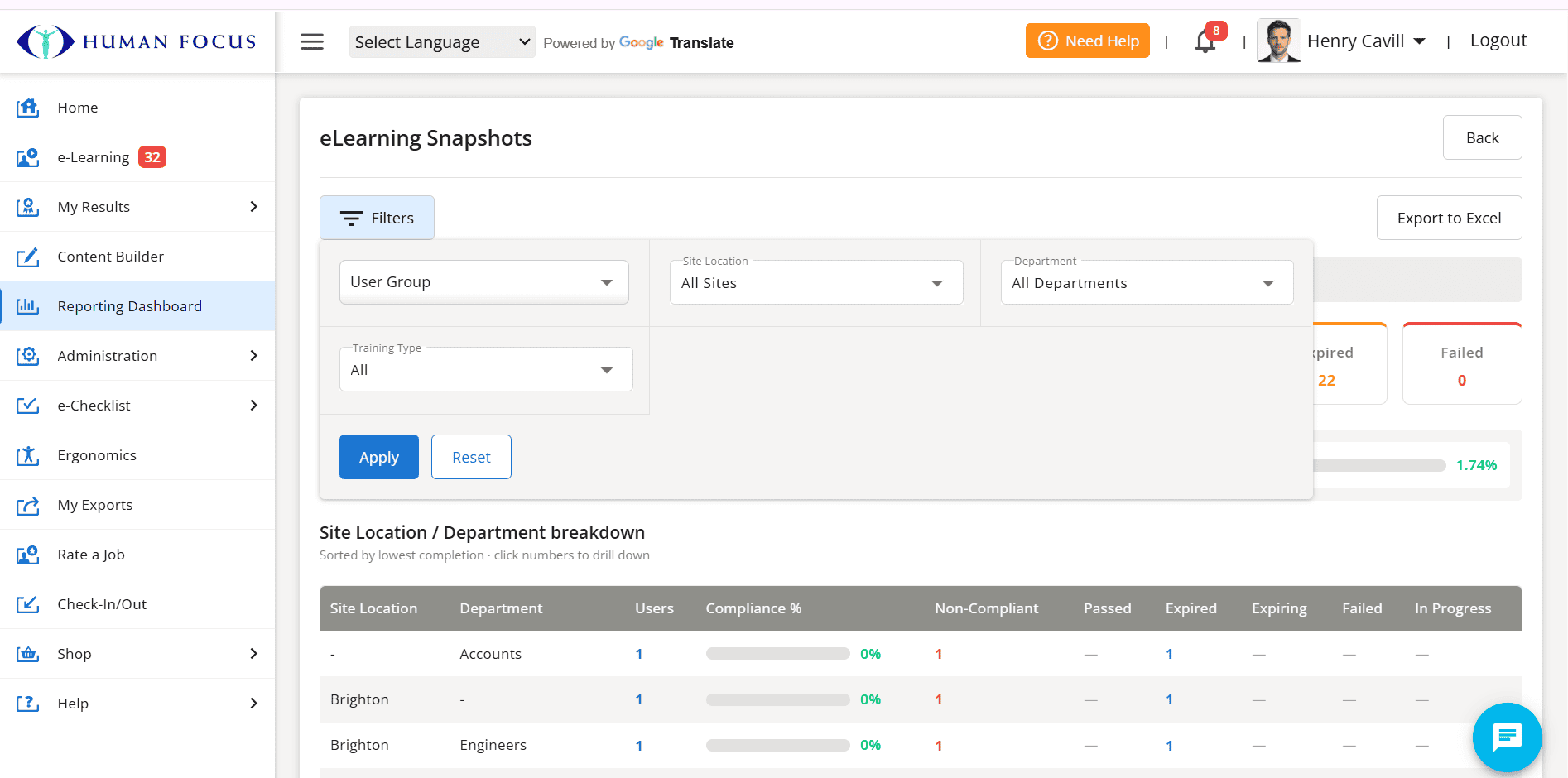
Managers can now filter the e-Learning Snapshot Report by User Group to view training data for users in a specific group. The new filter works alongside existing report filters, with all current functionality unchanged.
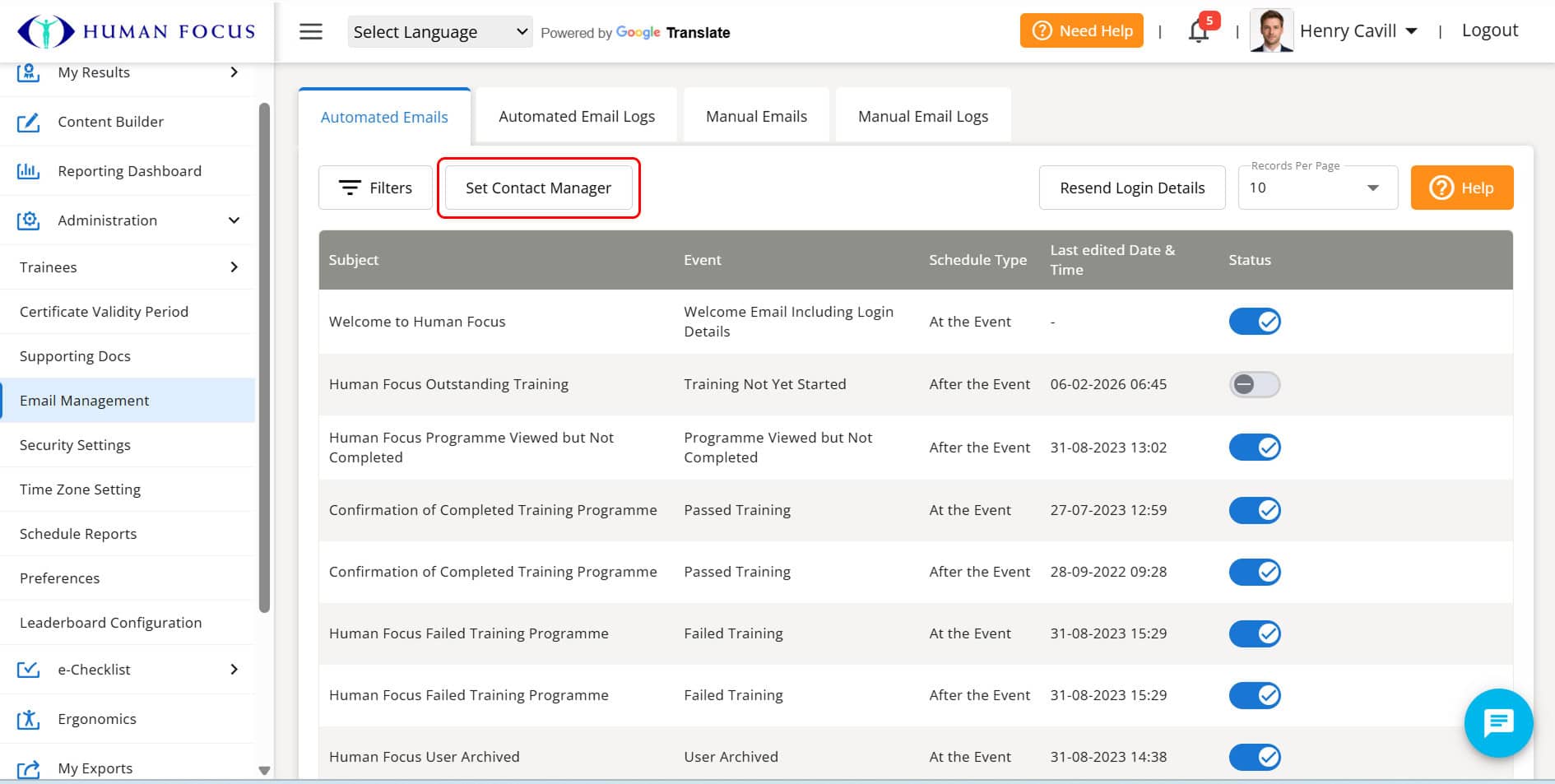
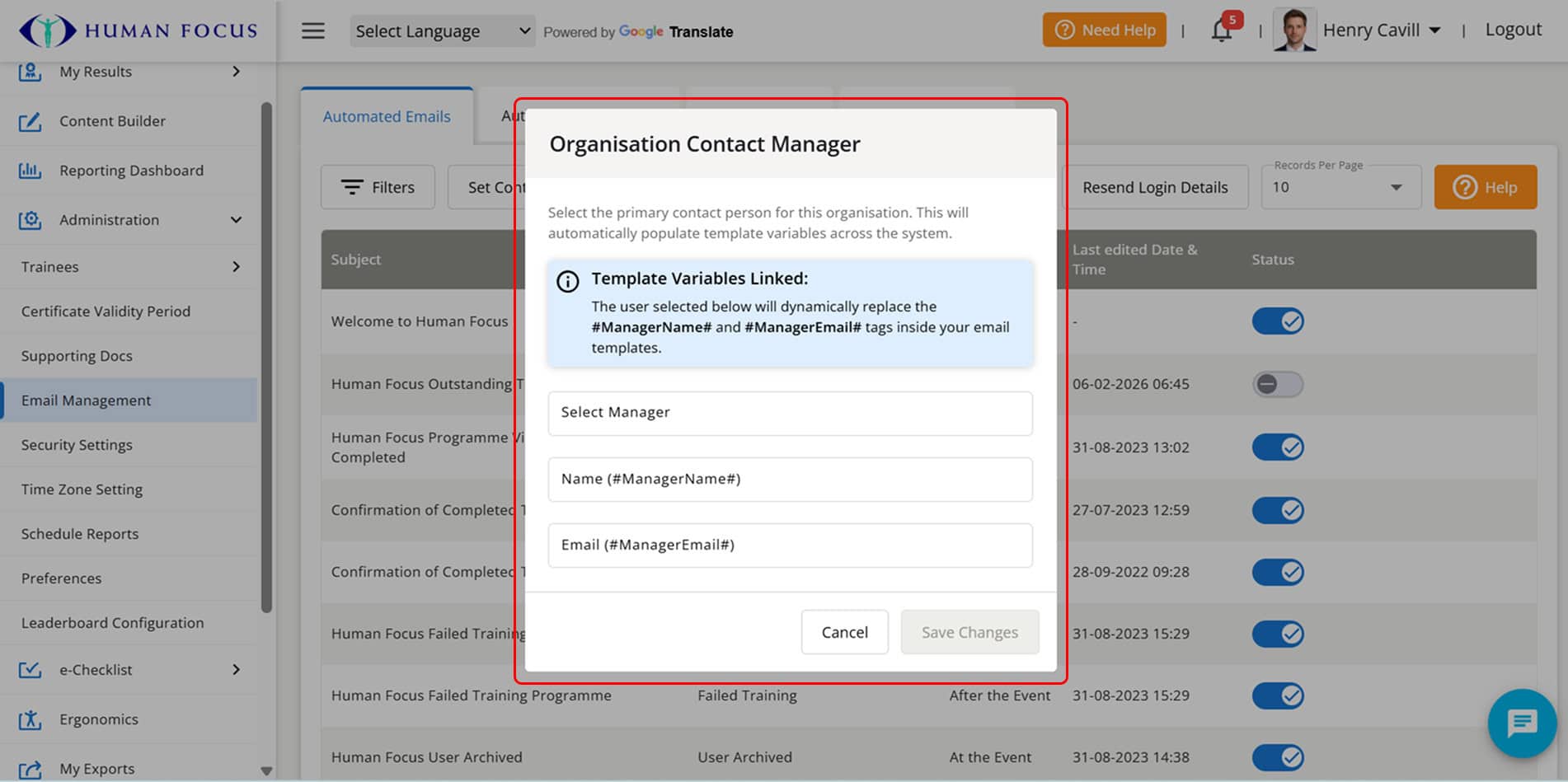
In Email Management, organisations can now select a specific manager user for their email templates. That manager’s contact details will be included in the automated emails sent from those templates, so recipients know exactly who to contact.
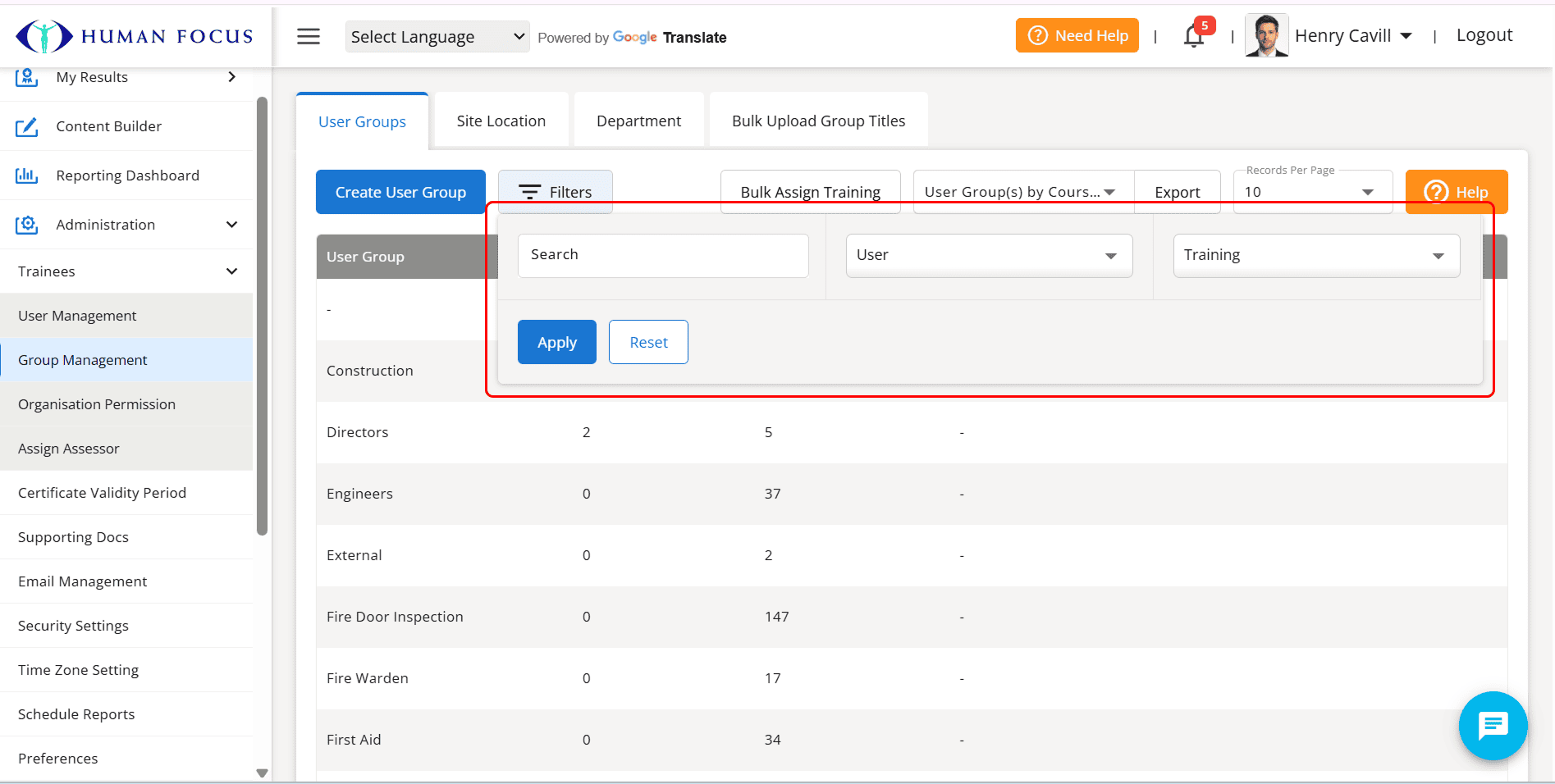
The User Groups page now includes new User and Training filters. Administrators can quickly see which user groups a particular user belongs to, which user groups are linked to a particular training, or both. You no longer need to download a report and filter it manually to find this information.
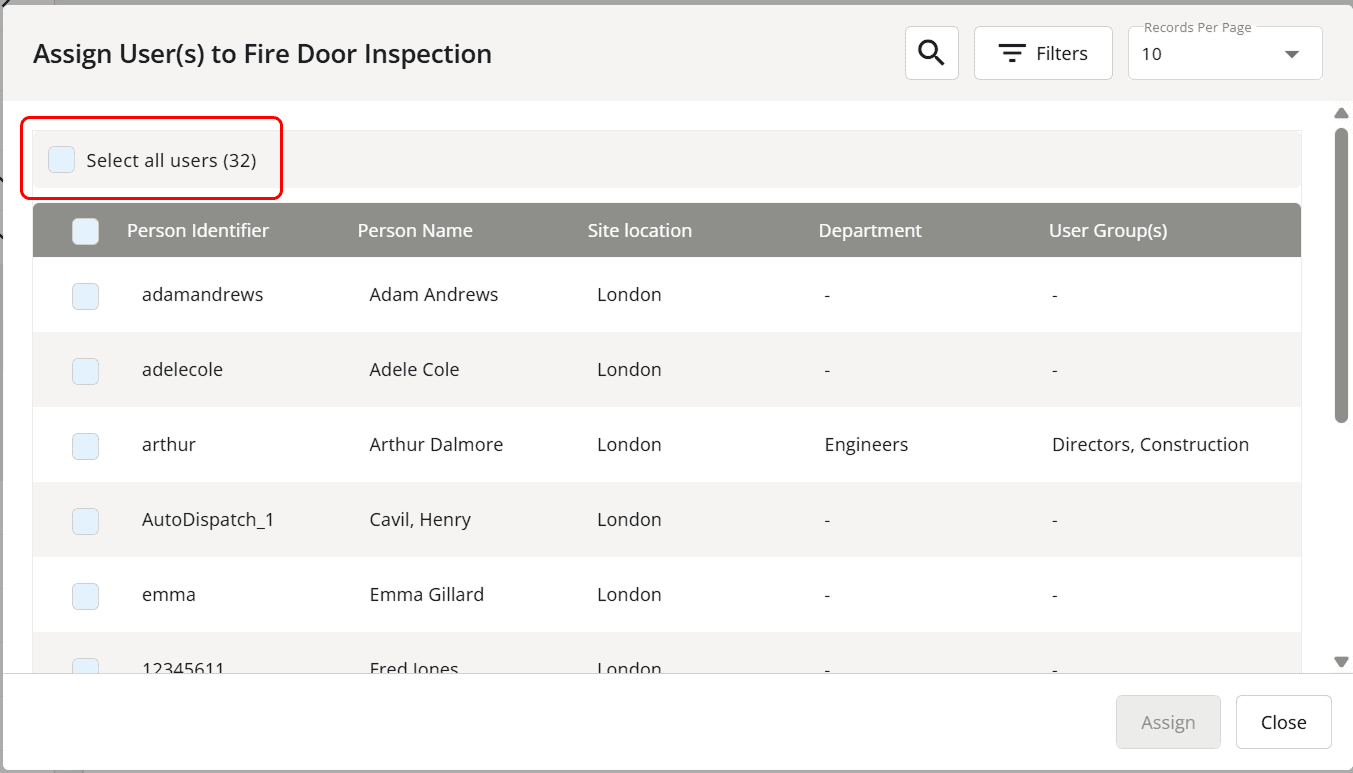
Adding lots of users to a user group is now much quicker. We’ve added a Select All checkbox to the user selection, so administrators can select all active users in one click and assign them to a user group together. This saves time when managing large groups.
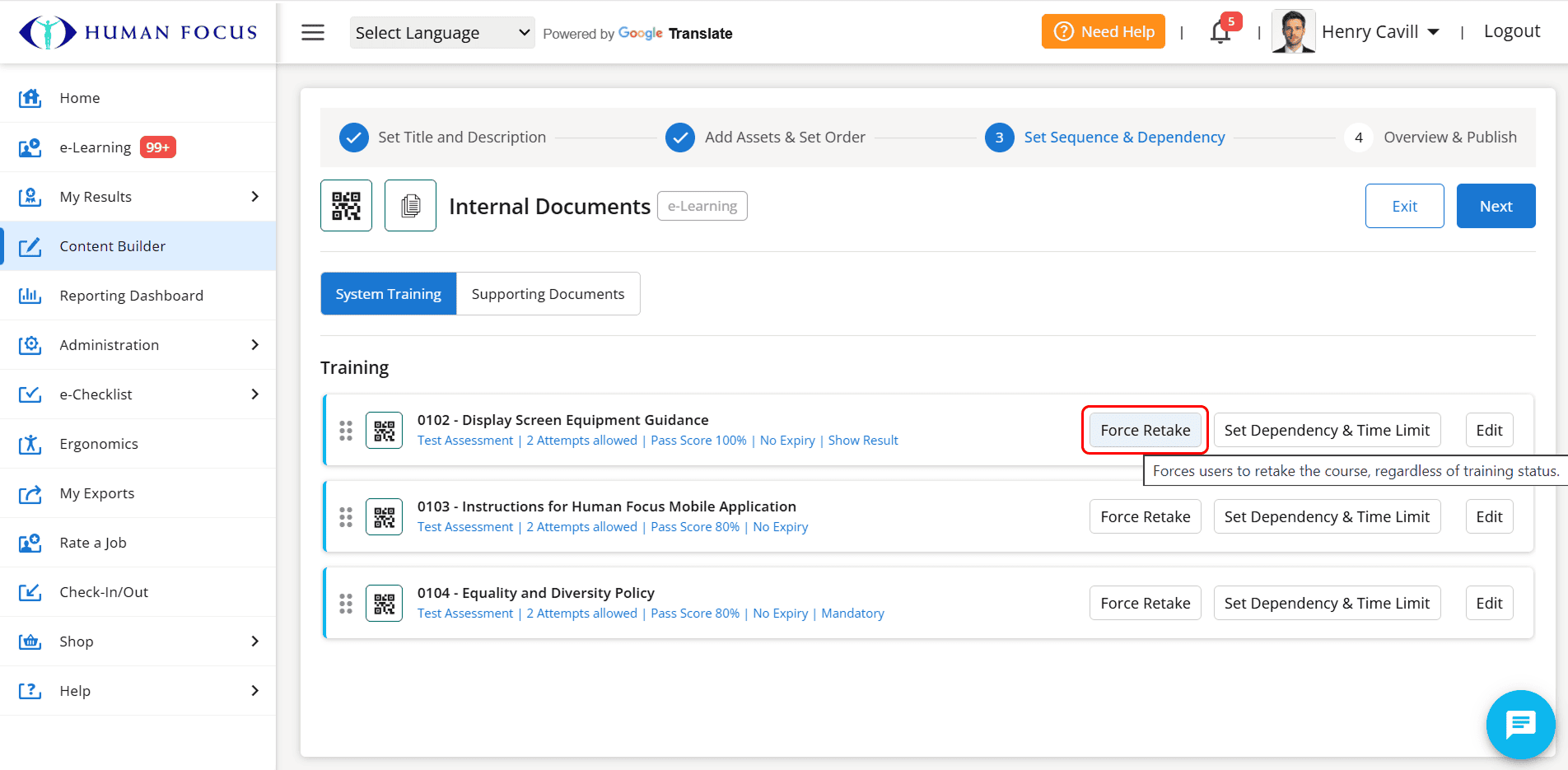
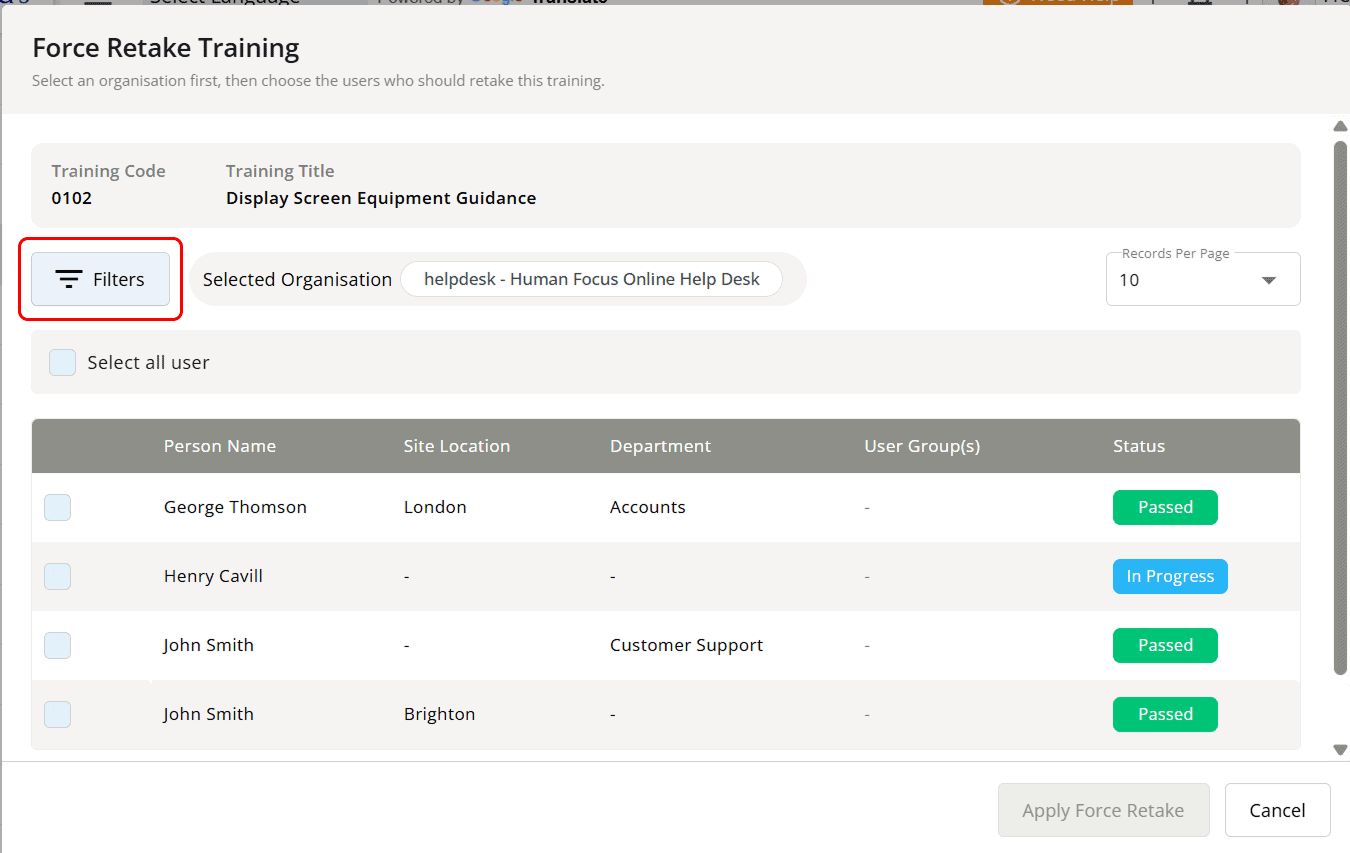
Managers now have more control when asking users to retake training. You can apply a retake to a single user or to all users shown on the screen at once. To narrow down the list first, you can filter by Search, Site Location, Department, User Group or Training Status, so you can target exactly the right people before applying the retake.
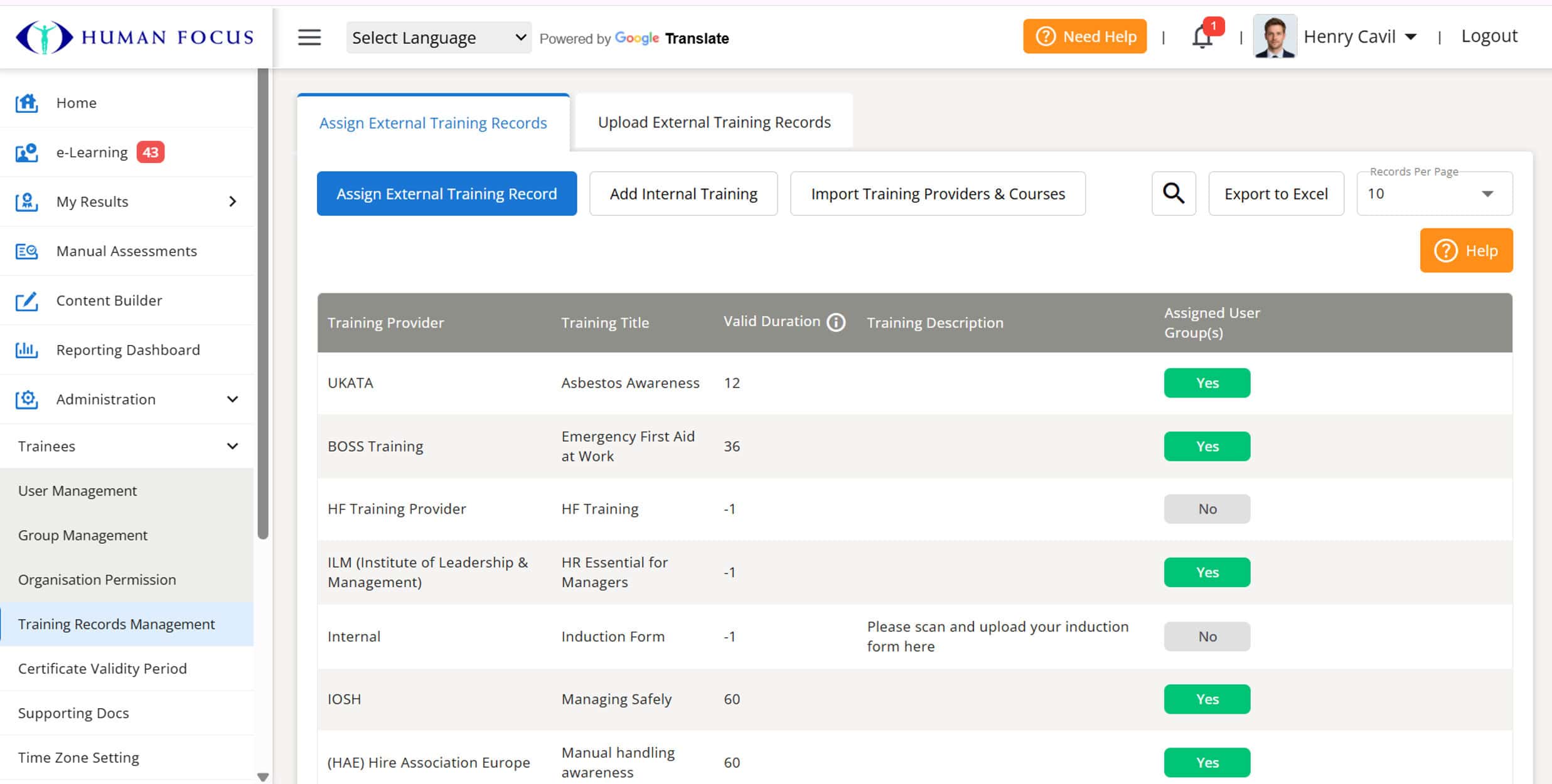
You can now bulk upload Training Providers and Training Titles using an Excel file, making it quicker and easier to add multiple records at once. The system also identifies existing records and provides a clear upload summary showing added records, duplicates and any validation errors.
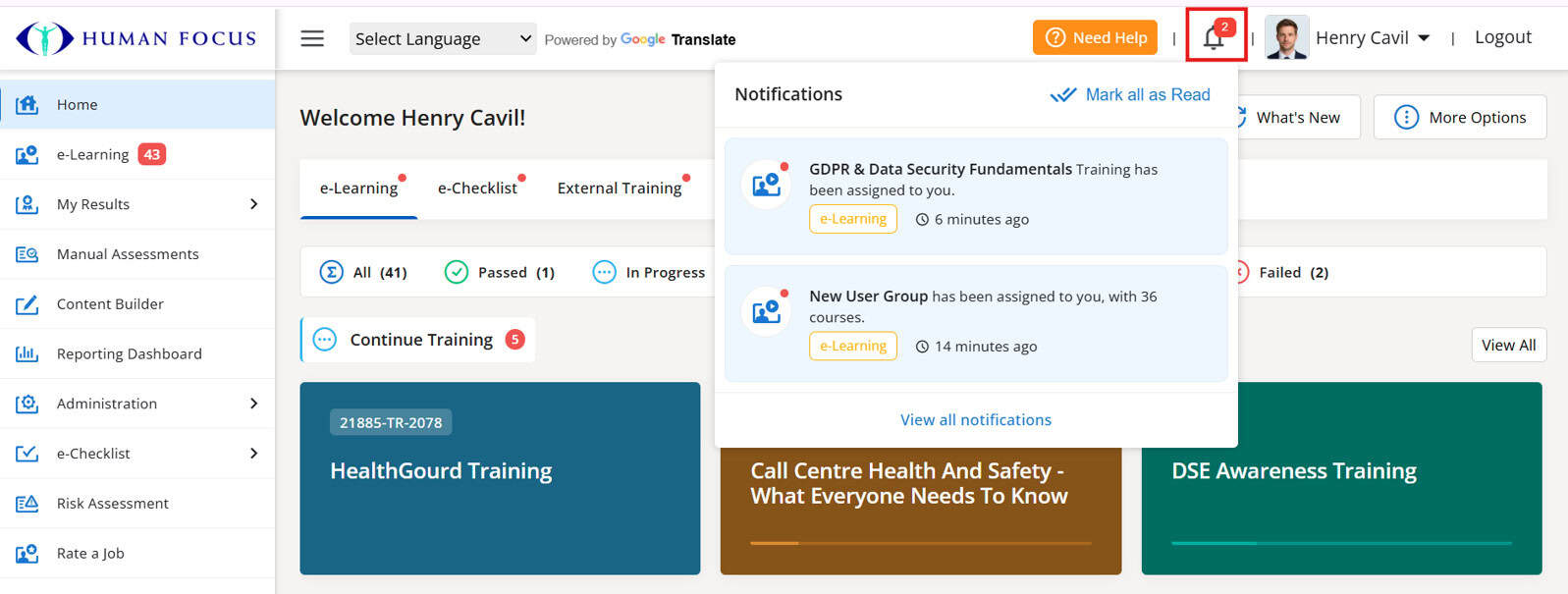
The Notifications page has been updated to make it easier to view and manage e-Learning and e-Checklist notifications. You can now view all notifications, search for specific notifications, and mark or clear notifications individually or in bu
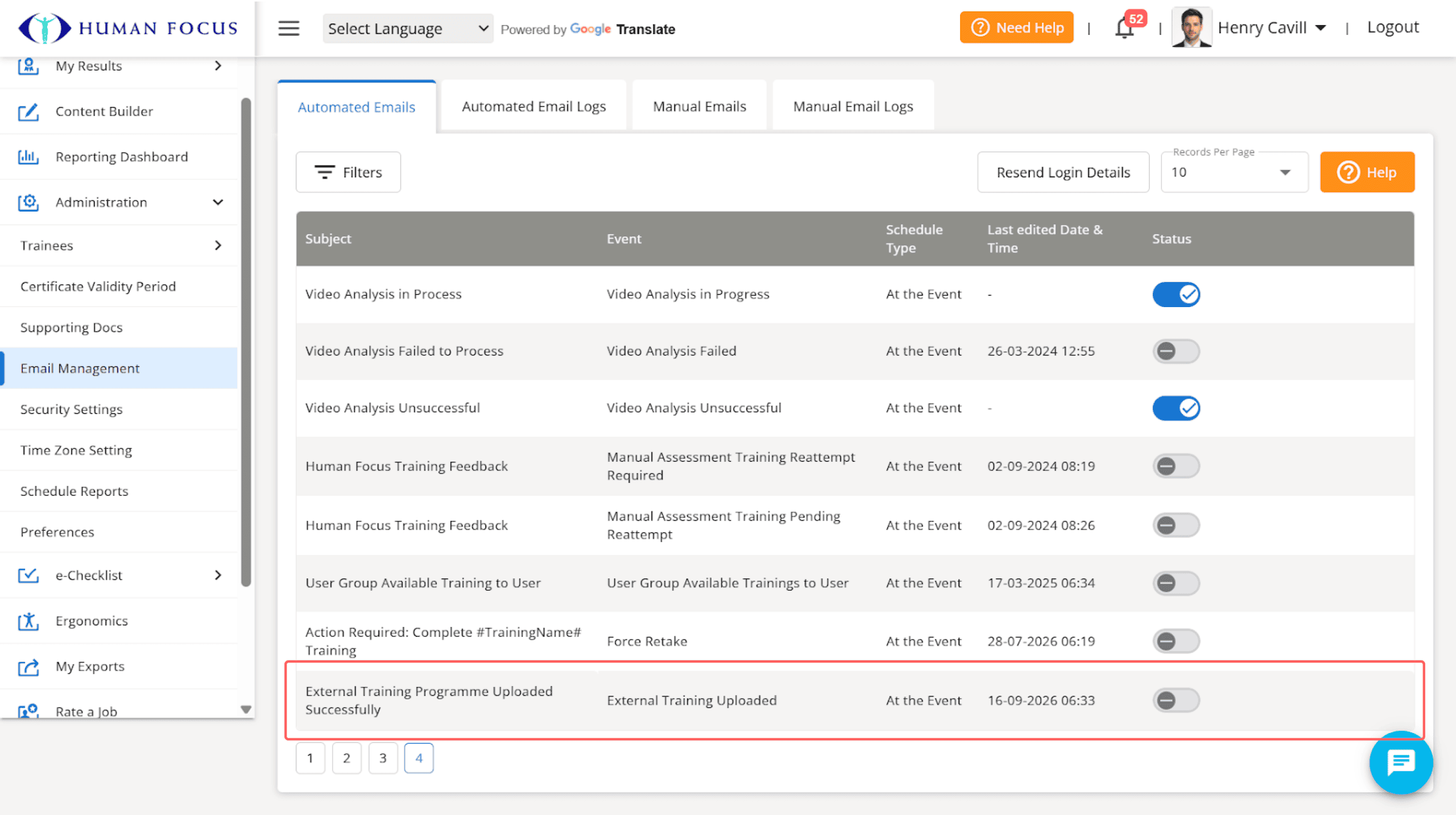
Email notifications can now be enabled for successful External Training certificate uploads.
Once a certificate has been uploaded successfully, both the trainee and their manager can receive an email confirmation.
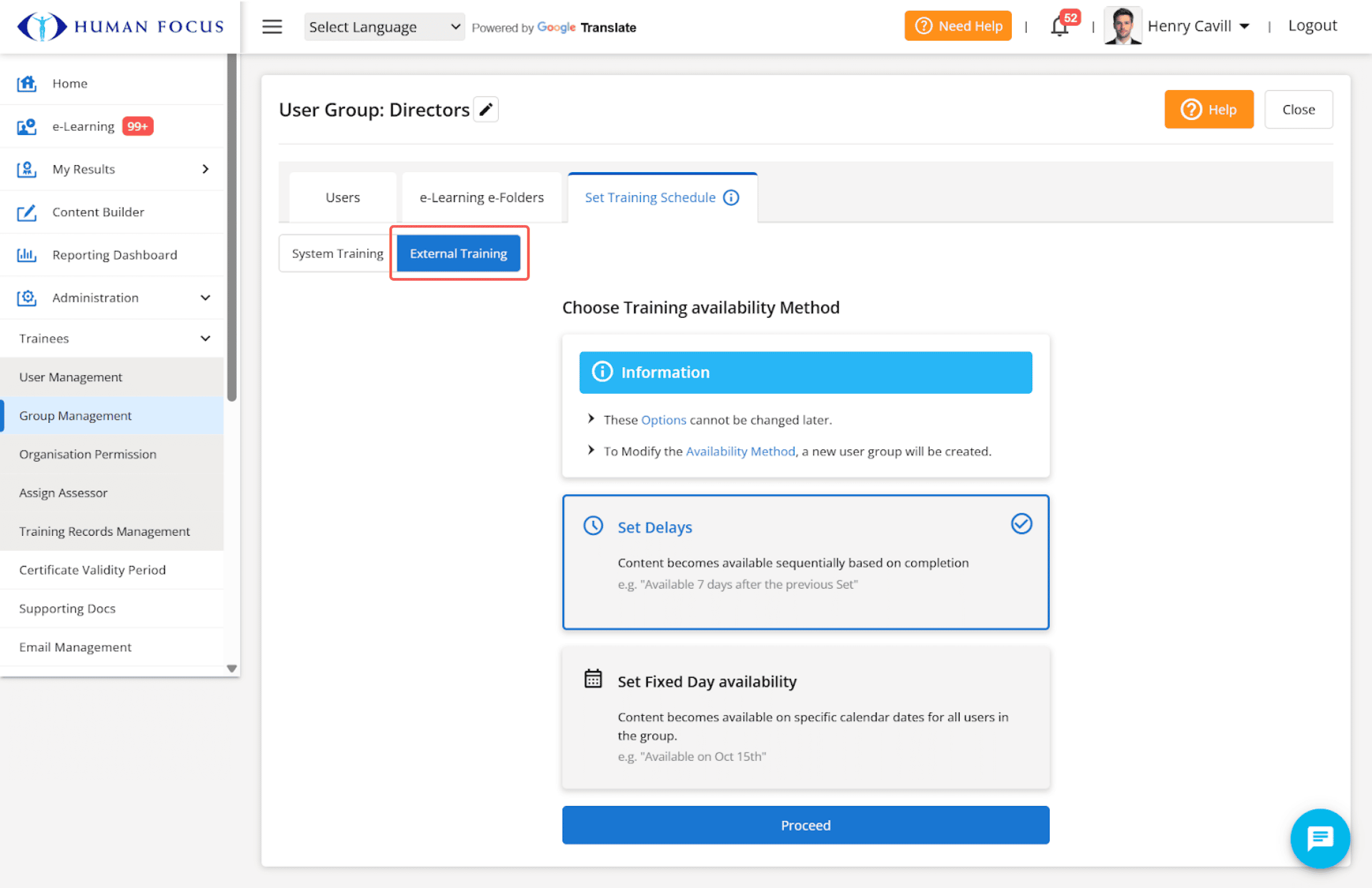
You can now schedule External Training using User Group Scheduling.
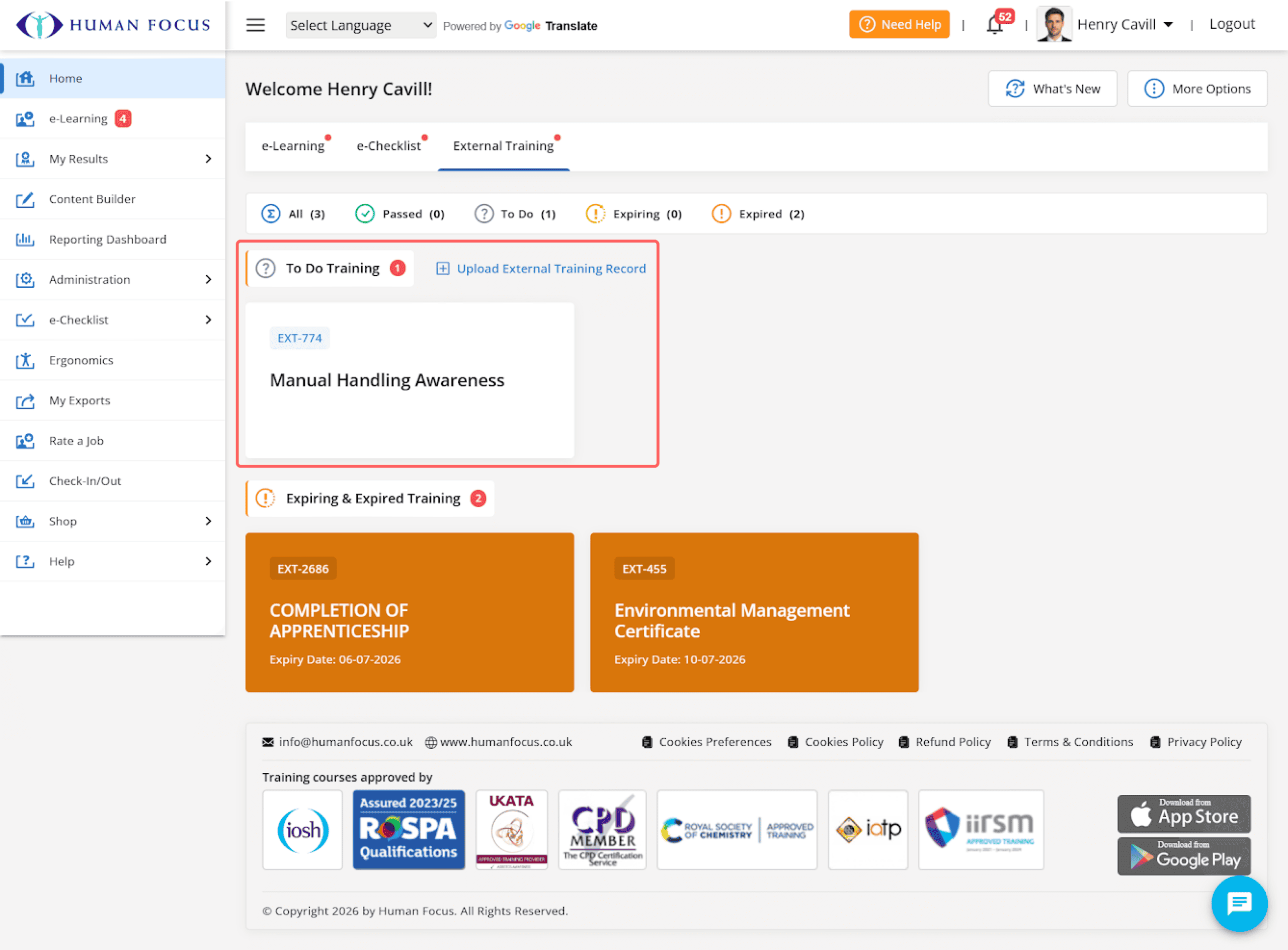
Once the scheduled date arrives, the training will appear in the trainee’s To Do list under the External Training tab on the home page, making it easier to keep track of upcoming training.